Effective communication is essential, especially in environments where clarity can be compromised by external factors like wind. If you’re using intercoms, wind noise can be a significant barrier, making conversations frustrating and unclear. Fortunately, with strategic microphone placement, you can dramatically reduce wind noise and enhance audio quality.
Microphone Orientation
First and foremost, consider the orientation of your intercom’s microphone. Positioning the mic away from direct wind exposure is crucial. If you can place the microphone on the leeward side of the device, you’ll create a natural barrier against gusts. This simple adjustment can greatly improve sound clarity, allowing your team to communicate without unnecessary distractions.
Use of Windshields
Using windshields or pop filters specifically designed for intercoms can also be a game-changer. These accessories are engineered to minimize wind interference, ensuring that only your voice comes through loud and clear. Investing in quality windshields not only enhances audio fidelity but also extends the lifespan of your equipment by protecting sensitive components from harsh environmental conditions.
Microphone Height
Moreover, pay attention to the height at which you mount the microphone. Elevating the mic above head level can reduce the impact of wind turbulence caused by body movement. This technique is particularly effective in outdoor settings, where wind patterns can vary significantly. By positioning the microphone at an optimal height, you can ensure that it captures your voice while minimizing noise from the surroundings.
Directional Microphones
Another innovative approach is to utilize directional microphones. These specialized mics are designed to pick up sound from specific angles while rejecting noise from others. By choosing a directional mic and aligning it properly, you can significantly reduce wind noise and focus on clear, concise communication. This technology is especially beneficial in busy environments where multiple sounds compete for attention.
Intercom Setup Design
Lastly, consider the overall design of your intercom setup. Enclosing the microphone in a protective housing can shield it from wind while still allowing sound to pass through. This design not only reduces wind noise but also protects the mic from moisture and debris, ensuring optimal performance over time.
Conclusion
Incorporating these microphone placement tips can transform your intercom experience, making it seamless and effective even in challenging weather conditions. Don’t let wind noise disrupt your communication; take control with strategic mic placement and quality accessories. Elevate your intercom system today, and enjoy crystal-clear conversations no matter where you are.
Related products
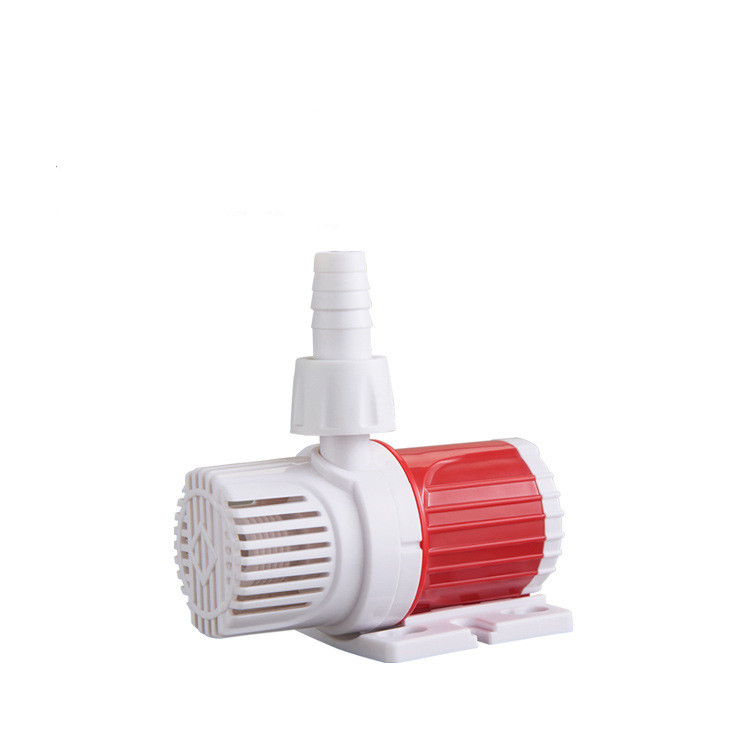
Silent Water Pump Filter for Submersible Pumps – Reduce Noise and Enhance Performance
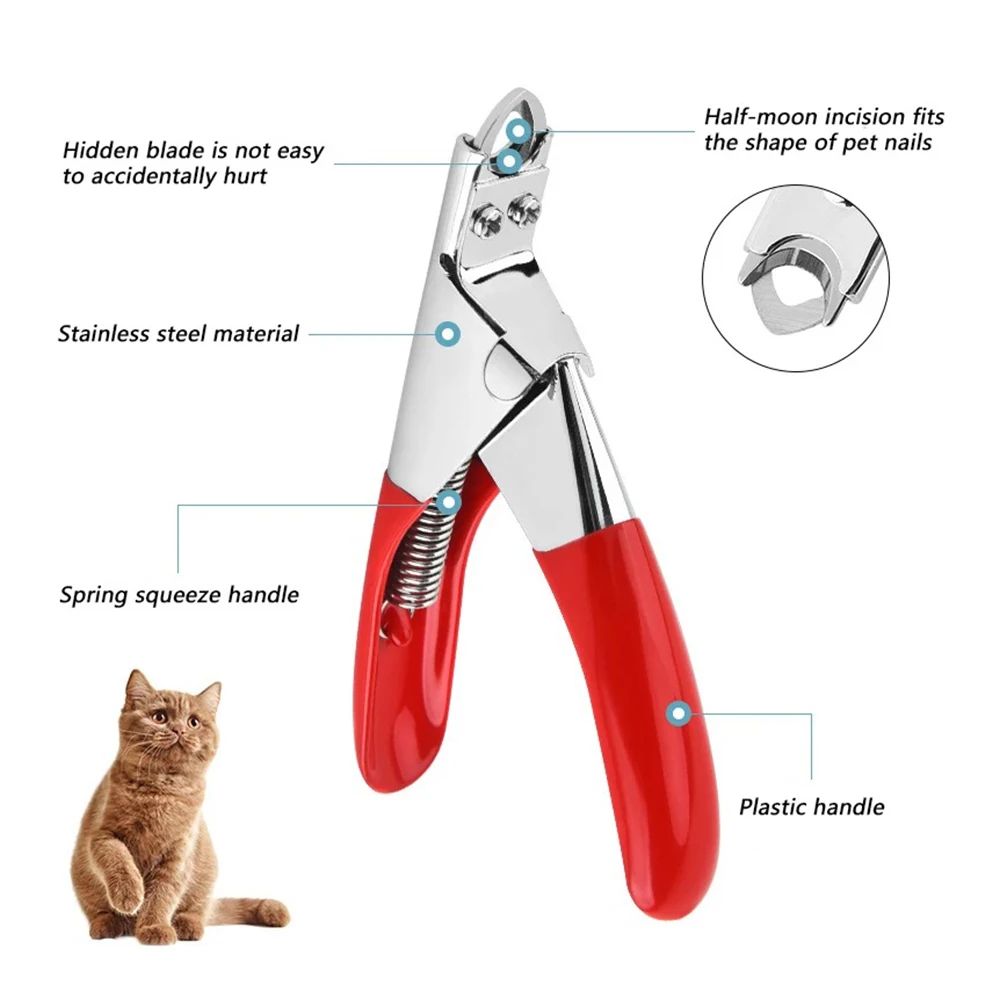
Professional Dog Nail Clippers – Type U Word False Tips, Straight Edge Cutters, and Guillotine Nail Capsule for Perfect Manicure
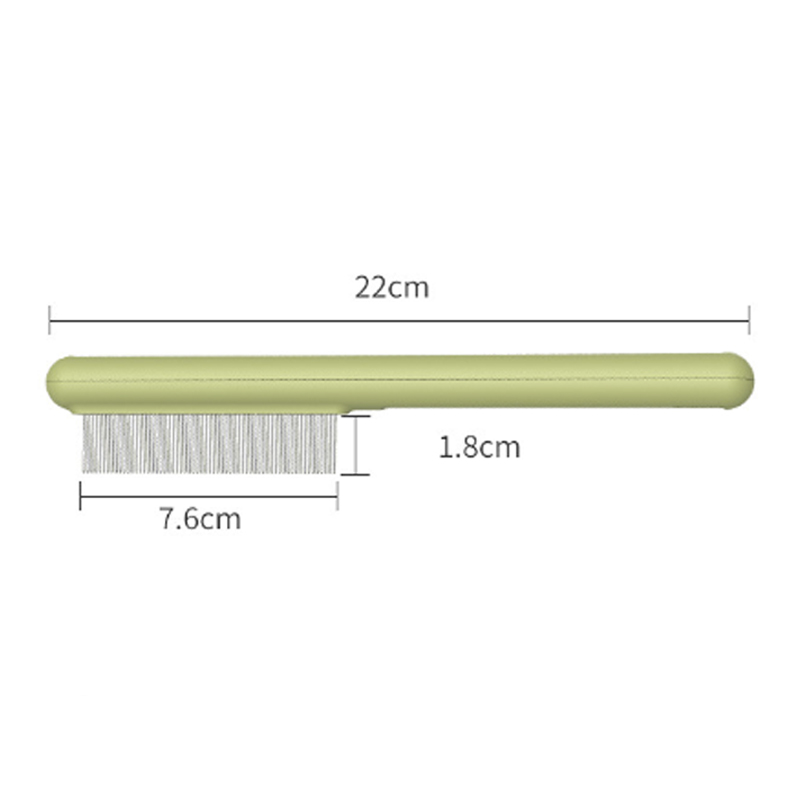
Stainless Steel Cat Comb with Rounded Teeth & Smooth Tips – Pet Massage Tool for Long & Short-Haired Cats, Effectively Removes Loose Hair, Fleas, and Lice