Soldering can seem daunting, but mastering this skill opens up a world of possibilities for DIY enthusiasts and professionals alike. Achieving clean, reliable connections is essential, yet many beginners stumble over common pitfalls. Understanding these mistakes can save you time, frustration, and wasted materials, leading to polished projects that you can be proud of.
Common Soldering Mistakes
1. Neglecting Wire Preparation
One of the most frequent errors is neglecting to prepare the wires properly. Cleanliness is paramount in soldering; dirty or oxidized surfaces lead to weak joints. Always start by stripping the wire insulation back to expose fresh copper. Use a wire brush or sandpaper to ensure there is no residue. This simple step dramatically enhances the quality of your solder joints, ensuring a strong, conductive connection.
2. Using Too Much Solder
Another common misstep is using too much solder. Beginners often think that more solder means a better connection, but this is a recipe for disaster. Excessive solder can create blobs that are not only unsightly but can also lead to short circuits. Instead, aim for a small amount of solder that perfectly flows around the joint, creating a smooth, shiny finish.
Finding the Right Temperature
The right soldering iron temperature is equally crucial; too hot can burn the wire insulation, while too cool can result in a cold solder joint. Find the sweet spot for your soldering iron, and your results will speak for themselves.
3. Forgetting Proper Technique
Additionally, many novice solderers forget the importance of proper soldering technique. Holding the soldering iron and solder in the right position can make a significant difference. Always heat the joint first, then apply the solder. This allows the solder to flow into the joint, ensuring a secure bond. Practice makes perfect—consider investing in a practice kit to hone your skills before tackling more complex projects.
Investing in Quality Tools
Investing in quality tools cannot be overstated. A good soldering iron, solder, and accessories like flux can make all the difference in achieving clean joints. High-quality solder provides better flow and adhesion, while flux helps to prevent oxidation and improves the solder’s ability to adhere. When you use the right tools, your soldering experience becomes not only easier but also more enjoyable.
Safety Precautions
Finally, don’t overlook safety. Soldering involves hot equipment and potentially harmful fumes. Always work in a well-ventilated area and wear safety goggles to protect your eyes. Taking these precautions ensures that you can focus on perfecting your technique without unnecessary risks.
Conclusion
By avoiding these common mistakes, you will elevate your soldering skills from novice to expert. Clean, professional-looking solder joints are within your reach, and with the right approach, you’ll impress yourself and others with your craftsmanship. Whether you’re repairing electronics or crafting unique projects, mastering the art of soldering will empower you to tackle any challenge with confidence. Embrace the journey, and watch as your skills flourish.
Related products

Pocket Wrong Question Printer: The Ultimate Study Aid for Students’ Mistakes

Protect Your Curling Iron: Essential Tips to Avoid Damage
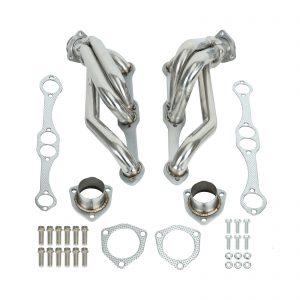
High-Performance Exhaust Header for Chevy Small Block Blazer S10 S15 2WD 283-400 – Shop Now, Avoid Amazon & Temu!