
Air compressor leaks can be a frustrating roadblock, disrupting your workflow and wasting valuable resources. Tackling these leaks promptly not only saves money but also ensures that your equipment operates at peak efficiency. Here’s a concise guide to quickly troubleshoot and stop those pesky leaks in their tracks.
Identify the Source of the Leak
First, identify the source of the leak. Check all fittings, hoses, and connections for signs of wear or damage. Often, leaks occur at weak points, such as joints or fittings that haven’t been properly tightened. A simple visual inspection can save you time and money. If you spot any cracks or frayed edges, consider replacing those components immediately.
Use Soapy Water for Detection
Next, don’t underestimate the power of soapy water. A mixture of dish soap and water can be your best friend in detecting leaks. Apply this solution to the suspected areas and watch for bubbles forming. This method is not only effective but also a quick way to pinpoint the issue without any elaborate tools.
Fixing the Leak
Once you’ve identified the leak, the next step is to fix it. Depending on the severity, you may need to:
- Replace a hose
- Tighten a fitting
- Apply Teflon tape to threaded connections
Investing in high-quality replacement parts ensures longevity and reliability, making your air compressor a trustworthy partner in your projects.
Regular Maintenance
Regular maintenance is the cornerstone of preventing future leaks. Incorporate a routine check-up of your air compressor into your schedule. This includes:
- Draining moisture from the tank
- Lubricating moving parts
- Inspecting hoses and fittings for wear
A well-maintained compressor not only reduces the likelihood of leaks but also enhances overall performance.
Consider Professional Services
For those who want to take the guesswork out of troubleshooting, consider professional services. Experienced technicians can diagnose and repair issues quickly, often before they escalate into larger problems. This proactive approach not only saves you from unexpected downtime but also extends the life of your equipment.
Conclusion
In conclusion, stopping air compressor leaks is not just about fixing a problem; it’s about enhancing efficiency and ensuring reliability. By following these troubleshooting steps, you can maintain your air compressor in top shape, allowing you to focus on what truly matters—getting the job done. Don’t let leaks slow you down; take action today and keep your operations running smoothly!
Related products
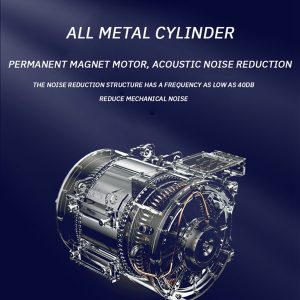
Compact Tire Inflator – Car Air Compressor | Not Available on Temu Platform
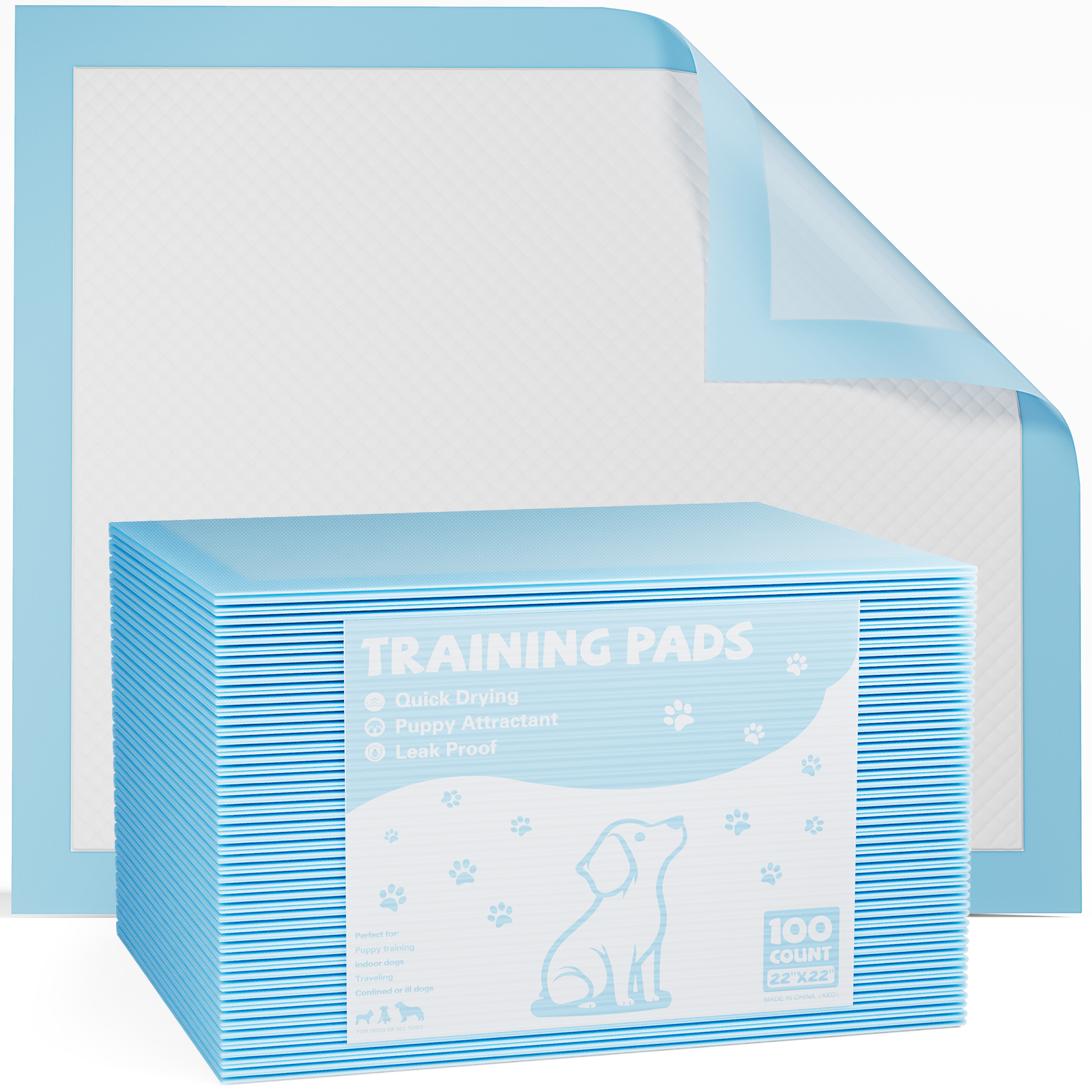
Leak-Proof Quick-Drying Disposable Dog Pads | Absorbent Puppy Pee Pads
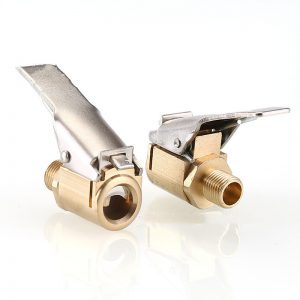
Air Pump with Air Chuck – Quick Clip Conversion for Easy Use