
Watches are more than just time-telling devices; they are expressions of personality, style, and status. When it comes to men’s and women’s watches, the differences go beyond size and color. Understanding these distinctions can help you choose the perfect timepiece that aligns with your lifestyle and preferences.
Size Differences
At first glance, the most obvious difference between men’s and women’s watches is size. Men’s watches typically feature larger cases, often ranging from 40mm to 50mm, while women’s watches generally have smaller cases, usually between 26mm and 38mm. This size difference is not just a matter of aesthetics; it plays a role in comfort and wearability. A larger watch can provide a bold statement on a man’s wrist, while a more delicate watch can enhance the elegance of a woman’s outfit.
Design Elements
Next, consider the design elements. Men’s watches often boast a rugged, masculine aesthetic, featuring:
- Bold dials
- Intricate chronographs
- Robust materials like stainless steel or titanium
On the other hand, women’s watches tend to embrace softer, more intricate designs. They often incorporate elements such as:
- Gemstones
- Intricate patterns
- A variety of colors that cater to a woman’s diverse fashion sense
The design is not merely about looks; it reflects the personality and lifestyle of the wearer.
Functionality
Functionality is another key aspect where these watches diverge. Men’s watches often include features like:
- Water resistance
- Durability
- Advanced complications such as calendars and multiple time zones
These features appeal to those with active lifestyles or professional needs. Women’s watches, while also functional, may prioritize elegance and versatility, often featuring quartz movements for accuracy and ease of use, making them ideal for everyday wear.
Cultural Context
Let’s not forget the cultural context. Historically, watches for men have been associated with power, precision, and utility, while women’s watches have been seen as fashion accessories. This perception is shifting, however, with many brands now creating unisex designs that break traditional boundaries. Today, a woman may opt for a bold dive watch just as easily as a man may choose a delicate timepiece adorned with gemstones.
Price Variations
Price can also vary significantly between men’s and women’s watches. Due to the materials and craftsmanship involved, men’s watches often carry a higher price tag, particularly in luxury brands. However, the growing demand for women’s watches has led to a wider range of options at various price points, making it easier for women to find a watch that meets their needs without breaking the bank.
Conclusion
Ultimately, the choice between a men’s watch and a women’s watch comes down to personal preference. Whether you’re drawn to the boldness of a men’s watch or the elegance of a women’s model, the right timepiece can elevate your style and make a statement.
As you explore your options, consider what resonates with you. Is it the functionality, the design, or perhaps the brand story? Whichever you choose, remember that a watch is not just a tool; it’s a reflection of who you are. Embrace your individuality and select a watch that speaks to your essence.
Related products
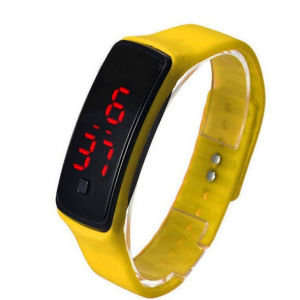
Slim LED Bracelet Watch for Men and Women – Stylish Sports Silicone Digital Wristwatch
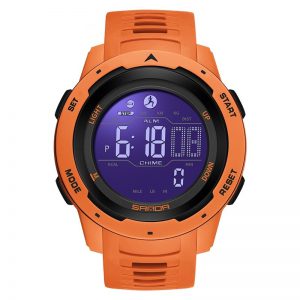
Sanda Waterproof Multifunctional Smart Watch for Men and Women – Shockproof and Calorie Tracking
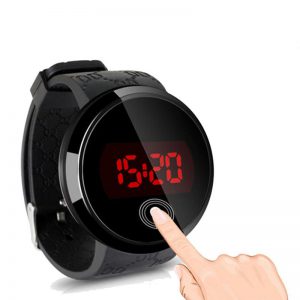
Couples Sports LED Electronic Watch for Men and Women – Stylish & Functional