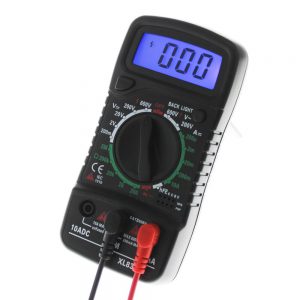
Choosing the right multimeter can feel overwhelming, especially with the plethora of options available on the market. Whether you’re a seasoned electrician or a DIY enthusiast, finding a multimeter that suits your specific needs is crucial. Let’s break down the essentials to help you make an informed decision.
Determine Your Primary Use
First, consider what you will primarily use the multimeter for. If you’re looking to measure voltage, current, and resistance for basic home projects, a simple digital multimeter (DMM) will suffice. These affordable models are user-friendly and perfect for everyday tasks. However, if you’re venturing into more advanced applications like automotive diagnostics or electronics work, you might want to invest in a more sophisticated model with additional features.
Key Factors to Consider
Accuracy and Resolution
Accuracy and resolution are key factors when selecting a multimeter. Look for one with a high resolution and low uncertainty percentage. This ensures that your measurements are precise, which is essential when troubleshooting complex circuits. Many multimeters also offer auto-ranging capabilities, allowing you to measure a wide range of values without manually adjusting settings—saving you time and effort.
Safety Features
Safety features should never be overlooked. A good multimeter will have built-in protections against overloads and short circuits. Look for models that comply with safety standards, such as CAT ratings, which indicate the multimeter’s ability to handle high voltages. This is especially important if you plan to use the device in industrial or automotive settings.
Portability and Ease of Use
Portability and ease of use can greatly enhance your experience. Consider a multimeter that is:
- Compact and lightweight
- Durable enough to withstand daily wear and tear
- Equipped with an intuitive interface and a clear display
Some models even come with backlit screens and magnetic holders for added convenience.
Included Accessories
Don’t forget to check the included accessories. A quality multimeter often comes with:
- Test leads
- Probes
- Carrying case
These extras can enhance your productivity and protect your investment. Additionally, some brands offer warranties, providing peace of mind in case of defects.
Brand Reputation and Customer Support
Lastly, think about the brand reputation and customer support. Established brands often provide reliable products backed by excellent customer service, ensuring that you can get assistance when needed. Look for reviews and ratings from other users to gauge the performance and reliability of the multimeter you’re considering.
Conclusion
In conclusion, selecting the right multimeter is all about understanding your specific needs and matching them with the features available. By focusing on accuracy, safety, ease of use, and brand reputation, you can find a multimeter that not only meets your expectations but also elevates your projects to new heights. Equip yourself with the right tools, and watch your skills flourish!
Related products

About This Product: Key Features and Benefits You Need to Know

12 High-Quality Products for Every Need – Shop Now for the Best Deals!

Universal Multi-Function Automotive Circuit Tester & Multimeter Lamp – Essential Car Repair Tools & Home Circuit Test Pencil