Choosing the right yoga mat can significantly impact your practice, offering not just comfort but also stability and grip. Among the most popular materials on the market today are PVC, TPE, and natural rubber. Each has its own unique benefits and drawbacks, making it essential to understand how they differ to find the perfect match for your yoga journey.
PVC Yoga Mats
PVC (Polyvinyl Chloride) mats are widely recognized for their durability and affordability. These mats are often thicker, providing ample cushioning for your joints, making them a great choice for beginners or those who enjoy a softer surface during practice. The non-slip surface of PVC mats ensures that you can hold your poses without worrying about sliding, even in the sweatiest of classes.
However, it’s important to note that PVC is not biodegradable, which raises environmental concerns. Additionally, some people may find PVC mats less breathable, leading to a slightly sticky feeling during intense sessions.
TPE Yoga Mats
TPE (Thermoplastic Elastomer) mats have emerged as a popular alternative to PVC, particularly for eco-conscious yogis. TPE is made from a blend of natural and synthetic materials, offering a biodegradable option that doesn’t compromise on performance. These mats are:
- Lightweight
- Often feature a textured surface for enhanced grip
- Tend to be free from harmful chemicals, making them a safer choice for your health and the environment
However, they may not provide the same level of cushioning as PVC mats, which could be a consideration for those with sensitive joints.
Natural Rubber Yoga Mats
Natural rubber mats are the darling of the eco-friendly community. Sourced from rubber trees, these mats are 100% biodegradable and offer excellent grip, even when wet. The natural texture of rubber provides a unique tactile experience that many yogis adore. These mats are generally:
- Thicker, providing superior cushioning and support
- Heavier
- May have a distinctive smell when new, which might not appeal to everyone
Additionally, those with latex allergies should steer clear of these mats.
Conclusion
In summary, the choice between PVC, TPE, and natural rubber yoga mats ultimately comes down to personal preference and priorities. PVC mats shine in durability and affordability, making them ideal for beginners. TPE mats stand out for their eco-friendliness and safety, while natural rubber mats offer the best grip and cushioning but may not suit everyone’s needs.
Investing in the right yoga mat is about aligning with your values and enhancing your practice. Consider what matters most to you—whether it’s sustainability, comfort, or budget—and choose the mat that will support your journey on the mat. Embrace the experience, and let your yoga practice flourish!
Related products
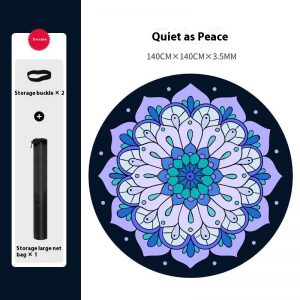
Professional Natural Rubber Round Yoga Mat for Ultimate Comfort and Performance
All-Weather Black TPE Rubber Car Floor Mats for 14-22 Lexus GX460 & 14-23 4Runner
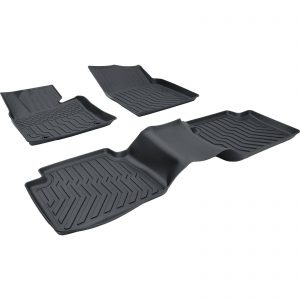
TPE Rubber Car Floor Mats for 2018-2023 Camry – Not Compatible with Camry Hybrid