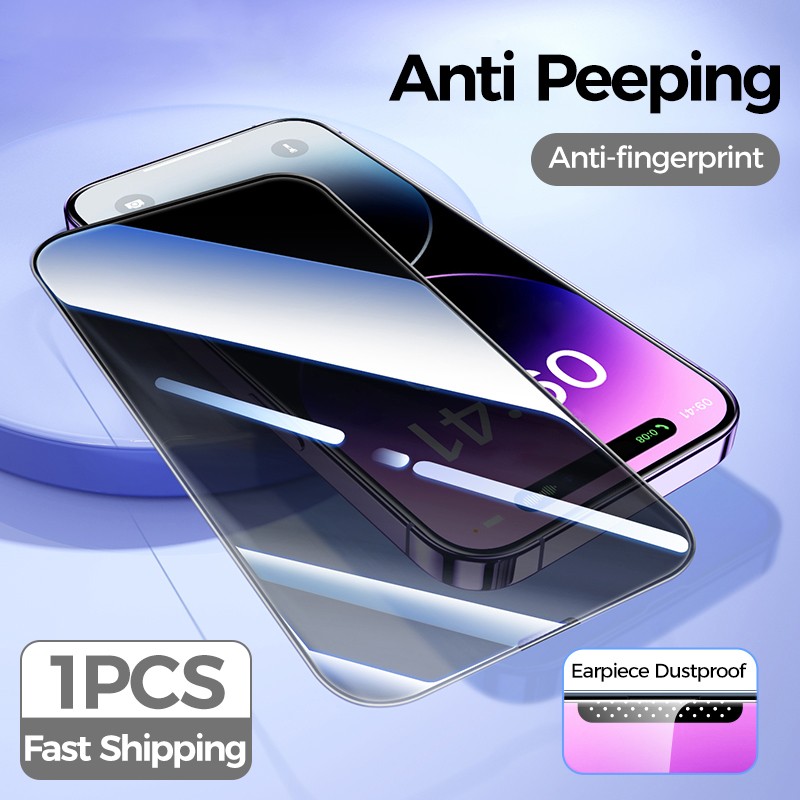
Screen protectors are an essential accessory for smartphones, tablets, and other devices, acting as a first line of defense against scratches, impacts, and daily wear and tear. However, it can be frustrating when these protectors crack or shatter, seemingly out of nowhere. Understanding the common causes of screen protector breakage can save you time, money, and the hassle of frequent replacements.
Common Causes of Screen Protector Breakage
1. Improper Installation
One of the primary culprits behind cracked screen protectors is improper installation. If the protector isn’t applied correctly, air bubbles and dust can weaken its integrity. This not only leads to a less appealing look but also creates pressure points that are susceptible to cracking. To combat this issue, always follow the manufacturer’s instructions meticulously:
- Use a dust-free environment.
- Consider using installation kits that come with tools to ensure a flawless application.
2. Quality of the Screen Protector
Another significant factor is the quality of the screen protector itself. Not all screen protectors are created equal; some are made from lower-quality materials that are more prone to damage. Investing in a high-quality tempered glass protector can provide superior durability and shock resistance. Look for products that boast high levels of hardness, such as those rated 9H, which can withstand everyday impacts while maintaining clarity.
3. Temperature Fluctuations
Temperature fluctuations can also lead to cracks. Extreme heat or cold can cause the protector to expand or contract, leading to stress and eventual breakage. Avoid leaving your device in hot cars or exposing it to icy conditions for extended periods. To protect your investment, keep your device in a climate-controlled environment as much as possible.
4. Accidental Drops
Accidental drops are perhaps the most obvious reason for a cracked screen protector. Even a minor fall can compromise its structure, especially if the protector is already weakened. To reduce the risk of accidental drops, consider investing in a durable case that offers additional protection. Combining a robust case with a high-quality screen protector creates a formidable shield against damage.
5. Rough Usage
Lastly, using your device in a rough or rugged manner can lead to wear and tear on your screen protector. Activities like hiking or working in construction environments can expose your device to elements that increase the likelihood of cracking. If your lifestyle demands more rugged use, look for screen protectors specifically designed for durability in extreme conditions.
Conclusion
By recognizing these common causes and implementing practical fixes, you can significantly extend the life of your screen protector. Whether you choose to invest in higher-quality products, take greater care during installation, or modify your usage habits, a few proactive steps can keep your screen protector intact, ensuring your device stays protected and looking pristine. Don’t let cracked screen protectors hold you back—make the smart choice for lasting protection today!
Related products
Tempered Glass Film Screen Protector for HD Mobile Phones – Ultimate Protection
Durable Tempered Glass Screen Protector Front Film for Ultimate Protection
Tempered Glass Screen Protector Compatible With 11 Pro Max, 12 Mini, 11 Pro, 12 Pro, XS, X, XR, 7, 8 Plus, 6, 6S, SE, 5S – Ultimate Protection Film