Many drivers are surprised to learn that their tire pressure readings may not be as accurate as they believe. A miscalibrated gauge or incorrect measurement technique can lead to underinflated or overinflated tires, creating safety hazards and reducing fuel efficiency. Understanding common mistakes can empower you to maintain optimal tire pressure, ensuring a smoother, safer ride.
Common Causes of Inaccurate Tire Pressure Readings
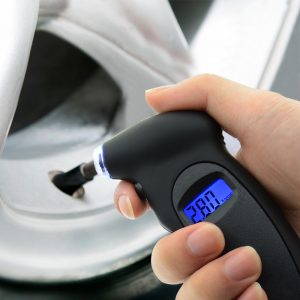
One of the primary culprits behind inaccurate tire pressure readings is the gauge itself. Many drivers rely on handheld gauges, which can easily fall out of calibration. Regularly checking and, if necessary, replacing your tire pressure gauge can help maintain accuracy. Investing in a high-quality digital gauge often yields more reliable results than standard analog options, allowing you to make informed decisions about your tire maintenance.
Measuring Tire Pressure at the Right Time
Another frequent mistake arises from measuring tire pressure when tires are hot. Tire pressure increases as the tires heat up from driving, leading to misleading readings. It’s advisable to check tire pressure when the tires are cold, ideally before the car has been driven or at least three hours after use. This simple practice can save you from unnecessary adjustments and ensure your tires operate at the manufacturer-recommended levels.
Don’t Forget the Spare Tire
Moreover, many drivers overlook the importance of checking the pressure of the spare tire. A flat spare can leave you stranded when you need it most. Make it a habit to check all tires, including the spare, during regular maintenance. This comprehensive approach not only enhances safety but also prolongs the life of your tires.
Environmental Factors Affecting Tire Pressure
Environmental factors can also play a role in inaccurate tire pressure readings. Changes in temperature can cause fluctuations in tire pressure. For every 10 degrees Fahrenheit drop in temperature, tire pressure can decrease by about 1 PSI. Be vigilant about checking your tire pressure during seasonal changes and adjust accordingly to maintain optimal performance.
Seeking Professional Help
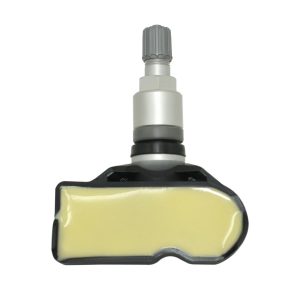
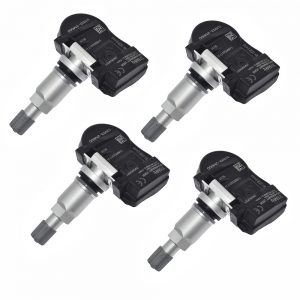
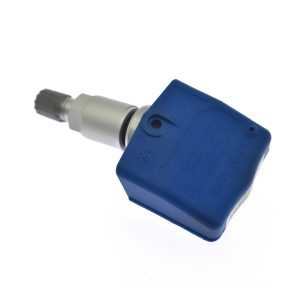
If you find yourself struggling with tire pressure issues, consider seeking professional help. Many automotive service centers offer tire pressure monitoring system (TPMS) checks and can recalibrate your gauges if necessary. Regular professional maintenance can help you avoid the pitfalls of DIY measuring, ensuring your tires remain in prime condition.
The Importance of Maintaining Correct Tire Pressure
Maintaining the correct tire pressure isn’t just a matter of convenience; it’s a crucial element of vehicle safety and efficiency. Properly inflated tires:
- Enhance fuel economy
- Provide better handling
- Reduce the risk of blowouts
Don’t let common gauge mistakes jeopardize your safety and vehicle performance. Take control of your tire maintenance today, and drive with confidence.