Finding the perfect bike fit is more than just comfort; it’s the key to a pain-free cycling experience. Knee pain is a common complaint among cyclists, often stemming from improper bike adjustments. Understanding these bike fit mistakes can help you transform your rides from painful to pleasurable.
Saddle Height
One of the most frequent culprits behind knee pain is saddle height. If your saddle is too low, it forces your knees into an unnatural angle, leading to strain and discomfort. Conversely, a saddle that’s too high can result in overextension, causing similar issues. To remedy this, adjust your saddle height so that your leg has a slight bend at the bottom of the pedal stroke. This adjustment will optimize your pedaling efficiency and significantly reduce knee strain.
Saddle Position
Another common mistake is saddle position. Many cyclists overlook the importance of fore-aft positioning, which can dramatically affect knee alignment. If your saddle is too far forward or backward, it can throw your knee out of alignment with your pedal stroke, leading to pain. A simple adjustment can make all the difference:
- Ensure that when your pedals are at the 3 and 9 o’clock positions, your knee should be directly above the pedal spindle.
This alignment will help distribute the load evenly across your knee joint.
Crank Length
Don’t forget about the crank length! Using cranks that are too long for your leg length can lead to excessive knee extension, while cranks that are too short might not provide enough leverage. Consult with a professional fitter to find the right crank length for your body. This small change can drastically improve your comfort and performance.
Cleat Positioning
Cleat positioning also plays a crucial role in knee health. Misaligned cleats can cause your foot to twist unnaturally, placing additional stress on your knees. Ensure that your cleats are positioned correctly and that your shoes allow for a natural foot position during pedaling. Investing in quality cleats and shoes that suit your riding style can prevent discomfort and enhance your overall experience.
Flexibility and Strength Training
Lastly, don’t underestimate the importance of flexibility and strength training. A strong core and well-stretched muscles support better bike fit and reduce the likelihood of injury. Incorporating exercises that strengthen your legs, hips, and core into your routine can bolster your cycling performance and keep knee pain at bay.
Seeking Professional Help
If you’re struggling with knee pain and suspect a bike fit issue, don’t hesitate to seek out professional bike fitting services. Expert fitters use advanced tools and techniques to analyze your riding style, body mechanics, and bike setup, ensuring that every component works in harmony. Investing in a professional fit can save you from future pain and make your cycling experience more enjoyable.
Conclusion
Eliminate the guesswork and pain that comes from an improper bike fit. By making these adjustments and seeking expert help when necessary, you can transform your rides and enjoy cycling to the fullest. Say goodbye to knee pain and hello to endless adventures on two wheels!
Related products
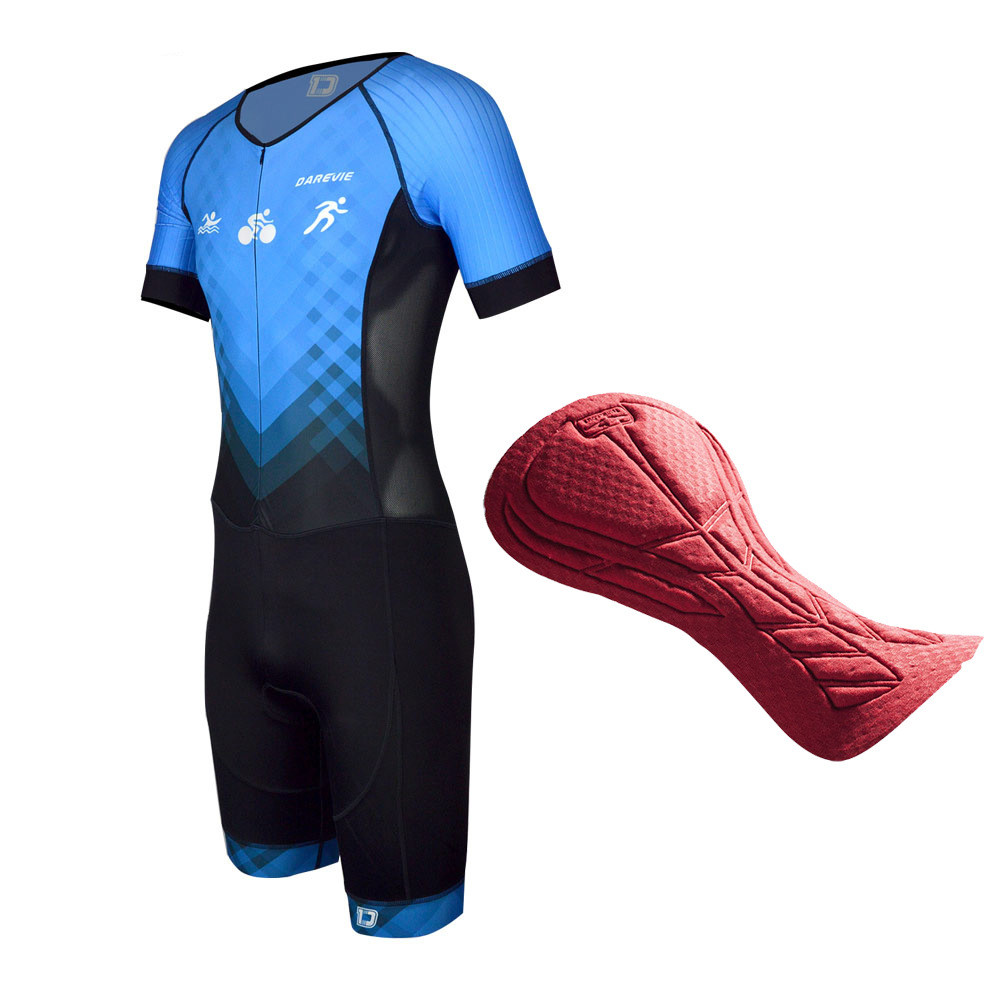
Stylish Slim Fit Bike Short-Sleeved Jumpsuit for Ultimate Comfort
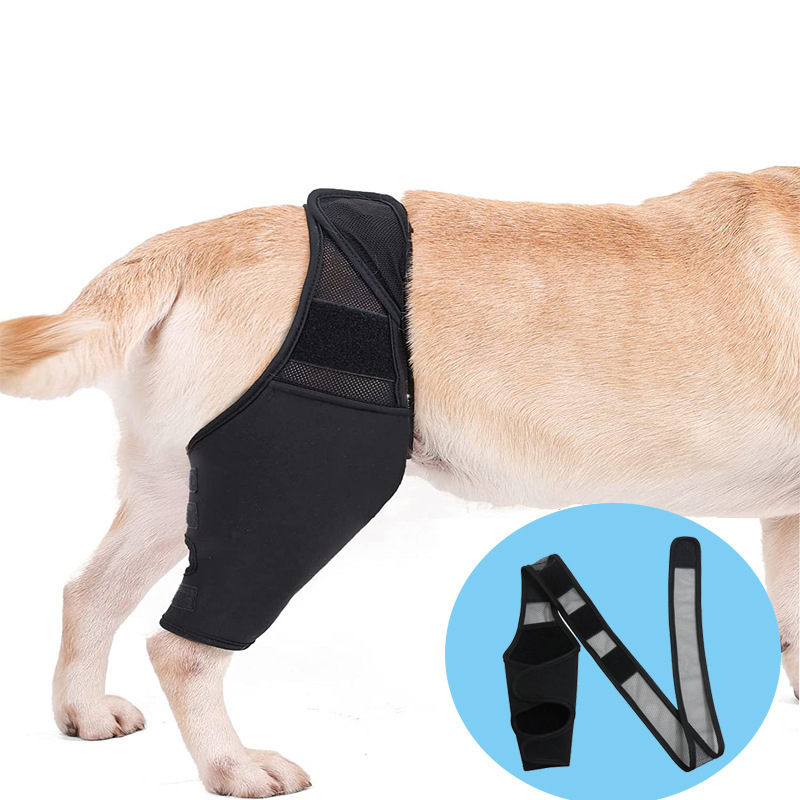
Adjustable Pet Knee Pads for Joint Injury Recovery – Dog Thigh Brace Wrap & Support Belt for Post-Operative Fixation
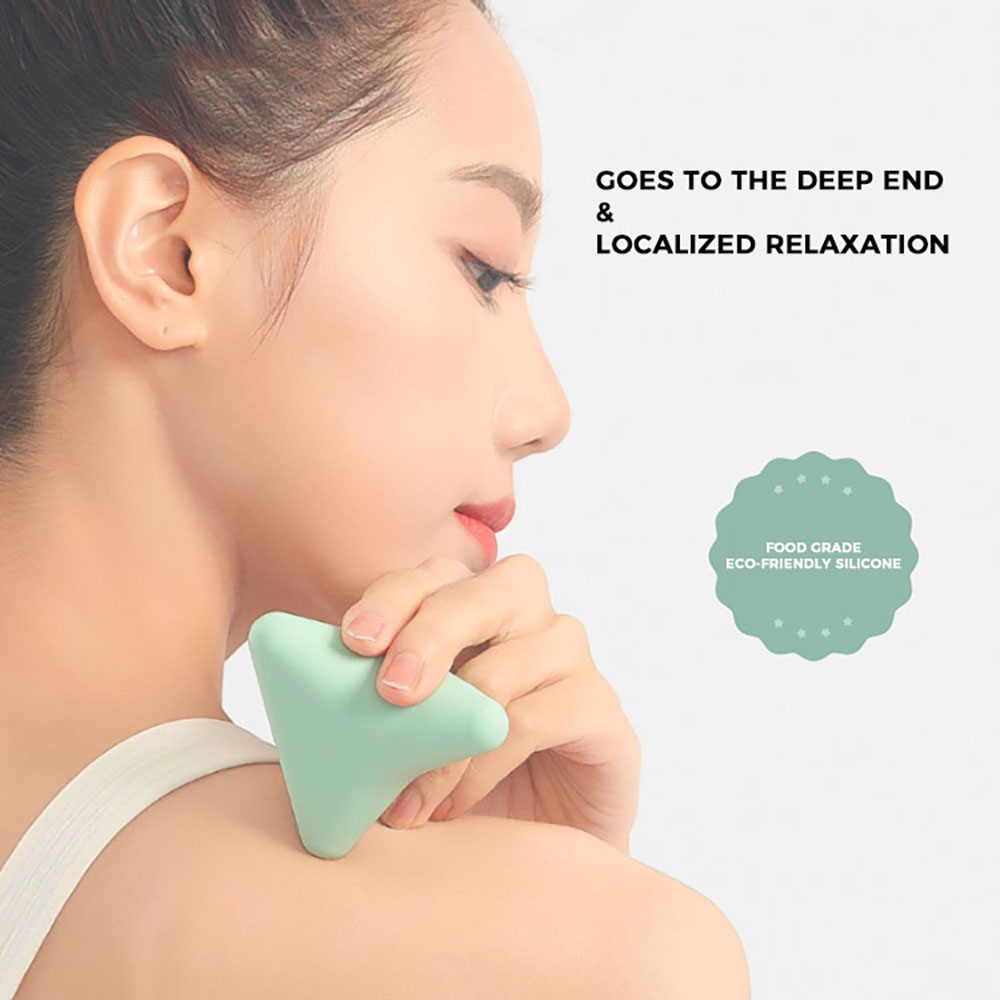
Silicon Massage Cone Fitness Massage Ball – Trigger Point Self-Massage Therapy Tool for Muscle Pain Relief and Tension Relief in Back, Neck, Arms, Shoulders, Legs – Grey