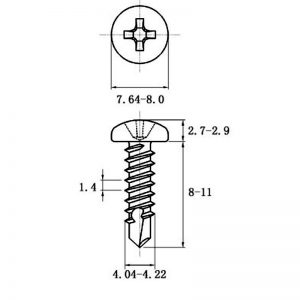
When it comes to choosing the right fastener for your project, understanding the distinctions between deck screws and wood screws can save you time, effort, and money. Each type of screw is engineered for specific applications, and knowing when to use one over the other can make all the difference in the durability and success of your construction or woodworking endeavors.
Deck Screws
Deck screws are designed specifically for outdoor use, ideal for building decks, fences, and other structures exposed to the elements. What sets them apart? Their corrosion-resistant coatings, such as ceramic, epoxy, or galvanized finishes, ensure they withstand moisture, UV rays, and temperature fluctuations without rusting or deteriorating. This longevity translates into a safer, more secure structure that requires less maintenance over time. Imagine the peace of mind knowing your deck will endure the test of time and weather without succumbing to wear and tear!
Key Features of Deck Screws
- Corrosion-resistant coatings
- Designed for outdoor use
- Flat or bugle head for a flush finish
- Star or square drive for better torque
Wood Screws
On the flip side, wood screws are your go-to fasteners for interior woodworking projects, such as cabinetry, furniture assembly, and framing. They typically have a sharper point and coarser threads compared to deck screws, allowing for easier penetration into softer woods without splitting. Wood screws excel in providing a strong grip within the wood fibers, ensuring that your projects remain solid and stable.
Key Features of Wood Screws
- Sharper point and coarser threads
- Available in various finishes for aesthetic appeal
- Flexible head styles, such as pan or round
- Phillips or slotted heads for ease of use
Choosing the Right Screw
Choosing the right screw also involves understanding the head types. Deck screws often feature a flat or bugle head, which allows for a flush finish on the surface of the wood, reducing the risk of tripping hazards or snagging clothing. Wood screws, however, can come with various head styles, providing flexibility in how they blend into or stand out from your finished piece.
Installation Considerations
When it comes to installation, deck screws often incorporate a star or square drive, which minimizes stripping and allows for better torque, especially when working with dense materials or when using power tools. Wood screws, on the other hand, frequently use Phillips or slotted heads, offering ease of use for hand-driven applications.
Conclusion
Ultimately, the choice between deck screws and wood screws boils down to the environment and specific requirements of your project. By investing in the right type of screw, you’re not just ensuring the structural integrity of your work; you’re also enhancing its lifespan and functionality.
In summary, selecting between deck screws and wood screws is more than a matter of preference; it’s about equipping yourself with the best tools for the job. Opt for deck screws for outdoor resilience and wood screws for indoor craftsmanship. Elevate your projects with the right fasteners and experience the difference in quality, durability, and aesthetic appeal. Make your next project a standout success by choosing wisely—your structures deserve it!
Related products
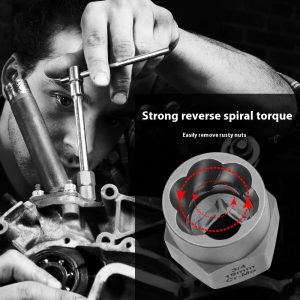
Reverse Tooth Sleeve Rust Damage Screw Extractor – Effortlessly Remove Stuck Screws
High-Performance 6 Hole Disc Brake Rotor – 160mm, 140mm, 120mm with 6 Screws
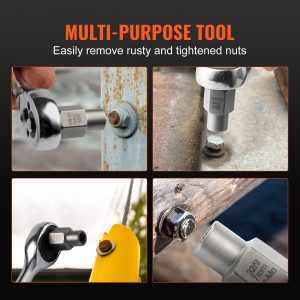
VEVOR 29-Piece Bolt Extractor and Nut Remover Set, 6mm to 10mm, 13/32″ to 3/4″, Durable CR-MO Steel Socket Set with Storage Case for Effortlessly Removing Damaged Rusted Bolts, Nuts, and Screws