Choosing the right roller for your painting project can make all the difference between a flawless finish and a textured mess. When it comes to achieving smooth walls, foam and nap rollers each offer unique advantages that cater to different needs and preferences. Understanding these differences can elevate your painting game to a professional level.
Foam Rollers: The Smooth Finish
Foam rollers are renowned for their ability to create a sleek, smooth finish. Their dense, non-porous surface glides effortlessly across walls, applying paint evenly without leaving behind lint or texture. This makes them ideal for glossy or satin finishes, where imperfections can be magnified.
If you’re working on a project that requires precision, such as painting furniture or cabinetry, foam rollers can be your best ally. They excel in delivering a clean, polished look, ensuring that every stroke contributes to the overall aesthetic of your space.
Nap Rollers: The Efficient Choice
On the other hand, nap rollers bring a different set of benefits to the table. With their textured surface, nap rollers are perfect for painting walls with a bit of character. They hold more paint, allowing for quicker coverage of larger areas. This means you can complete your project faster, making them a favorite among DIY enthusiasts looking to transform a room without spending endless hours on the task.
Nap rollers are particularly effective on textured surfaces, where they can reach into crevices and ensure an even coat.
Choosing the Right Roller
When deciding between foam and nap rollers, consider the type of paint finish you desire:
- Foam Rollers: If your goal is a mirror-like sheen, opt for foam rollers.
- Nap Rollers: If you’re working with a flat or eggshell finish, a nap roller may better suit your needs, providing the coverage and efficiency required for broader applications.
Impact on Your Painting Experience
Additionally, the choice of roller can impact your overall painting experience:
- Foam Rollers: Lightweight and easy to maneuver, reducing fatigue during extended painting sessions.
- Nap Rollers: A bit bulkier but often more forgiving on uneven surfaces, making them a practical choice for beginners or those tackling older homes with character.
Conclusion
Ultimately, the decision between foam and nap rollers hinges on the finish you seek and the surface you’re painting. For smooth walls that demand precision and elegance, foam rollers shine like a beacon of perfection. But if speed and coverage are your top priorities, nap rollers deliver efficiency and effectiveness. Whichever you choose, understanding the strengths of each will empower you to achieve the stunning results you desire. Get ready to roll your way to beautifully smooth walls!
Related products

Cats Climbing Ladders on Sturdy Solid Wood Walls with Rubber Wood Springboards & Fun Stair Toys

Outdoor Solar Simulation Monitor Lamp – Waterproof LED Induction Light for Courtyards, Home Walls, and Pathways
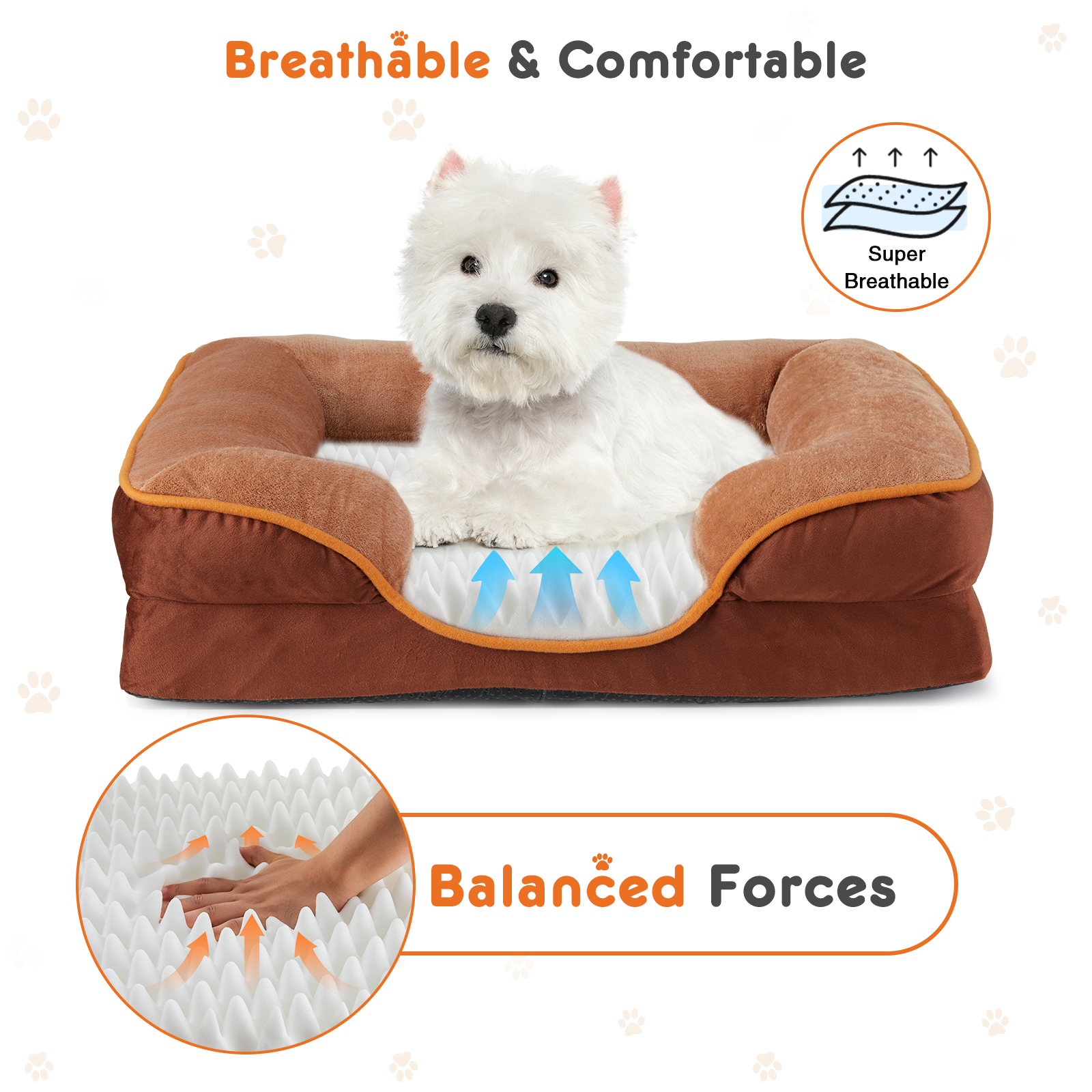
Cozy Memory Foam Pet Bed for Small Dogs & Cats – Washable Cover, Non-Slip Base, Waterproof Liner