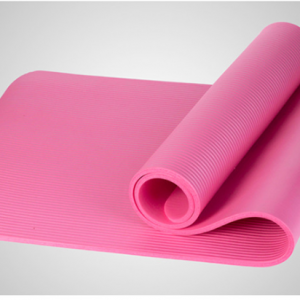
Keeping your yoga mat clean is essential not only for your health but also for maintaining a serene and inviting practice space. A dirty mat can harbor bacteria, fungi, and unpleasant odors, detracting from your experience and potentially impacting your well-being. So, how often should you clean your mat to keep it in top shape? Let’s dive into a simple hygiene guide that will help you enhance your yoga practice.
Daily Maintenance
For regular practitioners, a quick wipe-down after each session is a must. Using a gentle mat cleaner or a DIY solution of water and vinegar can effectively eliminate sweat and bacteria without damaging the surface. This routine upkeep ensures that your mat remains fresh and ready for your next session, allowing you to focus on your poses without distraction.
Weekly Deep Clean
Every week, give your mat a deeper clean. This involves soaking it in a mixture of warm water and a few drops of mild detergent. After a thorough scrub, rinse it well and let it air dry. This deeper cleanse will remove any stubborn grime or odors that might have built up over time, extending the life of your mat while ensuring a hygienic practice space.
Special Considerations
If you practice in a hot environment or sweat heavily, consider cleaning your mat after every session. The heat and moisture can create a breeding ground for bacteria, making it crucial to stay on top of your hygiene game. Investing in a high-quality, eco-friendly mat cleaner can make this process quick and effective, allowing you to maintain cleanliness without compromising the environment.
Travel Tips
For those who travel frequently or attend yoga classes, keeping a portable mat cleaner in your bag is a smart move. This allows you to freshen up your mat on the go, ensuring that you always have a clean surface to practice on, no matter where you are. With the right products, maintaining your mat’s cleanliness can be as easy as a few spritzes and wipes.
Understanding Your Mat’s Material
Moreover, understanding your mat’s material can help tailor your cleaning routine. Natural rubber mats, for instance, require different care than PVC mats. Always check the manufacturer’s guidelines for specific cleaning instructions to avoid damaging your mat.
The Benefits of a Clean Mat
Finally, remember that a clean mat not only enhances your physical practice but also contributes to your mental clarity. Stepping onto a fresh, clean surface sets a positive tone for your session, helping you connect more deeply with your breath and movements.
Conclusion
In summary, prioritize the hygiene of your yoga mat by:
- Cleaning it after each session
- Giving it a thorough wash weekly
- Investing in quality cleaning products
By doing so, you’re not just caring for your mat; you’re nurturing your entire yoga experience. Embrace the ritual of cleanliness, and let your mat be a reflection of the serenity you seek in your practice.
Related products
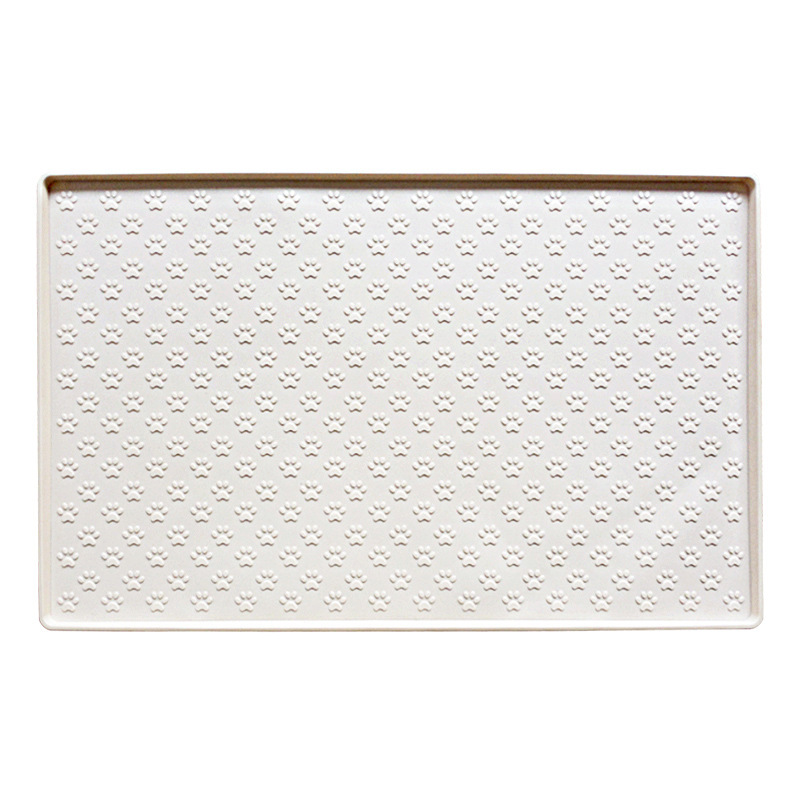
Spot Pet Mat – Waterproof Silicone Dog and Cat Mat, Easy to Clean Square Placemat, Essential Pet Supplies
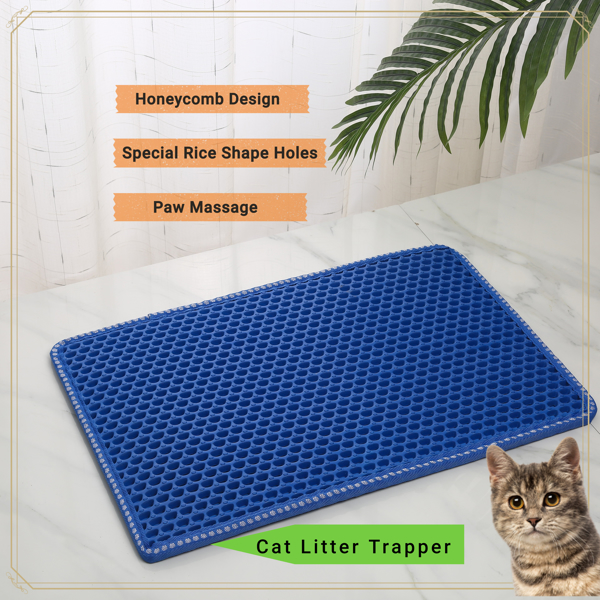
Double-Layer Cat Litter Mat for Rice – Durable, Easy to Clean & Mess-Free
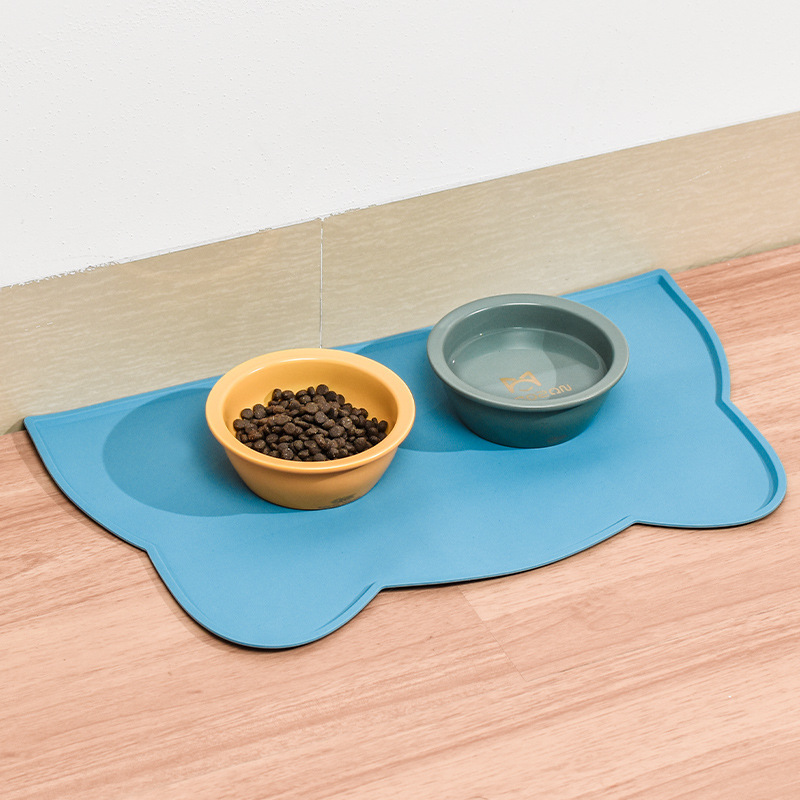
Durable Silicone Pet Mat for Cats and Dogs – Keep Floors Clean and Dry