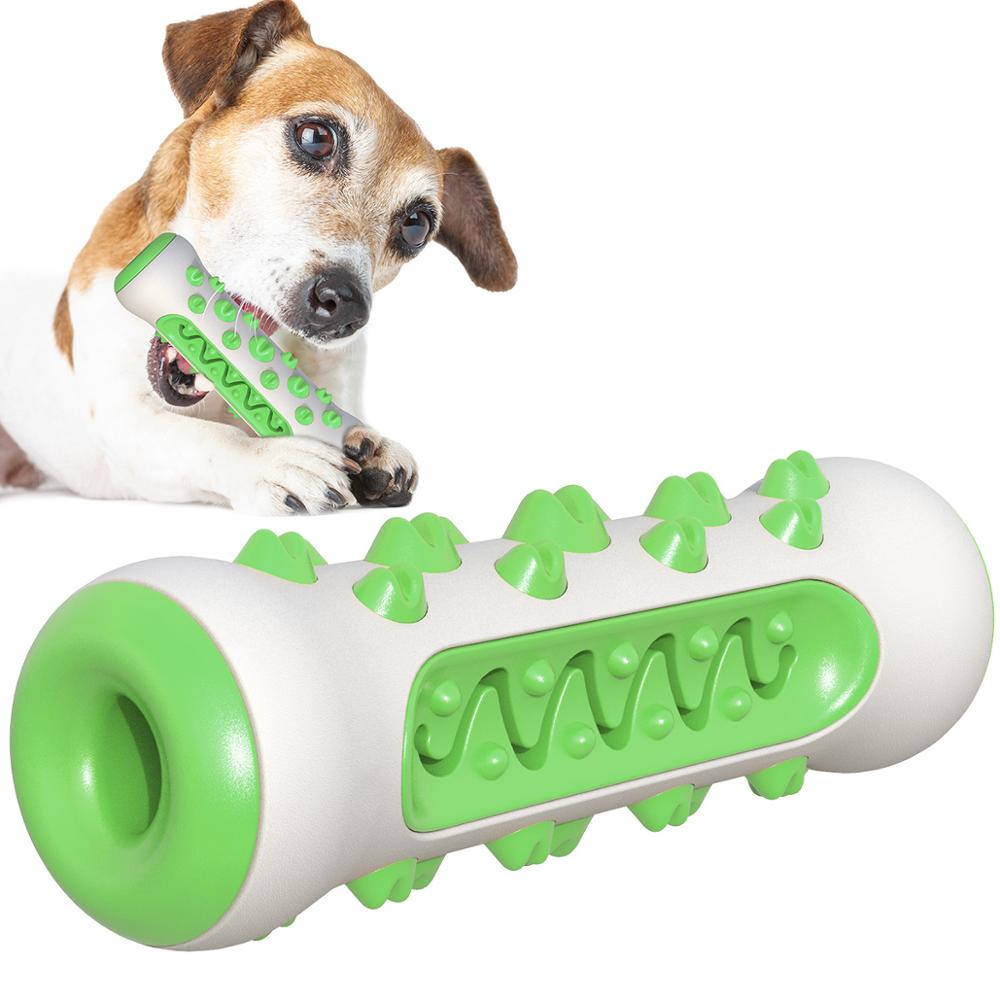
Establishing a dental care routine for your dog may seem daunting, but it can be a fun and rewarding experience for both of you. Just like humans, dogs require regular dental hygiene to maintain their overall health. A simple brushing routine can prevent plaque buildup, gum disease, and bad breath, making your furry friend happier and healthier.
Getting Started: The Right Tools
Start with the right tools. A dog-specific toothbrush and toothpaste are essential. Never use human toothpaste, as it can be harmful to dogs. Look for a toothpaste that is safe, tasty, and designed specifically for canine dental care. Many brands offer flavors like chicken or peanut butter that will make your dog look forward to brushing time.
Introducing the Brushing Process
Getting your dog comfortable with the brushing process is crucial. Begin by introducing the toothbrush and toothpaste gradually. Let your dog sniff the brush and taste the toothpaste to create a positive association. This initial step is vital for building trust and reducing anxiety.
Brushing Technique
Once your dog is familiar with the tools, it’s time to start the actual brushing. Choose a quiet, relaxed environment where your dog feels at ease. Position your dog comfortably, either sitting or lying down. Gently lift their lips to expose their teeth, starting with the back molars. Use a circular motion to brush the outer surfaces of the teeth, focusing on areas where plaque tends to accumulate. Be patient and work slowly; it may take a few sessions for your dog to fully accept the process.
Establishing a Routine
Consistency is key. Aim to brush your dog’s teeth at least two to three times a week. If daily brushing is possible, that’s even better! Incorporating this routine into your regular pet care can lead to significant long-term benefits. Not only will you help keep your dog’s teeth clean, but you’ll also establish a bonding activity that enhances your relationship.
Enhancing Your Dental Care Routine
Consider enhancing your dental care routine with additional products:
- Dental chews: These can help reduce plaque.
- Water additives: These can freshen breath.
- Dental wipes: These provide an extra layer of protection for your dog’s teeth.
Regular Veterinary Check-ups
Lastly, regular veterinary check-ups are essential for maintaining your dog’s oral health. Your veterinarian can provide professional cleanings and address any dental issues that may arise. Keeping an open line of communication with your vet ensures that you’re equipped with the best strategies for your dog’s dental care.
Conclusion
Taking the time to brush your dog’s teeth is a small investment that yields significant rewards. With the right approach and tools, you can create a simple yet effective routine that promotes your dog’s health and happiness. So grab that toothbrush and start brushing today—your pup will thank you with tail wags and slobbery kisses!
Related products
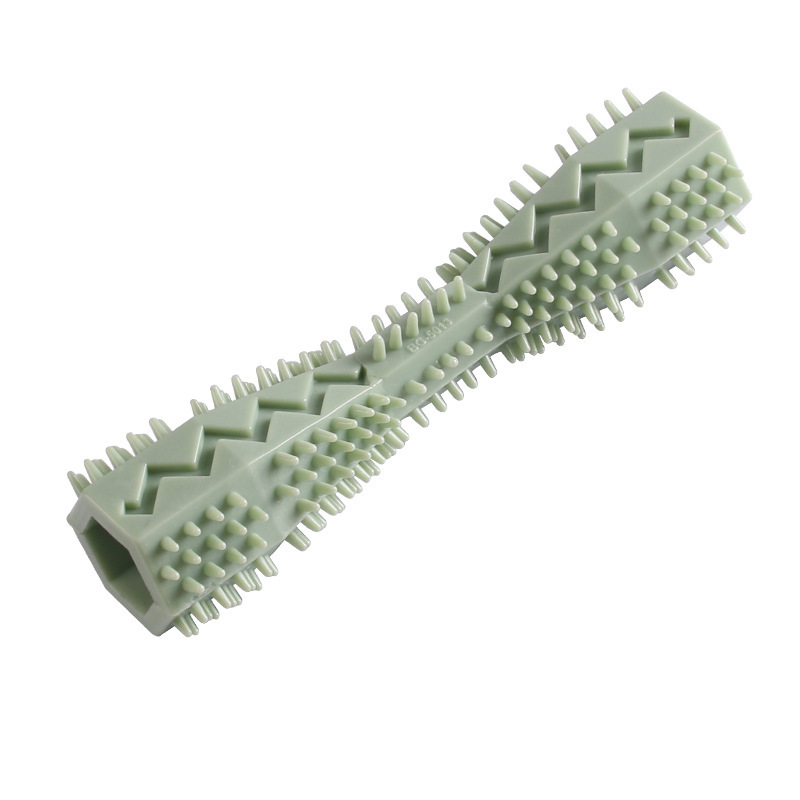
Effective Dog Teeth Cleaning Chew Toys for Dental Health and Fun
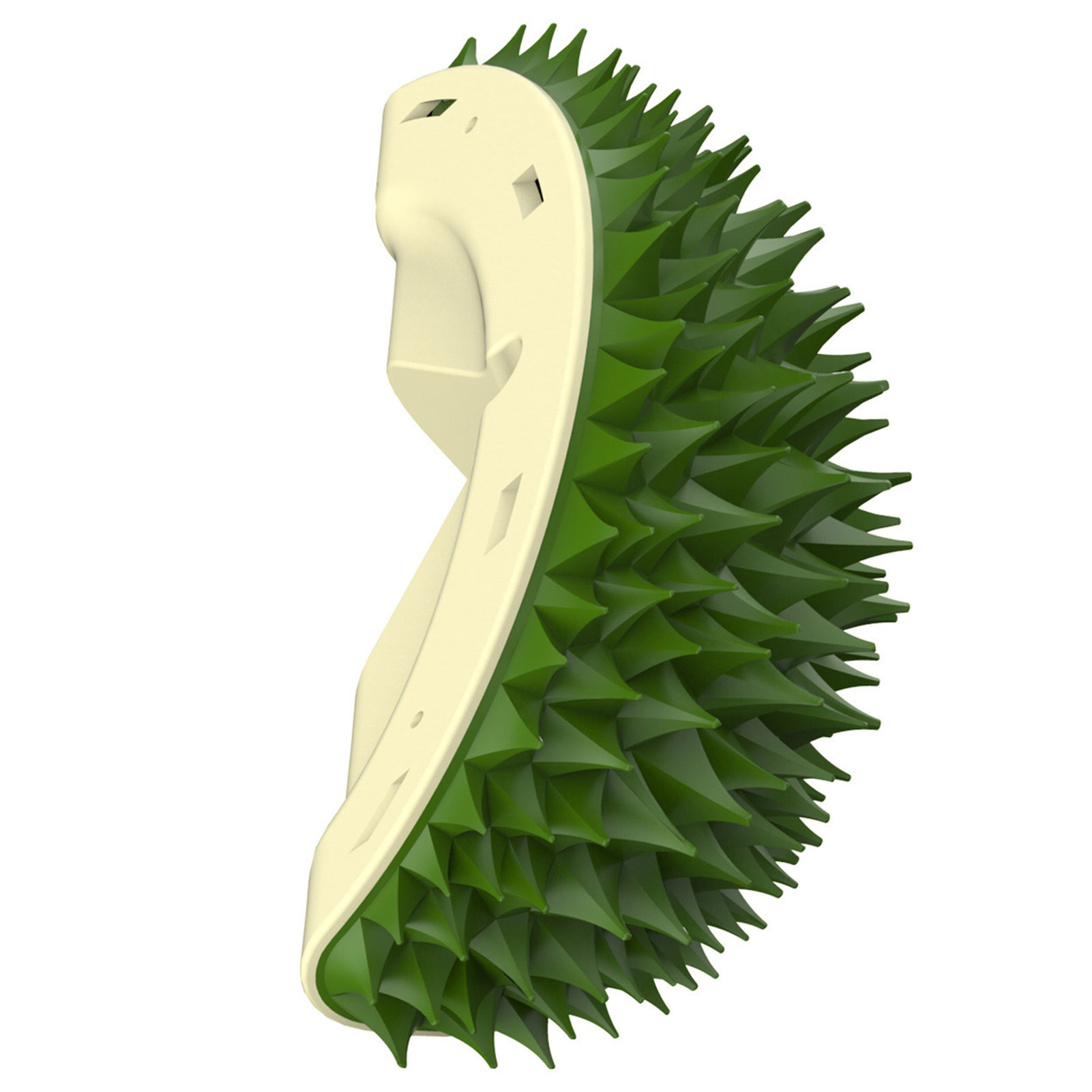
Durian Cat Brush & Dog Self Groomer – Multifunctional Wall Corner Scratcher, Massage Combs & Teeth Cleaning Toys for Healthy Pets
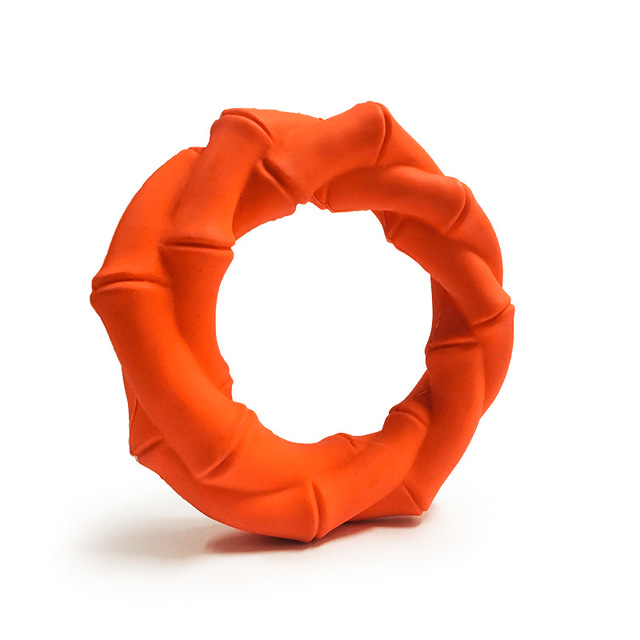
Durable Dog Teething Toy – Perfect for Soothing Puppies and Promoting Dental Health