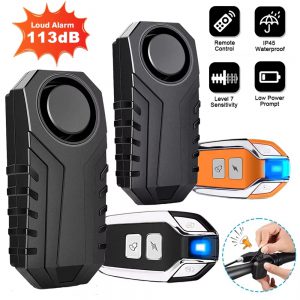
Selecting the right bike computer can be a game-changer for your cycling experience, helping you track your performance, navigate new routes, and stay connected. With a myriad of options available, understanding what features matter most is essential. Let’s delve into the key components: GPS, battery life, and sensors.
GPS Functionality
GPS functionality is paramount for cyclists who crave adventure. A robust GPS bike computer not only tracks your location but also provides real-time mapping and route planning. Imagine riding through unfamiliar territory with confidence, knowing your device can guide you back home or to the next landmark.
Look for models that offer multi-satellite support, such as GPS, GLONASS, and Galileo, which enhance accuracy even in challenging environments like urban canyons or dense forests. This feature can be invaluable for both recreational riders and serious competitors who need precise data to optimize their training.
Battery Life
Battery life is another critical aspect to consider. A bike computer with a long-lasting battery ensures you won’t be left stranded mid-ride. Many advanced models boast battery lives that exceed 20 hours, allowing for extended adventures without the constant worry of recharging.
Additionally, features like energy-saving modes can extend battery life even further, making it easier to tackle long-distance rides or multi-day tours. When comparing options, check user reviews for real-world battery performance to ensure you’re making a wise investment.
Sensors
Sensors play a significant role in enhancing your cycling experience. Look for bike computers that offer compatibility with:
- Speed sensors
- Cadence sensors
- Heart rate sensors
These additional tools can provide a more comprehensive view of your performance metrics, helping you analyze your ride and make informed adjustments to your training regimen. For those interested in indoor cycling, many bike computers can also sync with smart trainers, creating a seamless transition between outdoor and indoor rides. The right sensors can transform basic data into actionable insights, elevating your cycling game to new heights.
Choosing the Right Bike Computer
When choosing a bike computer, consider how you plan to use it. If you’re a competitive cyclist, prioritize advanced GPS features and sensor compatibility. For casual riders, a simpler model with essential tracking capabilities may suffice.
Don’t forget to explore connectivity options, such as Bluetooth and Wi-Fi, which allow for easy syncing with your smartphone or training apps, making it simpler to analyze your performance and share your achievements.
Conclusion
Ultimately, the perfect bike computer should align with your specific needs and cycling style. By focusing on GPS accuracy, battery longevity, and sensor integration, you’ll be well-equipped to make an informed decision. Elevate your rides and enhance your cycling experience with a bike computer that not only meets but exceeds your expectations. Happy cycling!
Related products
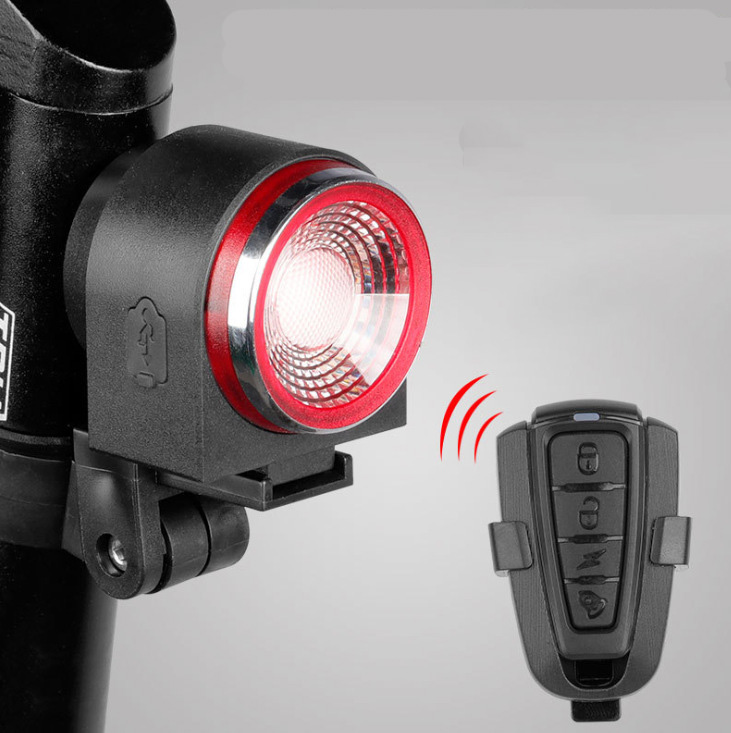
Smart Bike Rear Light with Intelligent Sensor, Anti-theft Alarm, USB Rechargeable, Flashing Feature
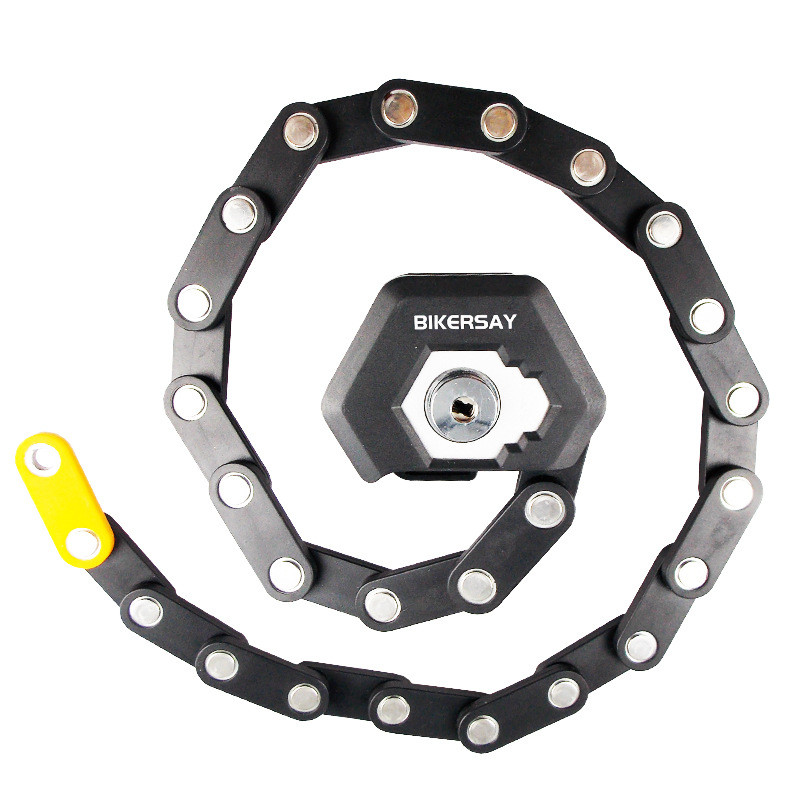
Secure Your Bike with Our Anti-Theft Battery Car Folding Lock

High-Performance Electric Bike for Adults – 26″ x 4.0″ Fat Tire Mountain Ebike, 1000W Motor, 48V 15Ah Battery for Trail Riding, Excursions, and Commuting – UL & GCC Certified