Choosing the right barcode scanner can significantly impact your business operations, efficiency, and customer satisfaction. With two primary types—wired and wireless—understanding their differences and the importance of range can guide you to the best choice for your needs.
Wired Barcode Scanners
Wired barcode scanners connect directly to your computer or POS system, providing a stable and uninterrupted data transmission. This reliability is especially crucial in high-volume environments where every second counts. If your business operates from a fixed location, such as a retail store or warehouse, a wired scanner can be a cost-effective and robust solution. These devices often require no batteries, ensuring that you’ll never face a power issue mid-scan. Additionally, wired scanners tend to have a longer lifespan, making them a solid investment for businesses looking to minimize operational costs over time.
Wireless Barcode Scanners
On the other hand, wireless barcode scanners offer unmatched flexibility and mobility. Imagine scanning products without being tethered to a workstation, allowing your employees to move freely around the store or warehouse. This can enhance efficiency, particularly in busy environments where quick access to inventory is essential. Wireless scanners typically connect via Bluetooth or Wi-Fi, providing a hassle-free experience that can streamline operations. They are perfect for businesses that require scanning in various locations or during events where portability is key.
Range Considerations
When evaluating range, consider your specific operational needs. Wired scanners generally have a limited range, as they rely on direct connections. However, most models can accommodate distances suitable for typical retail or warehouse setups. Wireless scanners shine in this aspect, often boasting a range of up to 100 meters, depending on the model and environmental factors. This extended range allows employees to scan items from a distance, making it easier to manage inventory without needing to return to a central workstation.
Scanning Speed and Accuracy
In addition to range, assess the scanning speed and accuracy of the devices. Modern barcode scanners are designed to handle a variety of barcode types quickly and accurately, reducing the chances of errors during transactions. A scanner that combines speed with precision can enhance customer satisfaction and improve overall workflow.
Integration Capabilities
Finally, consider the integration capabilities of the scanner with your existing systems. Many wireless scanners offer seamless integration with cloud-based software, enabling real-time data updates and inventory management. This capability can save time and reduce the likelihood of discrepancies in stock levels.
Conclusion
In conclusion, the choice between wired and wireless barcode scanners ultimately depends on your business’s specific requirements. Wired scanners provide reliability and durability for fixed locations, while wireless options offer mobility and flexibility for dynamic environments. By considering factors such as:
- Range
- Speed
- Accuracy
- Integration
you can select the barcode scanner that will best enhance your operations and help your business thrive. Take the time to evaluate your needs, and make an informed decision that will pay dividends in efficiency and productivity.
Related products
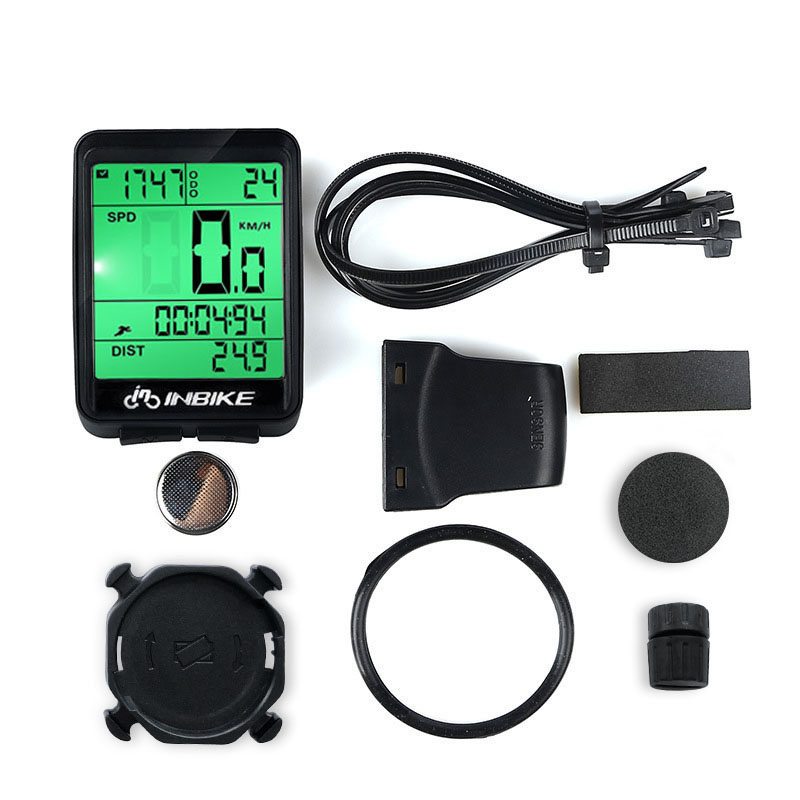
Bicycle Code Meter: Wired & Wireless Mountain Bike Speedometer & Odometer
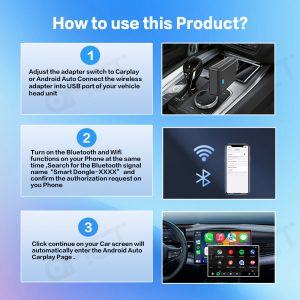
Seamless Wired to Wireless Vehicle Navigation Upgrade Solutions
Carplay Box Module – Original Wired to Wireless Upgrade for Private Models with Real Projector Function