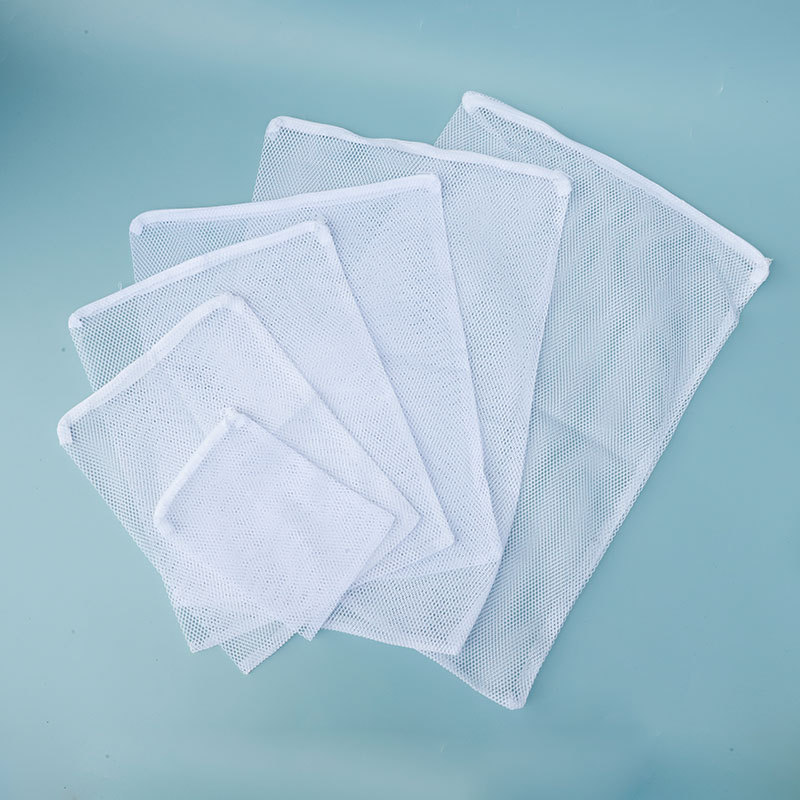
Choosing the right dry bag for fishing can make the difference between a successful day on the water and a soggy disappointment. Imagine reeling in a trophy catch only to find your gear drenched because your bag couldn’t hold up against the elements. Understanding the nuances of size and closure types is essential in selecting a dry bag that will protect your gear and enhance your fishing experience.
Understanding Size
Size matters when it comes to dry bags. A bag that’s too small can leave you scrambling to fit in your essentials, while one that’s excessively large may lead to unnecessary bulk and weight. Consider what you typically take on your fishing trips:
- Small bag (10-20 liters): Perfect for minimalist anglers who only need to carry a few essentials like tackle, snacks, and a first-aid kit.
- Medium-sized bag (20-40 liters): Advisable for those who require more gear—perhaps extra clothing, a camera, or even a lunch.
- Larger bag (40 liters and up): Ideal for a full day on the water with all the gear needed for various fishing conditions, keeping everything organized and accessible.
Types of Closure
Equally important is the type of closure your dry bag features. Roll-top closures are a popular choice among fishermen due to their versatility and reliability. They create a watertight seal when properly rolled down, ensuring that no water seeps in. This type of closure allows for easy access and is adjustable, accommodating different amounts of gear while maintaining a secure seal.
Zippered closures, while convenient, can be more prone to leaks if not designed specifically for waterproofing. If you lean towards a zippered option, look for bags with heavy-duty waterproof zippers and a protective flap to prevent water ingress. Some bags even combine both closures, providing the best of both worlds.
Choosing the Right Bag for Your Environment
When choosing your dry bag, consider the fishing environments you frequent:
- If you often fish in rough waters or rain, a more robust bag with a roll-top closure might be your best bet.
- For calmer conditions, a lightweight, zippered bag could suffice, allowing for easy access to your gear without the hassle of rolling and unrolling.
Conclusion
Ultimately, the right dry bag will not only safeguard your belongings but also enhance your overall fishing experience. Picture yourself out on the water, casting lines without worry, knowing your gear is protected from the elements. Invest in a quality dry bag that meets your size needs and features a reliable closure, and you’ll find that your fishing adventures become even more enjoyable. Don’t let a soggy bag ruin your day—choose wisely and fish with confidence!
Related products
Portable Wild Fishing Drawstring Bag – Durable Grain Wheat Fishnet with Encryption Mesh & Oxford Cloth Edge for Mini Fish Protection
Premium Fishing Tackle Bag – Durable, Spacious & Perfect for Anglers

Durable Stainless Steel Fishing Tackle Bag for Anglers and Outdoor Enthusiasts