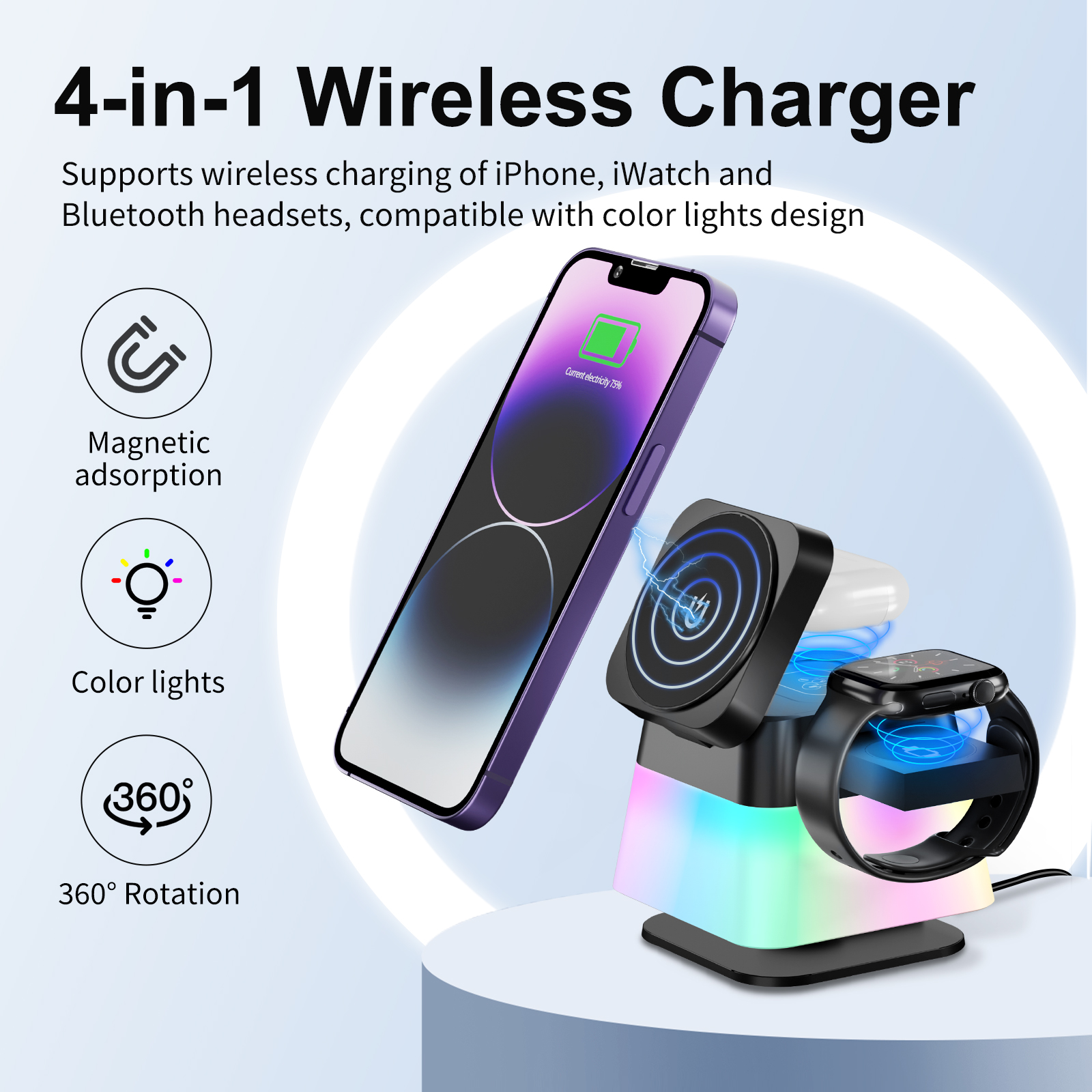
Choosing the right fast charger can feel like navigating a minefield, especially with the rising concerns around device overheating. The last thing you want is to compromise your device’s safety for the sake of speed. Fortunately, a strategic approach can lead you to a fast charger that delivers both efficiency and safety.
Safety Certifications
First and foremost, ensure that the charger is certified by recognized safety standards. Look for labels such as UL, CE, or FCC, which indicate that the charger has passed rigorous testing. This certification is not just a mark of quality; it’s your first line of defense against overheating.
Wattage Output
Next, consider the wattage output. A charger that aligns with your device’s specifications will significantly reduce the chances of overheating. For instance, using a 65W charger for a device that only requires 18W can generate excess heat. Always match your charger’s output to your device’s requirements to ensure a harmonious charging relationship.
Built-in Safety Mechanisms
Another critical feature to look for is built-in safety mechanisms. Many modern chargers come equipped with:
- Overcurrent protection
- Overvoltage protection
- Short-circuit protection
These features work behind the scenes to monitor the charging process, adjusting power delivery and preventing potential hazards. Investing in a charger with these safeguards can bring peace of mind.
Cable Quality
Don’t overlook the importance of cable quality. The charging cable you use plays a significant role in heat management. High-quality cables are designed to handle the power flow without excessive heat buildup. Opt for cables that are reinforced, preferably those that meet the USB-IF (USB Implementers Forum) standards, ensuring they can safely support fast charging.
Material and Design
Consider the material and design of the charger as well. Chargers made from heat-resistant materials, like polycarbonate or aluminum, can dissipate heat more effectively than those made from cheaper plastics. Additionally, chargers with ventilation holes or a design that allows for airflow can further reduce overheating risks.
Monitoring Your Device
Lastly, always monitor your device during charging. If you notice excessive heat or unusual behavior, discontinue use immediately. Investing in a reliable fast charger is only part of the equation; being vigilant about your device’s performance is equally crucial.
Conclusion
By following this safety checklist, you can confidently select a fast charger that not only meets your speed needs but also safeguards your device from overheating. Embrace the power of fast charging without the anxiety—choose wisely and enjoy the benefits of efficient charging!
Related products
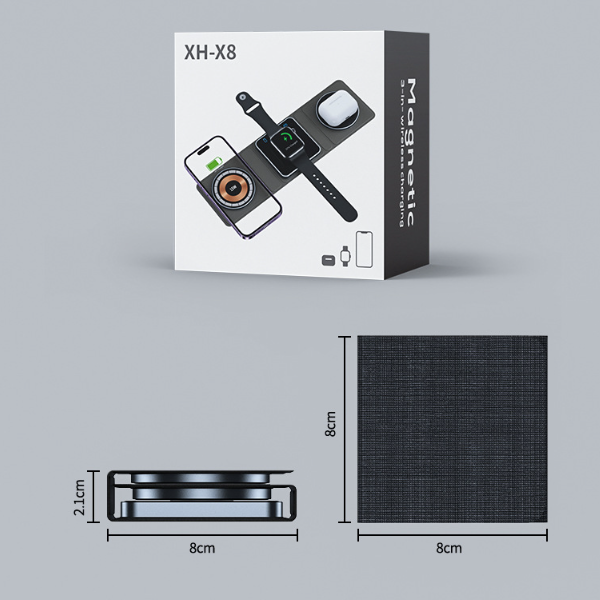
3-in-1 Magnetic Folding Wireless Charger Station for iPhone – Fast Charging for iWatch & AirPods with Transparent Design
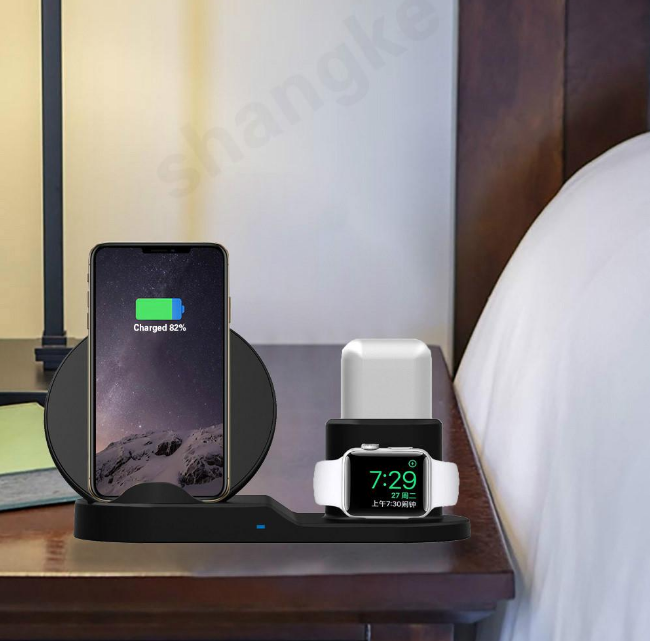
3-in-1 Wireless Charger Compatible with Apple Devices – Fast & Convenient
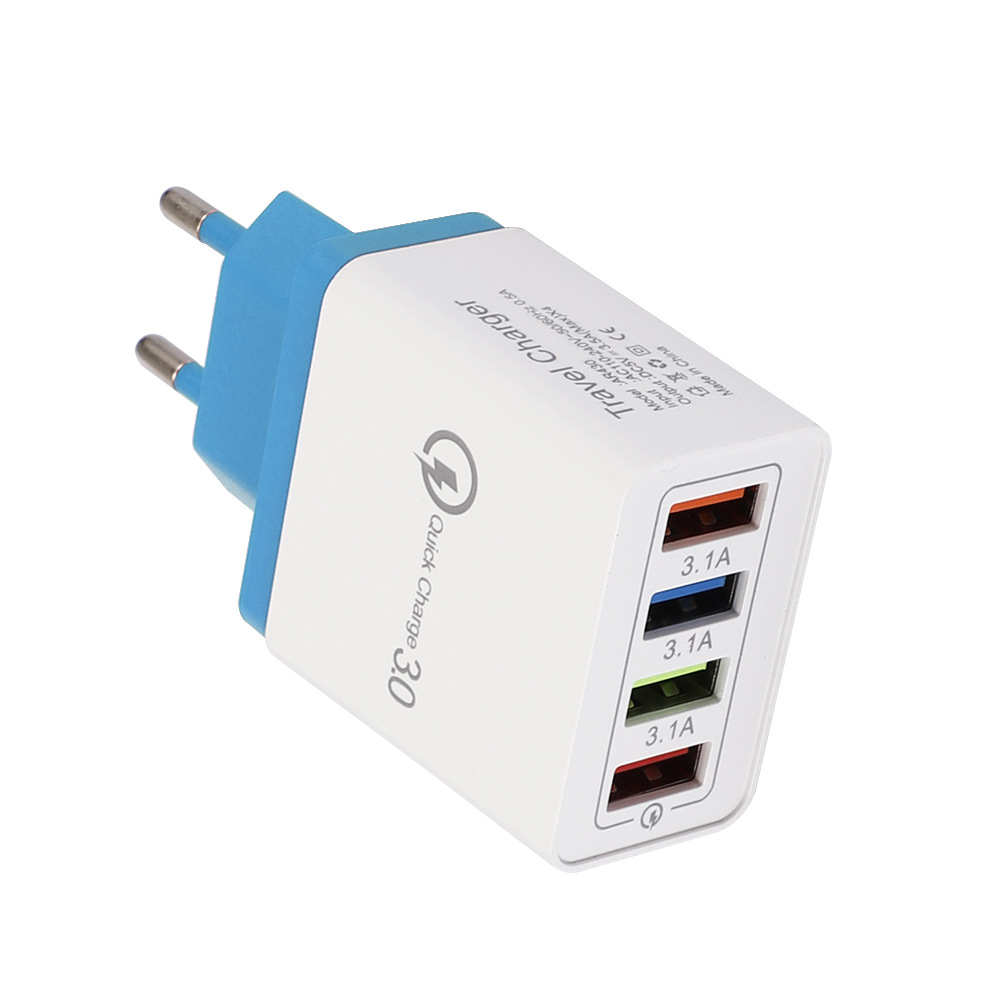
USB Charger Quick Charge 3.0 – 4-Port Fast Mobile Adapter for Tablets & Phones