Embarking on your fly fishing journey can be an exhilarating experience filled with the promise of tranquil waters and the thrill of the catch. However, selecting the right fly fishing setup can feel overwhelming for newcomers. With a myriad of options available, it’s crucial to understand the essentials that will set you up for success without breaking the bank.
Understanding Your Target Fish
First and foremost, consider the type of fish you want to catch. Different species require different gear. If you’re aiming for trout, a lightweight setup will do wonders, while larger species like bass or pike may need a sturdier rod and reel. Researching the local waters will give you insight into what’s biting and help tailor your setup accordingly.
Choosing the Right Rod
Next, focus on the rod. A good fly rod for beginners is typically around 9 feet long and rated for a 5 or 6 weight line. This versatile length allows for ease of casting in various conditions, making it an ideal choice for those just starting out. Look for rods made from materials like graphite or fiberglass, as they offer a great balance of durability and performance. Brands like Orvis and Redington offer excellent beginner options that won’t disappoint.
The Importance of the Reel
The reel is another critical component of your setup. Choose a reel that matches your rod’s weight and line. A simple, reliable fly reel with a smooth drag system will help you manage your catch effectively. Consider a sealed drag system if you plan on fishing in saltwater or heavy freshwater environments. Lightweight options from brands like Pflueger or Okuma can provide the performance you need at a reasonable price.
Fly Line Essentials
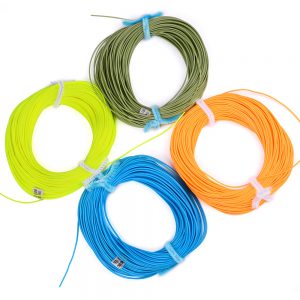
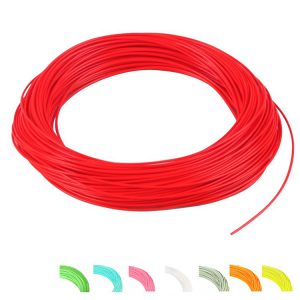
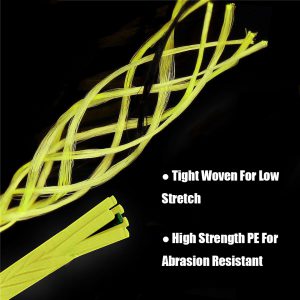
Don’t overlook the importance of fly line. A weight-forward floating line is a fantastic starting point for beginners, as it aids in casting and allows for versatile fishing techniques. Pairing your line with the right backing and leader line is essential for a successful day on the water. Look for pre-spooled lines to save time and hassle.
Selecting the Right Flies
Lastly, invest in a selection of flies that are suitable for your local waters. Dry flies, nymphs, and streamers each serve unique purposes and can attract different species of fish. A basic fly box filled with a variety of these options will give you the flexibility to adapt to changing conditions and fish behavior. Local fly shops can provide invaluable advice on which flies are currently effective.
Conclusion
Choosing your fly fishing setup doesn’t have to be a daunting task. By focusing on the basics—rod, reel, line, and flies—you can build a solid foundation for your fly fishing adventures. With quality gear in hand, you’ll be well on your way to creating unforgettable memories on the water. So, gather your essentials, embrace the tranquility of nature, and let the thrill of the catch ignite your passion for fly fishing!