Selecting the right fishing gear can be the difference between a successful day on the water and coming home empty-handed. Among the various tools at an angler’s disposal, the swing-head jig stands out as a versatile and effective option. Understanding how to choose the right swing-head jig and knowing when to deploy it can elevate your fishing game to new heights.
Choosing the Right Swing-Head Jig
Body Type
First, consider the body type of the jig. Swing-head jigs come in various designs, from streamlined to bulky, each serving a distinct purpose:
- Streamlined jigs: Excel in deeper waters and swift currents, enabling you to cover more ground quickly.
- Bulkier designs: Perfect for enticing fish hiding among rocks or vegetation, as they create a more pronounced disturbance in the water, drawing fish in.
Always match the jig’s body type to your fishing environment for optimal results.
Weight
Next, pay attention to the weight. The weight of your swing-head jig should be tailored to the conditions you’re fishing in:
- Heavier jigs: Ideal for deep water, where the jig needs to reach the bottom quickly.
- Lighter jigs: Work better in shallow waters or when you want to create a more subtle presentation.
Knowing the water depth and current speed can guide you in selecting the perfect weight, ensuring that your jig stays in the strike zone long enough to attract attention.
Color
Color is another crucial factor. Bright colors can be incredibly effective in murky water or during low-light conditions, while natural colors tend to work best in clear water. Think about the forage in the area. Matching the jig color to the local baitfish can be a game-changer. A keen eye for detail in this regard can lead to more bites and, ultimately, more catches.
Hook Type
When it comes to the type of hook, choose one that complements your fishing style:
- Wide-gap hooks: Ideal for larger baits and can help secure a better hook-up ratio, particularly when targeting larger fish species.
- Compact hooks: Better for finesse presentations, allowing for a more subtle approach that can entice finicky fish.
Timing
Timing your jig’s deployment is equally important. Swing-head jigs shine during various seasons but are particularly effective in the spring and fall when fish are actively feeding. Utilize them during low-light conditions, such as early morning or late evening, when fish are more likely to venture into shallower waters. Additionally, targeting areas with structure, such as:
- Drop-offs
- Submerged rocks
- Brush piles
can significantly increase your chances of a successful catch.
Versatility of Swing-Head Jigs
The versatility of the swing-head jig is unmatched. It allows for different retrieval techniques—whether you prefer a slow drag along the bottom or a more aggressive hop-and-drop approach. Experimenting with your retrieval style can unveil what the fish are responding to on any given day.
Conclusion
In conclusion, choosing the right fishing swing-head jig involves a thoughtful consideration of body type, weight, color, hook type, and timing. Embrace the versatility that these jigs offer, and don’t hesitate to experiment with different techniques. With the right swing-head jig in your tackle box, you’re well on your way to transforming your fishing experiences into thrilling adventures filled with successful catches. So gear up, hit the water, and let the fish know you mean business!
Related products
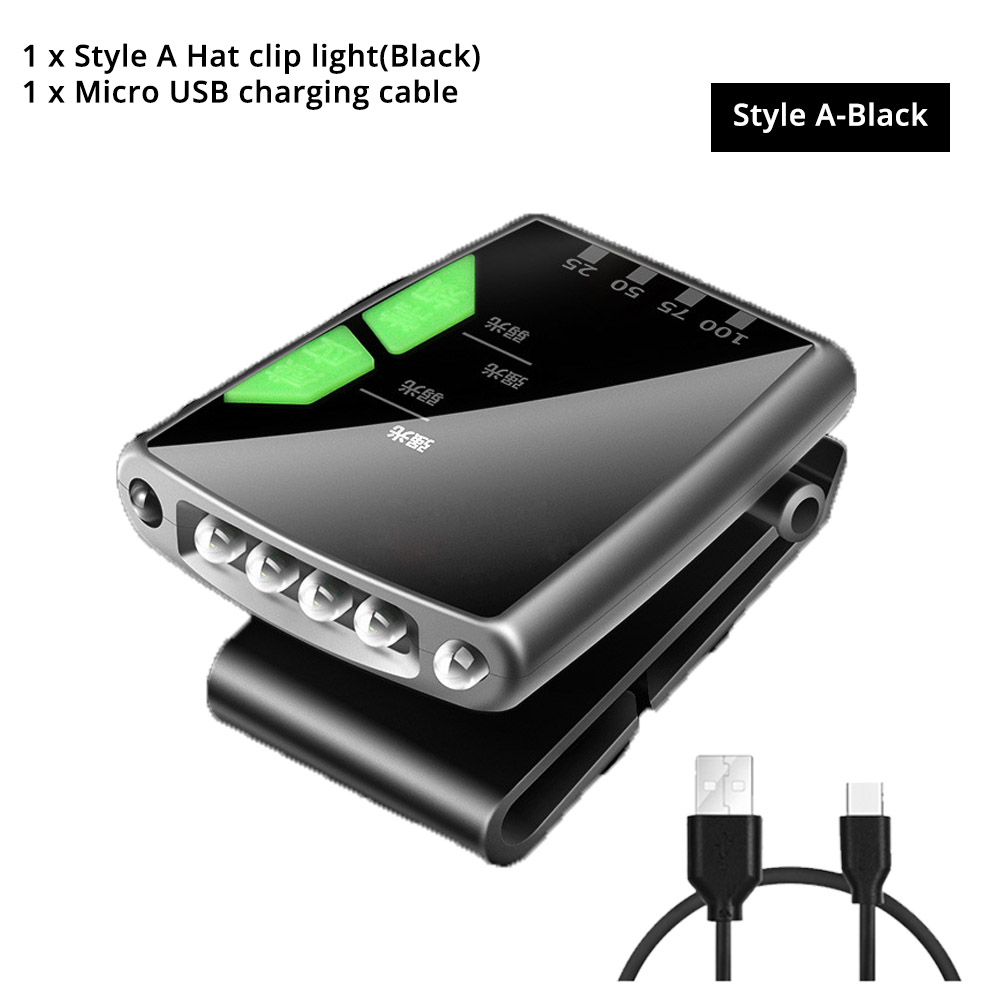
USB Rechargeable Fish Head Lamp for Night Fishing – Glare Clip Cap Light
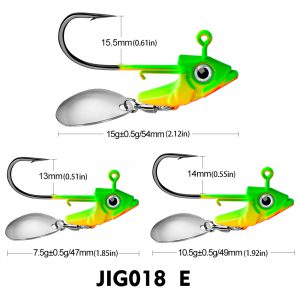
Jig Hook Soft Fish Counterweight for Bottom Fishing – Essential Accessories
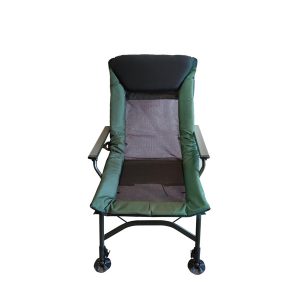
Portable Camping Lounge Chair, Folding Recliner with Adjustable Backrest for Indoor and Outdoor Use – Ideal for Camping, Beach, Hiking, and Fishing