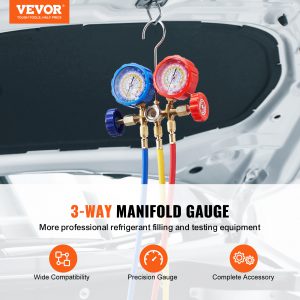
Selecting the right air hoses and fittings is crucial for any project that relies on pneumatic tools. An inadequate choice can lead to frustrating leaks, causing downtime and potentially damaging your equipment. Understanding the intricacies of air hoses and fittings will empower you to make informed decisions that enhance your workflow and prevent costly mistakes.
Pressure Ratings
First, consider the pressure ratings. Air hoses are designed to handle specific pressure levels, so matching the hose to your air compressor’s output is essential. A hose that can’t withstand the necessary pressure not only risks bursting but also creates a dangerous work environment. Ensure you choose a hose with a higher pressure rating than your compressor’s maximum output to guarantee safety and longevity.
Material Considerations
Next, think about the material. Air hoses come in various materials, including:
- Rubber: Durable and flexible, ideal for heavy-duty applications.
- PVC: Lightweight and resistant to abrasion but may not handle extreme temperatures as well.
- Polyurethane: Known for its kink resistance and flexibility, perfect for intricate setups.
By selecting the right material, you can enhance your operational efficiency and reduce wear and tear.
Importance of Fittings
Fittings are just as important as the hoses themselves. The connection between the hose and the tool or compressor must be secure to prevent leaks. Look for fittings made from high-quality materials like:
- Brass
- Stainless Steel
These materials offer superior durability and corrosion resistance. Additionally, ensure that the fittings are compatible with your hose size and type. An improper fit can lead to air leaks, compromising performance and wasting energy.
Hose Length Considerations
Don’t overlook the importance of hose length. While a longer hose may seem convenient, it can also lead to pressure drops and reduced airflow. Balance your need for reach with the potential for efficiency loss. Opt for a hose length that accommodates your workspace without excess slack, optimizing performance while minimizing the risk of leaks.
Regular Maintenance
Regular maintenance cannot be neglected. Periodically inspect your hoses and fittings for signs of wear, such as cracks or fraying. A proactive approach will save you from unexpected leaks and extend the lifespan of your equipment. Replace any damaged components immediately to maintain optimal performance.
Investment in Quality
Investing in high-quality air hoses and fittings may seem like a higher upfront cost, but the long-term savings from avoiding leaks and downtime are invaluable. Quality products not only enhance your productivity but also ensure a safer working environment.
Conclusion
Choosing the right air hoses and fittings is a decision that can make or break your pneumatic tool performance. By understanding the specifications, materials, and maintenance needs, you can avoid leaks and ensure your projects run smoothly. Empower yourself with the knowledge to make the best choices, and watch your efficiency soar!
Related products
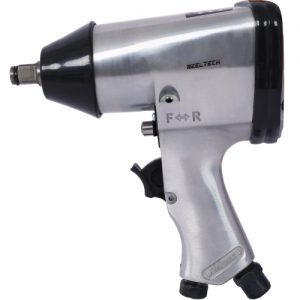
Comprehensive 71-Piece Air Tools & Accessories Kit: Impact Wrenches, Air Ratchets, Die Grinders, Air Hammers, Hose Fittings & Storage Solutions
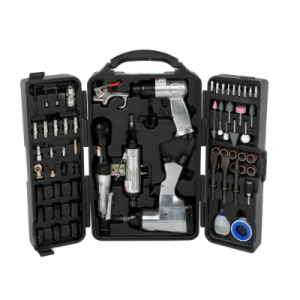
71-Piece Air Tool and Accessory Kit: Impact Wrench, Air Ratchet, Die Grinder, Air Hammer, Hose Fittings & Storage Case
Durable Silicone Toys for Dogs – Boredom Relief Rugby Toy with Food Leaks