Selecting the right handsaw can significantly enhance your woodworking projects, yet many enthusiasts find themselves puzzled by the differences between crosscut and rip saws. Understanding these two types of handsaws is essential for achieving precise cuts and maximizing efficiency in your work.
Crosscut Saws
Crosscut saws are designed for cutting across the grain of the wood. Their teeth are shaped and positioned to create a smooth finish as they slice through fibers, making them ideal for trimming and cross-cutting lumber. If you often find yourself needing to cut boards to length or create clean edges on your projects, a crosscut saw should be your go-to tool.
The sharp, angled teeth of these saws ensure that you achieve a clean cut with minimal splintering, allowing for professional-quality results every time.
Rip Saws
On the other hand, rip saws are engineered specifically for cutting along the grain. Their teeth are more aggressive, resembling a chisel, which allows them to efficiently remove material as they glide through the wood. If your projects involve ripping boards into narrower pieces, a rip saw is essential.
The design of the teeth enables faster cuts, making it a time-saving tool for those larger projects where efficiency is key.
Choosing the Right Saw
When choosing between these two types, consider the nature of your projects:
- If your work often involves detailed joinery or finishing, investing in a high-quality crosscut saw will pay off in terms of precision and aesthetics.
- Alternatively, if you are frequently working with rough lumber and need to break it down quickly, a rip saw will serve you better.
Comfort and Control
The best handsaw for you also depends on the comfort and control it provides. Look for saws with ergonomic handles that fit well in your hand, ensuring a secure grip during use. A well-balanced saw not only reduces fatigue but also enhances accuracy, allowing you to make confident cuts.
Conclusion
In conclusion, knowing how to choose between a crosscut and a rip saw can elevate your woodworking experience. Both types have unique advantages that cater to different cutting needs. By investing in the right handsaw for your specific tasks, you’ll find that your projects become more enjoyable, efficient, and ultimately, more rewarding.
Whether you’re an amateur woodworker or a seasoned pro, selecting the right tool can transform your craft and help you achieve exceptional results. Don’t settle for anything less than the best; choose wisely and watch your woodworking skills soar!
Related products
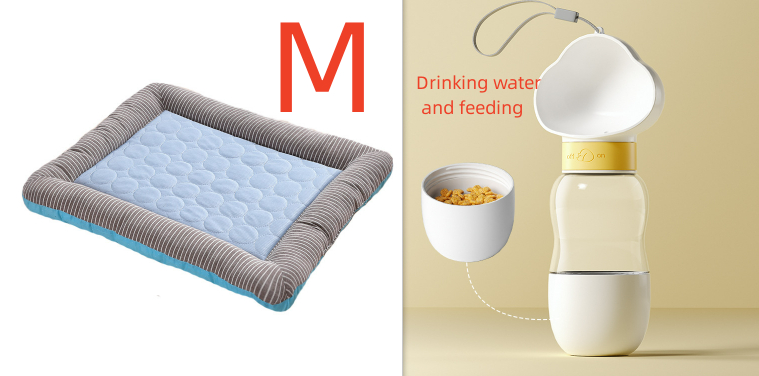
Cooling Pad Bed for Dogs & Cats – Soft Ice Silk Mat for Summer Comfort, Blue Breathable Pet Blanket

2 In 1 Dog and Cat Bed – Cozy Round Plush Winter Bed House for Pets

Dog Car Seat Cover – Mesh Pet Carrier Hammock Safety Protector for Rear Seat with Zipper & Pocket – Ideal for Travel