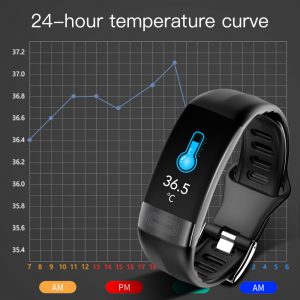
When it comes to cycling, every heartbeat counts. The right heart rate monitor can be the difference between a personal best and a lackluster performance. As you gear up for your next ride, the choice between a chest strap and an armband monitor emerges as a pivotal decision. Let’s dive into the specifics, advantages, and suitability of each option to help you make an informed choice.
Chest Straps: The Gold Standard
Chest straps have long been the gold standard in heart rate monitoring. Designed for accuracy, these devices sit snugly around your chest, directly over your heart. This positioning allows them to capture real-time data with remarkable precision. For cyclists serious about performance, the chest strap offers consistent readings that can be crucial for training in specific heart rate zones. Many models even come equipped with Bluetooth or ANT+ connectivity, allowing seamless integration with cycling computers and apps for comprehensive data analysis.
Advantages of Chest Straps
- High accuracy in heart rate monitoring
- Consistent readings for training
- Compatibility with cycling computers and apps
Drawbacks of Chest Straps
However, the chest strap isn’t without its drawbacks. Some riders find them uncomfortable, especially on longer rides. The added pressure and potential for chafing can detract from the cycling experience. If you prioritize comfort alongside accuracy, you might want to consider the armband alternative.
Armband Monitors: Comfort and Convenience
Armband heart rate monitors are increasingly popular for their convenience and comfort. Worn on the upper arm, these monitors eliminate the constriction of a chest strap while still providing reasonably accurate heart rate data. Many cyclists appreciate the freedom of movement an armband offers, making it a preferred choice for casual riders or those who may not be as concerned about minute accuracy.
Advantages of Armband Monitors
- Comfortable and easy to wear
- Freedom of movement
- Reliable readings with optical sensors
- Longer battery life and quick charging capabilities
Making Your Choice
The decision ultimately hinges on your cycling style and goals. If you’re a competitive cyclist or someone who thrives on data-driven training, a chest strap might be your best bet. It delivers the reliability needed to push your limits. On the other hand, if you seek comfort and ease of use, an armband could be the perfect fit, allowing you to focus on enjoying the ride rather than adjusting your gear.
Compatibility Considerations
Consider also the compatibility of the monitor with your existing tech. Many cyclists today rely on smartwatches or cycling computers, so ensuring that your chosen heart rate monitor can sync seamlessly with these devices is crucial. Whether you opt for a chest strap or an armband, look for models that offer a robust app or software for tracking your progress, setting goals, and analyzing your performance post-ride.
Conclusion
In the end, the choice between a chest strap and an armband heart rate monitor boils down to personal preference and riding style. Test out different models if you can, and pay attention to what feels right during your rides. The most effective heart rate monitor is the one that not only meets your technical needs but also enhances your cycling experience. So gear up, choose wisely, and let every heartbeat guide you towards your cycling goals!
Related products
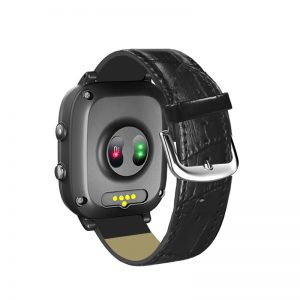
Elderly Phone Watch with GPS Tracking | Anti-Lost Smart Watch for Seniors | Fall Detection, Heart Rate, and Blood Pressure Monitor
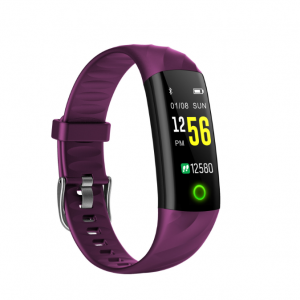
Advanced S5 Smart Bracelet: Waterproof Heart Rate Monitor & Step Counter with Intelligent Breathing and Information Alerts
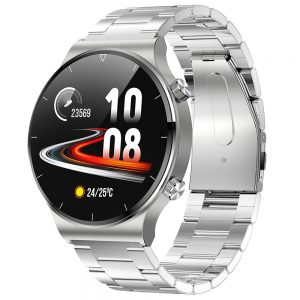
Waterproof Smart Watch with Blood Pressure, Oximeter, and Heart Rate Monitor