Finding the perfect harness for your pet can feel like searching for a needle in a haystack, especially when comfort is a top priority. A harness that rubs can lead to chafing, irritation, and a thoroughly unhappy pet. The key to a great fit lies in understanding how to evaluate size and padding. Let’s dive into the essential elements that will ensure your furry friend enjoys every adventure without discomfort.
Measuring Your Pet
First and foremost, take accurate measurements of your pet. Use a flexible tape measure to determine the girth around the widest part of their chest and the neck circumference. This step is crucial because many harnesses come in different sizes, and a snug fit is vital for preventing rubbing. If your pet falls between sizes, opting for the larger size is often wise, as you can adjust the straps for a better fit.
Design Considerations
Next, consider the design of the harness. Look for options that distribute pressure evenly across the body rather than concentrating it on one area. A well-designed harness should have:
- Adjustable straps that allow you to customize the fit.
- Features that accommodate unique body shapes or pets that tend to wiggle.
A harness that fits correctly will not only prevent rubbing but also provide a sense of security for your pet.
Importance of Padding
Padding is another critical factor. A harness with soft, breathable padding can make all the difference in your pet’s comfort level. Look for materials that are gentle on the skin and provide ample cushioning around areas prone to chafing, such as:
- The chest
- Under the arms
High-quality padding will not only enhance comfort but also help absorb any impact during walks or runs, reducing the risk of irritation.
Material Matters
Don’t overlook the importance of the harness’s material. Opt for durable, lightweight materials that can withstand the rigors of daily use while remaining comfortable against your pet’s skin. Breathable fabrics are particularly beneficial during warmer months, helping to keep your pet cool and preventing excess moisture that can lead to rubbing.
Testing the Harness
Finally, always test the harness before committing to it. Allow your pet to wear the harness for a short period in a controlled environment. Observe their behavior and check for any signs of discomfort, such as:
- Pulling away
- Excessive scratching
A harness should feel like a second skin—secure but not constricting.
Conclusion
Choosing the right harness is more than just a fashion statement; it’s about ensuring your pet’s happiness and well-being. By focusing on fit, padding, and material, you can find a harness that not only looks great but also provides the ultimate comfort. Say goodbye to rubbing and hello to joyful walks and adventures with your beloved companion!
Related products
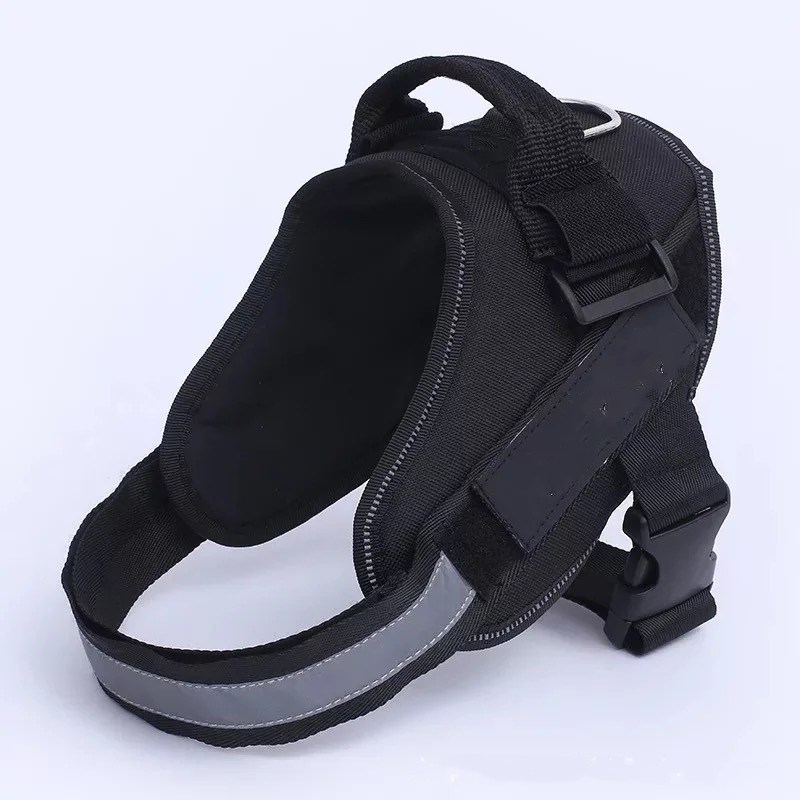
Premium Dog Harness for Ultimate Comfort and Control – Adjustable Fit
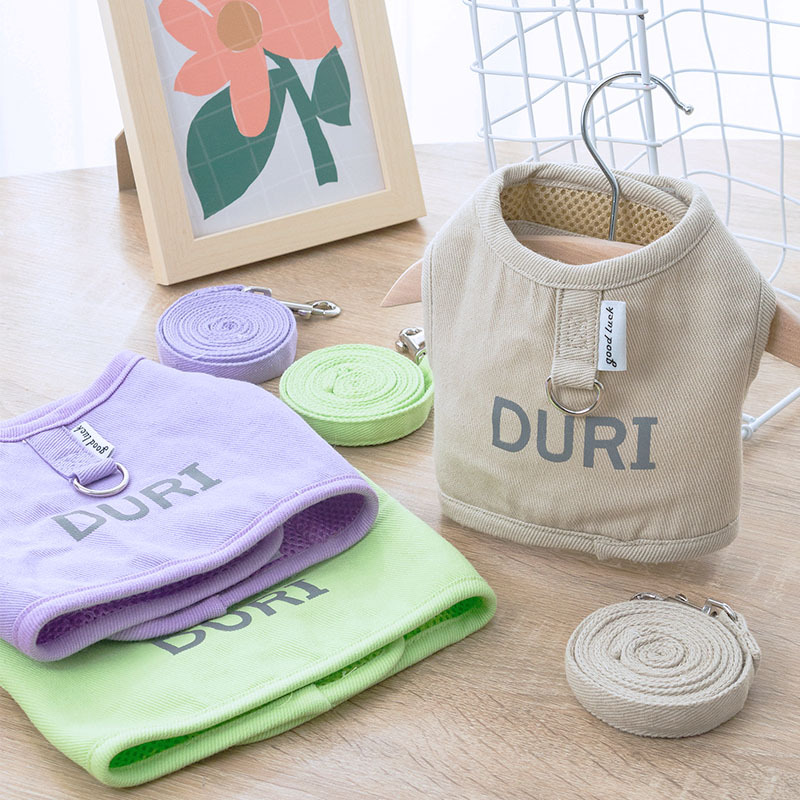
Premium Dog Harness and Leash Set – Woven Fabric Vest for Small & Medium Dogs, Ideal for Cats and Puppies, Perfect Pet Outfit for Traction
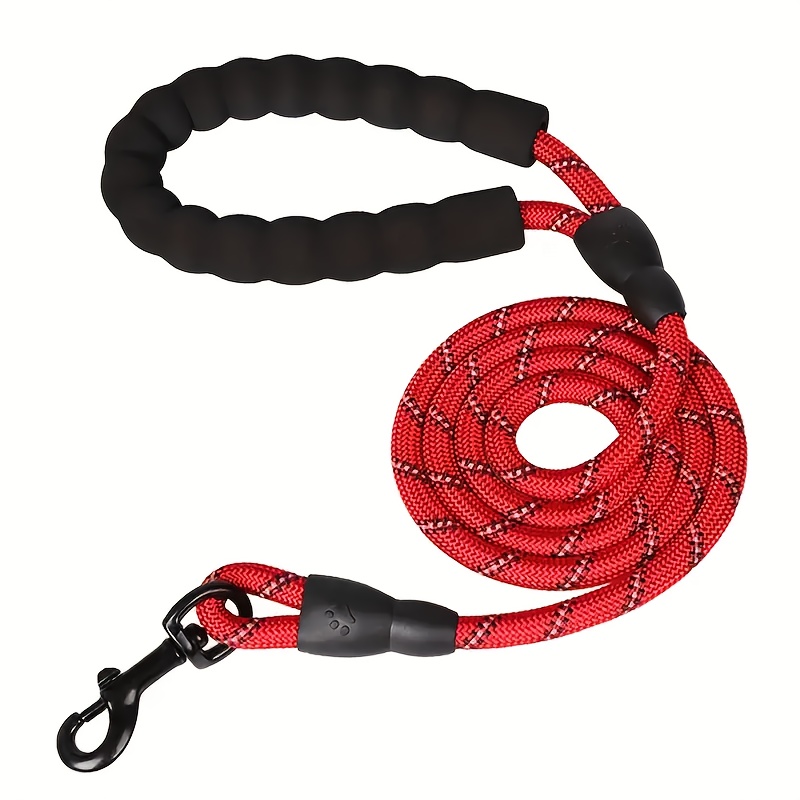
Adjustable Elastic Dog Leash & Harness for Jogging – Padded Handle, Reflective Waist Rope, Perfect for Training and Running with Your Puppy