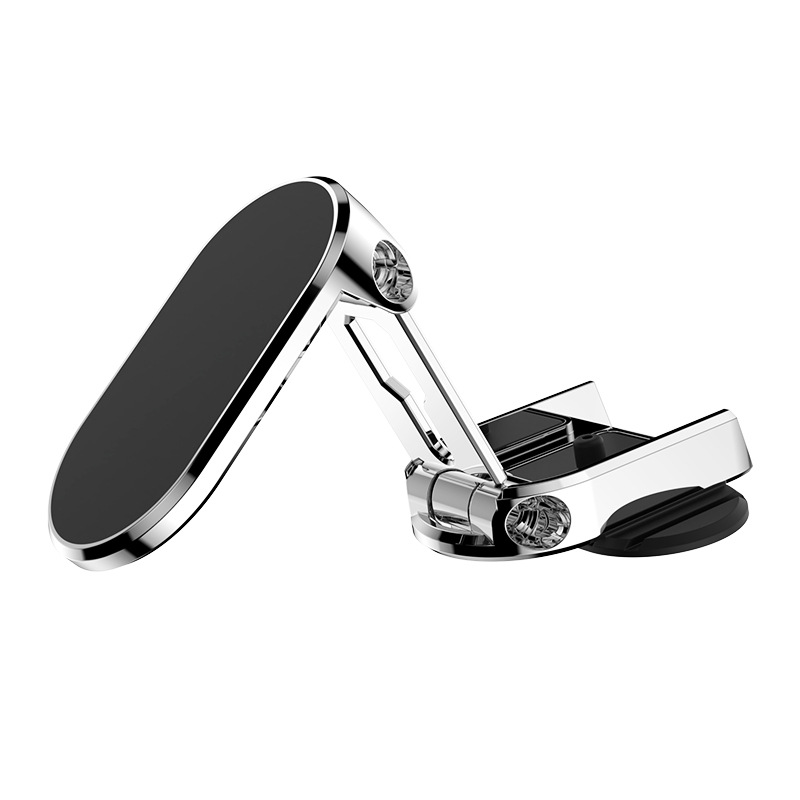
When hitting the open road on two wheels, having the right navigation setup can make all the difference between a smooth ride and a frustrating detour. Choosing between a smartphone and a dedicated GPS unit is crucial for any motorcyclist seeking adventure. Each option offers unique benefits, and understanding these can enhance your riding experience significantly.
Smartphones: The Versatile Navigation Tool
Smartphones have revolutionized the way we navigate. With a plethora of apps designed specifically for motorcyclists, your phone can transform into a powerful navigation tool. These apps often come loaded with features like:
- Real-time traffic updates
- Route customization
- Points of interest
Imagine cruising along a scenic route and discovering a hidden café or a breathtaking lookout point, all thanks to your phone’s smart capabilities. The convenience of having your navigation device integrated into your phone means you can easily access other essential functions like music, calls, and messages, keeping you connected while on the road.
Limitations of Smartphones
However, while smartphones are versatile, they do come with limitations:
- Battery life can be a concern, especially on long rides.
- The bright screen may become difficult to read under direct sunlight.
- The risk of damage from weather elements or vibrations is higher.
For those who value durability and reliability, a dedicated GPS unit may be the better choice.
Dedicated GPS Units: Built for the Road
GPS units designed for motorcycles are built tough, often featuring:
- Weatherproof casings
- Rugged mounts that can withstand the harshest conditions.
These devices typically offer larger screens that are easier to read at a glance, even in bright sunlight. Many models include specialized features tailored for motorcyclists, such as:
- Winding road routing, which guides you through scenic paths rather than boring highways.
Plus, with built-in long-lasting batteries, you can ride worry-free, knowing your navigation won’t give out halfway through your journey.
Cost Considerations
Cost is another factor to consider. While a high-quality GPS unit may come with a higher upfront investment, it often pays off in longevity and reliability. On the other hand, if you already have a smartphone, using it for navigation can save you money initially. However, you may find yourself investing in additional accessories like:
- Waterproof cases
- External battery packs
to optimize your smartphone’s performance on the road.
Making the Choice
Ultimately, the choice between a smartphone and a GPS unit boils down to personal preference and riding style. If you’re an occasional rider who enjoys short trips and values multi-functionality, your smartphone might be the ideal solution. For the serious adventurer who tackles long-distance rides, a dedicated GPS unit could be your best companion.
Conclusion
In the end, both options have their merits. Consider your riding habits, budget, and the features that matter most to you. Whether you choose the versatility of a smartphone or the rugged reliability of a GPS unit, having a reliable navigation setup will ensure that every ride is an adventure worth remembering. So gear up, choose your navigation system wisely, and let the open road guide you to your next thrilling destination!
Related products
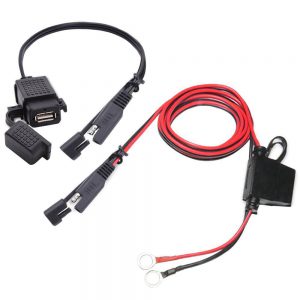
SAE to Motorcycle USB Adapter for Phone GPS Charging – Reliable & Efficient
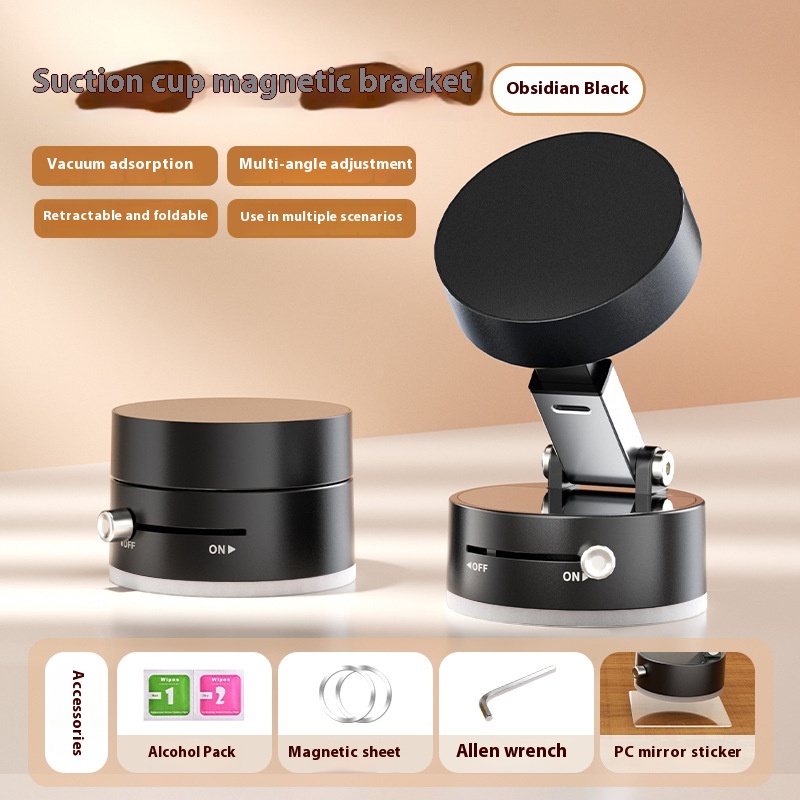
Foldable Magnetic Vacuum Car Phone Holder – Hands-Free Suction Cup Navigation for Smartphones
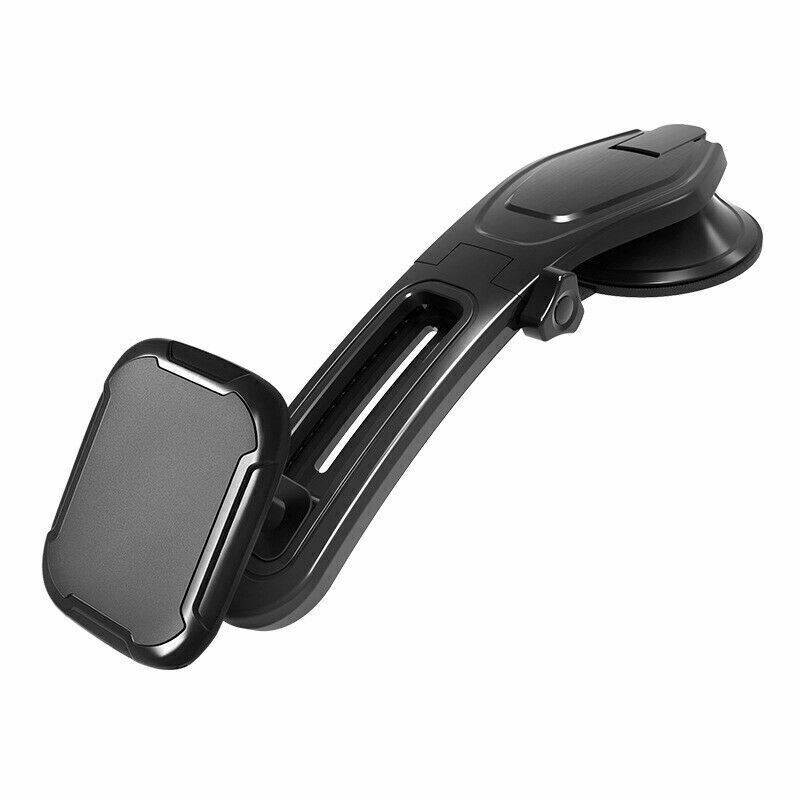
360° Rotatable Phone Mount for Car Dashboard – Adjustable Gravity GPS Stand, Universal Rotating Car Phone Holder, Auto Accessories for Ultimate Convenience