
Choosing the right paint scraper can make all the difference between a frustrating task and a smooth, efficient project. With a multitude of options available, understanding the key elements—blades and handles—will empower you to make an informed decision that elevates your painting experience.
Understanding Blade Types
Start with the blade. Paint scrapers come equipped with various blade materials, each tailored for specific tasks. Stainless steel blades are the workhorses of the trade; they resist rust and maintain a sharp edge, making them ideal for heavy-duty scraping. On the other hand, plastic blades are gentle on surfaces and perfect for delicate jobs where you want to avoid scratches. Consider the project at hand—if you’re dealing with layers of old paint, a sturdy stainless steel blade will tackle the job efficiently, while a plastic option is great for newer surfaces.
Blade Width Considerations
Next, focus on the blade width. Wider blades cover more area, speeding up the scraping process, while narrower blades allow for precision in tight corners and intricate designs. If versatility is your goal, look for a scraper that includes interchangeable blades, giving you the flexibility to adapt to any situation with ease.
Importance of the Handle
The handle is equally important in ensuring comfort and control during use. Ergonomically designed handles can prevent hand fatigue, allowing you to work longer without discomfort. Look for a handle that offers a firm grip, especially if you anticipate using the scraper extensively. Rubberized grips are excellent for absorbing vibrations and ensuring a secure hold, even in wet conditions.
Weight and Balance
Don’t overlook the scraper’s weight. A lightweight model might seem appealing for easy maneuverability, but a heavier scraper can provide better leverage and force, making tough jobs feel effortless. Strike a balance based on your strength and the demands of the project.
Safety Features
Safety features should also be on your radar. A scraper with a protective cap can safeguard the blade when not in use, preventing accidents. Additionally, consider a scraper with a retractable blade to enhance safety during storage and transport.
Conclusion
Investing in a high-quality paint scraper is an investment in your craft. Whether you’re a seasoned professional or a DIY enthusiast, the right tools can significantly enhance your results. Take the time to evaluate the blades and handles available; your future projects will thank you for it.
In conclusion, choosing the right paint scraper involves a careful consideration of blade material, width, handle design, weight, and safety features. By understanding these elements, you can select a scraper that not only meets your needs but also enhances your overall painting experience. Dive into your next project equipped with the perfect tool, and watch how seamlessly you can transform surfaces with ease!
Related products
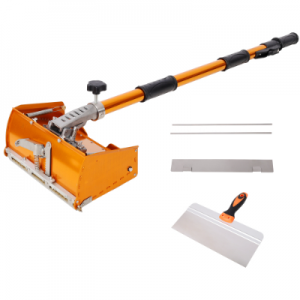
Adjustable Drywall Finishing Tool Plaster Box with Extendable Handle, 1PC Mudguard, 2PCS Stainless Steel Blades & 12-Inch Metal Putty Scraper for Plasterboard and Sheetrock
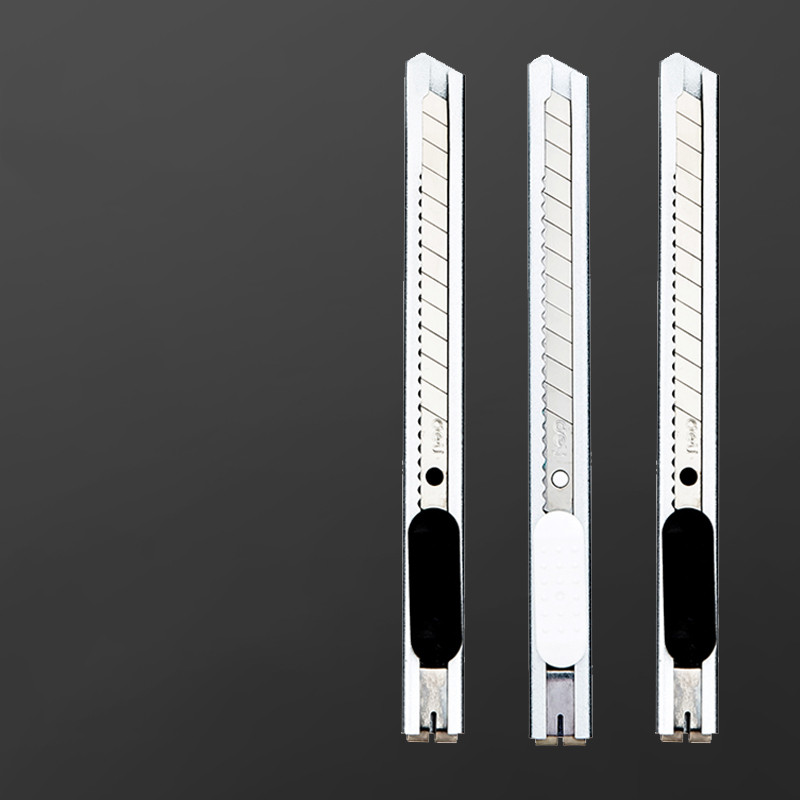
Utility Knife Blades for Art Students – Essential Tools for Creativity

Training Jump Rope Set – Fitness Jump Ropes with Silicone Handles for Men, Women, and Kids, Featuring Adjustable Anti-Tangle PVC Wire and Speed Cordless Ball for Indoor & Outdoor CrossFit Workouts