
Choosing the right point-of-sale (POS) system can make or break your small retail business. It’s not just a tool for processing transactions; it’s the backbone of your operations, helping you manage inventory, customer relationships, and sales data. Selecting the ideal POS system involves understanding your unique business needs and the features that can drive efficiency and growth.
Consider Your Business Type
First, consider the type of business you run. Are you a boutique clothing store, a café, or a tech gadget retailer? Different retail sectors have different needs. Look for a system that offers industry-specific features. For instance:
- A café may benefit from a system that allows for quick order processing and table management.
- A clothing store might need robust inventory management capabilities that can handle variations in size and color.
Ease of Use
Next, think about ease of use. A POS system should streamline your operations, not complicate them. Look for:
- Intuitive interfaces
- Straightforward navigation
This will ensure that your staff can quickly learn how to use it, minimizing training time and reducing the chances of errors during busy periods.
Scalability
Scalability is another critical factor. As your business grows, your POS system should grow with you. Choose a solution that allows you to:
- Add features
- Add locations
- Incorporate e-commerce capabilities
This flexibility can save you both time and money in the long run.
Integration Capabilities
Integration capabilities cannot be overlooked. Your POS system should seamlessly connect with other essential tools, such as:
- Accounting software
- E-commerce platforms
- Customer relationship management (CRM) systems
This integration ensures that you have a unified view of your business, making it easier to analyze performance and make informed decisions.
Payment Options
Moreover, consider the payment options your customers prefer. A modern POS system should support various payment methods, including:
- Credit and debit cards
- Mobile wallets
- Buy-now-pay-later options
Providing multiple payment solutions can enhance customer satisfaction and boost sales.
Customer Support
Customer support is another vital aspect to keep in mind. When technology fails, you need a reliable support team to help you troubleshoot issues quickly. Look for providers that offer:
- 24/7 customer support
- A wealth of resources, such as training videos and user guides
Pricing Structures
Finally, pricing structures can vary significantly among POS systems. Some charge a monthly fee, while others may take a percentage of sales. Analyze your budget and choose a system that aligns with your financial strategy. Remember, the cheapest option may not always be the best choice if it lacks essential features or support.
Conclusion
In conclusion, selecting a POS system for your small retail business requires careful consideration of your unique needs, ease of use, scalability, integration, payment options, customer support, and pricing. By focusing on these essential factors, you can find a POS solution that not only meets your current needs but also positions you for future success. Make the investment wisely, and watch your business thrive!
Related products
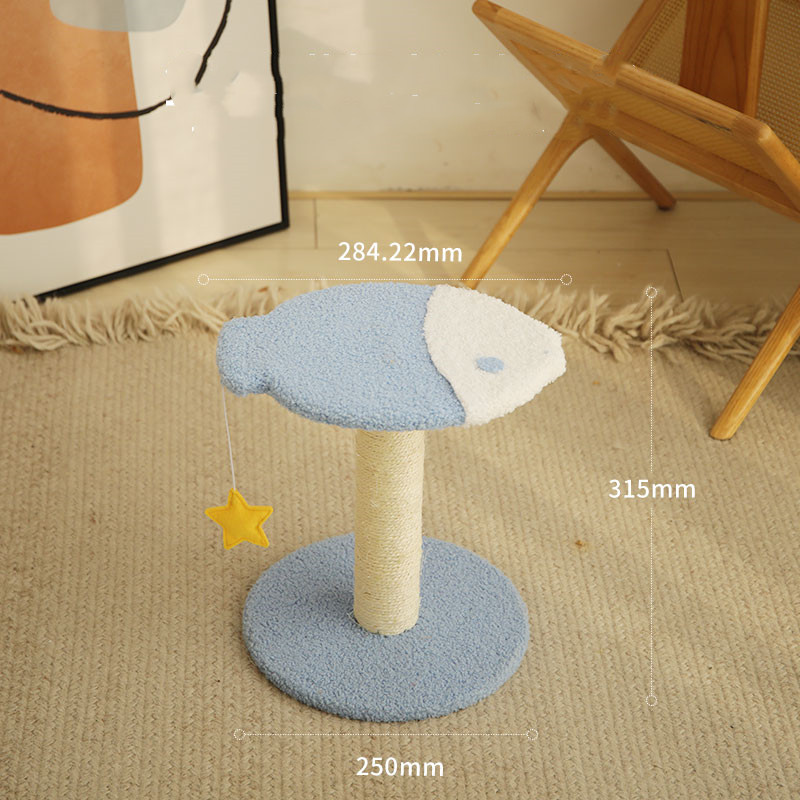
Kitten Cat Climbing Frame & Small Scratching Post with Sisal Scratching Board

Small Cat Nest Hemp Rope Scratching Post with Integrated Chamfer Design
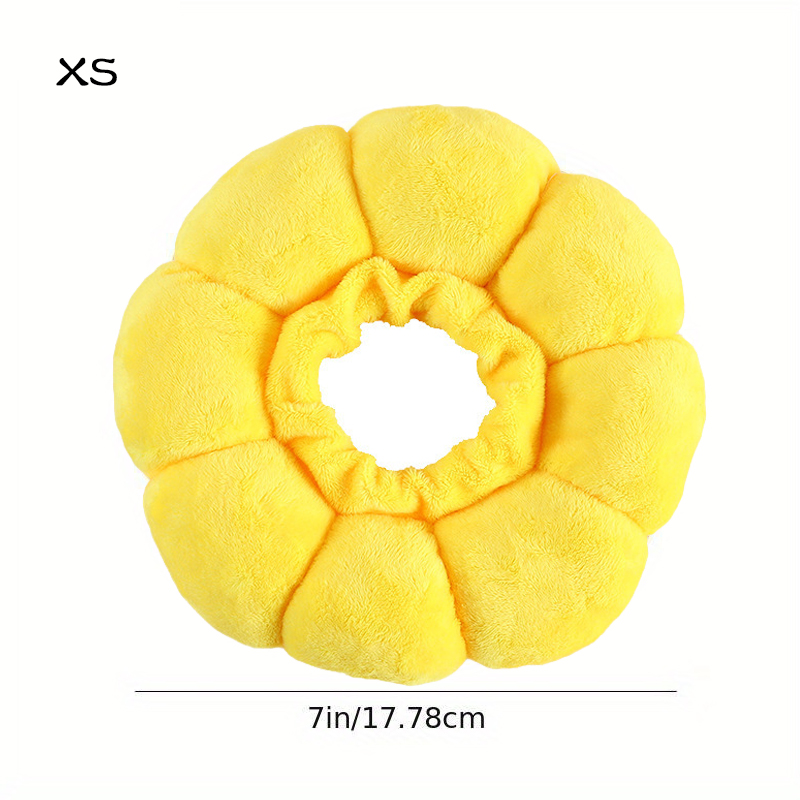
Cat and Small Dog Recovery Collar – Cute Sunflower Neck Cone for Post-Surgery, Adjustable E Collar for Wound Healing, Elizabethan Collars for Small Pets