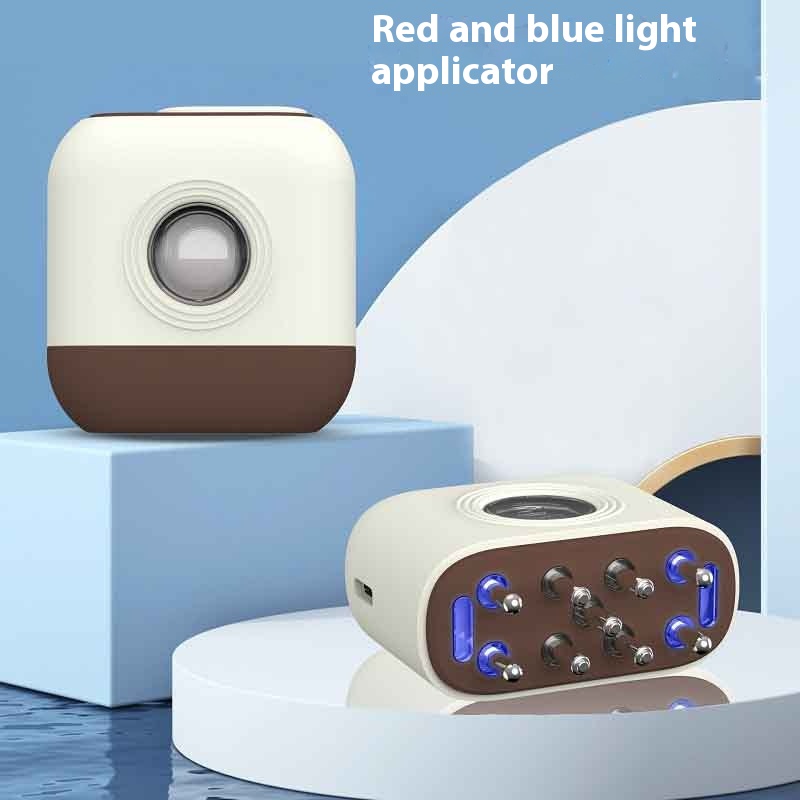
Choosing the right red light therapy device can be a game changer in your quest for wellness and beauty. With an overwhelming array of options on the market, understanding the nuances of wavelength and power is crucial to making an informed decision. The right device can enhance your skin, boost your energy levels, and improve overall health, but how do you know which one to pick?
Understanding Wavelength
Wavelength is the first key factor to consider. Red light therapy typically operates within the range of 600 to 650 nanometers (nm) for red light and 800 to 850 nm for near-infrared light. The specific wavelength impacts how deeply the light penetrates the skin. For skin rejuvenation and acne treatment, devices that emit light in the 630-650 nm range are ideal as they stimulate collagen production and promote healing. If your goal is to target deeper tissues or alleviate muscle pain, look for devices that include near-infrared wavelengths, which penetrate even further into the body.
Evaluating Power
Power is the next critical component. Measured in milliwatts per square centimeter (mW/cm²), the power output of a device determines its effectiveness. Higher power means more energy is delivered to your cells, which can enhance the therapy’s effectiveness. However, it’s essential to strike a balance; devices that are too powerful can cause discomfort or skin irritation.
- A power range of 20-200 mW/cm² is generally considered effective for most applications.
- Evaluate your needs:
- For targeted areas or specific conditions, a higher power device may be warranted.
- Lower power options can be beneficial for general wellness.
Portability and Ease of Use
Portability and ease of use are additional factors that can influence your decision. Many users appreciate devices that fit seamlessly into their daily routines, whether that’s a handheld unit, a full-body panel, or a wearable mask. Consider how often you plan to use the device and where. A compact, easy-to-use option may encourage consistent treatment, maximizing the benefits of red light therapy.
Safety Considerations
Safety is paramount. Look for devices that are FDA-cleared or approved, ensuring they meet safety and efficacy standards. This adds an extra layer of confidence to your purchase and guarantees that you’re investing in a reliable product.
Price and Quality
Price is an inevitable consideration. While it might be tempting to opt for the cheapest option, remember that quality and performance are paramount when it comes to health devices. Investing in a reputable brand that offers a solid warranty and customer support can save you headaches down the line.
User Reviews and Recommendations
Finally, consider user reviews and expert recommendations. Real-world experiences can provide invaluable insights into the effectiveness and durability of a device. Researching customer feedback can guide you toward a product that meets your expectations and needs.
Conclusion
In summary, choosing the right red light therapy device involves understanding the significance of wavelength and power. By considering these factors, alongside usability, safety, price, and user feedback, you can find a device that not only meets your needs but also enhances your overall well-being. Make the leap into the world of red light therapy, and watch as your health and beauty flourish!
Related products
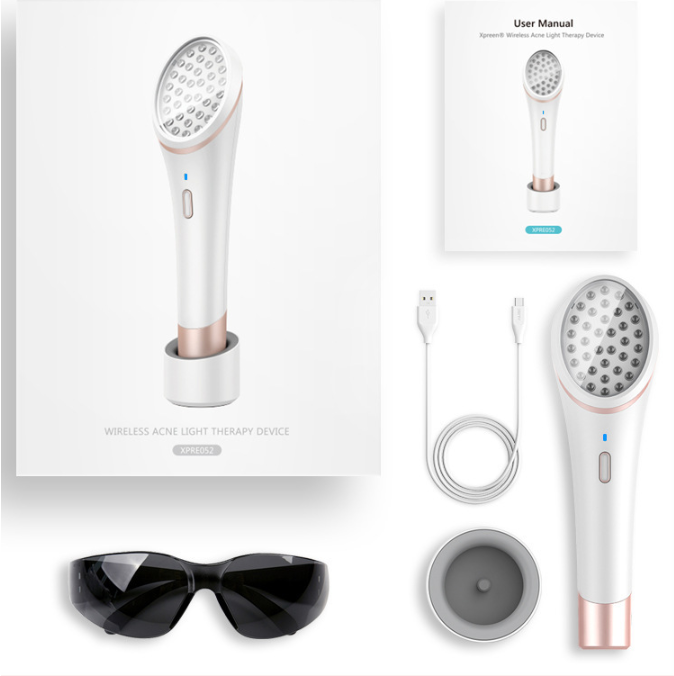
Xpreen Wireless Rechargeable Acne Light Therapy Device – Acne Clearing Eraser with Blue & Red Light Treatment
Xpreen Wireless Rechargeable Acne Light Therapy Device – Blue & Red Light Acne Clearing Eraser
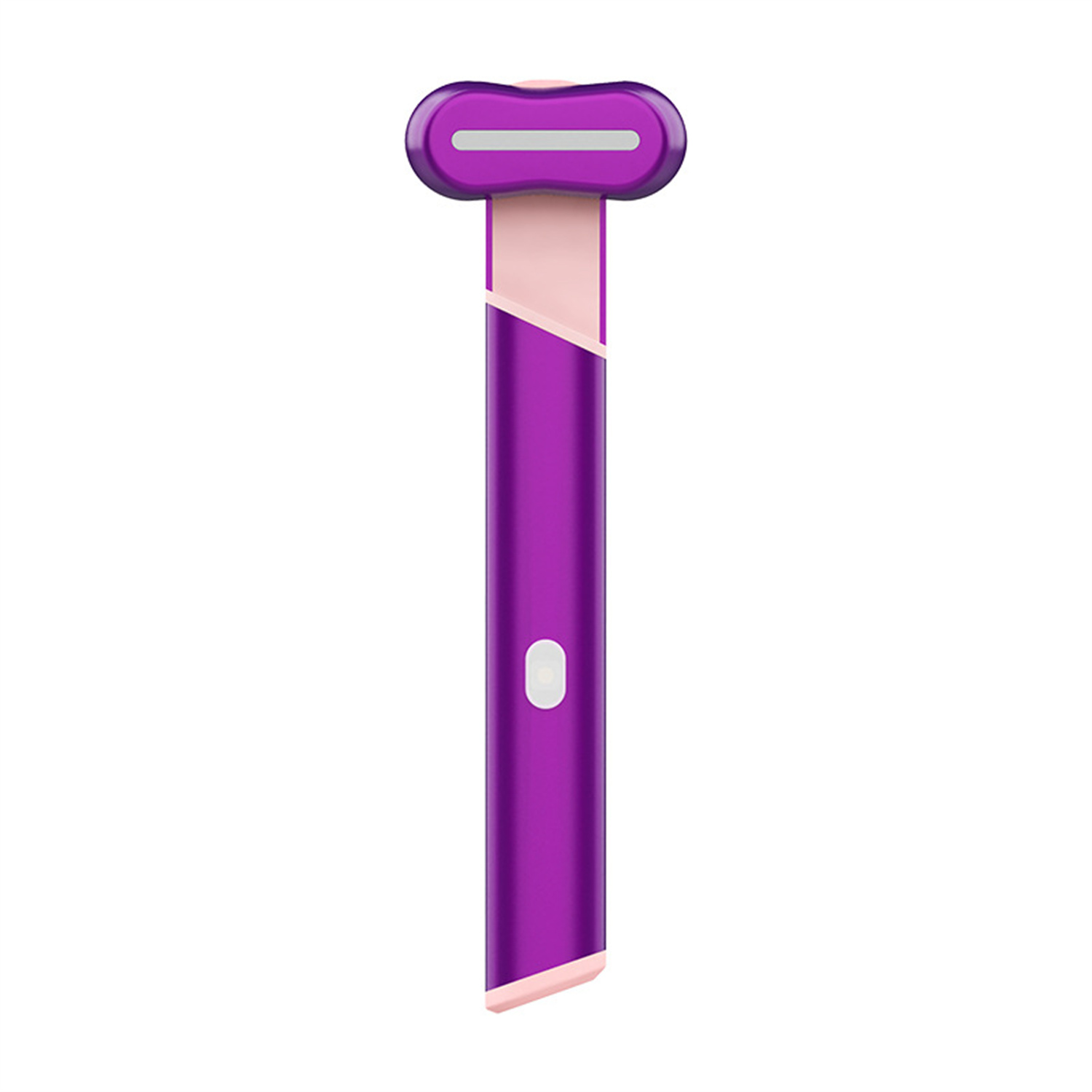
4 Colors Electric Eye Massager – Red & Blue Light Therapy for Eye Beautification & Warm Facial Massage