Selecting the right soccer ball can be the difference between a mediocre game and an exhilarating experience on the pitch. Whether you’re a budding athlete or a seasoned player, understanding the nuances of size and material will elevate your game and ensure you enjoy every kick.
Understanding Soccer Ball Sizes
When it comes to size, soccer balls come in various dimensions, each designed for specific age groups and skill levels. The standard sizes are:
- Size 3: Perfect for younger players under 8, offering a lightweight option that helps with skill development.
- Size 4: Ideal for players aged 8 to 12, providing a balance of control and speed as kids transition into more competitive play.
- Size 5: The official match ball for players 13 and older, designed for optimal performance and durability.
Choosing the correct size not only enhances playability but also helps prevent injuries, ensuring that players can focus on their skills rather than wrestling with an ill-fitting ball.
The Importance of Material
Material plays an equally critical role in how a soccer ball performs. Most soccer balls are constructed from synthetic materials, primarily polyurethane (PU) or PVC. Here’s a quick comparison:
- PU Balls: Softer, provide better touch and control, popular among professional players and serious enthusiasts. They also tend to have better water resistance and maintain their shape over time.
- PVC Balls: Generally cheaper and more durable, but can be heavier and less responsive. Suitable for recreational play, but for those looking to refine their game, investing in a high-quality PU ball can make a significant difference.
Ball Construction Matters
Don’t overlook the importance of the ball’s construction. Look for options that feature:
- Stitched Design: Typically offers durability and a classic feel.
- Thermally Bonded Design: Seamless, providing a more consistent surface and better aerodynamics. This means you can expect fewer erratic bounces and a more predictable trajectory, allowing for precision in your passing and shooting.
Intended Use of the Ball
Additionally, consider the ball’s intended use:
- Training Balls: Designed to withstand heavy use and often come in different materials and construction styles.
- Match Balls: Engineered for top performance, with a focus on flight stability and feel. If you’re serious about improving your game, a dedicated match ball can provide the edge you need on the field.
Conclusion
In summary, choosing the right soccer ball is not just about aesthetics; it’s a strategic decision that can enhance your skills and enjoyment of the game. By considering size, material, construction, and intended use, you can select a ball that meets your needs and maximizes your performance. Invest wisely, and watch as your game reaches new heights!
Related products
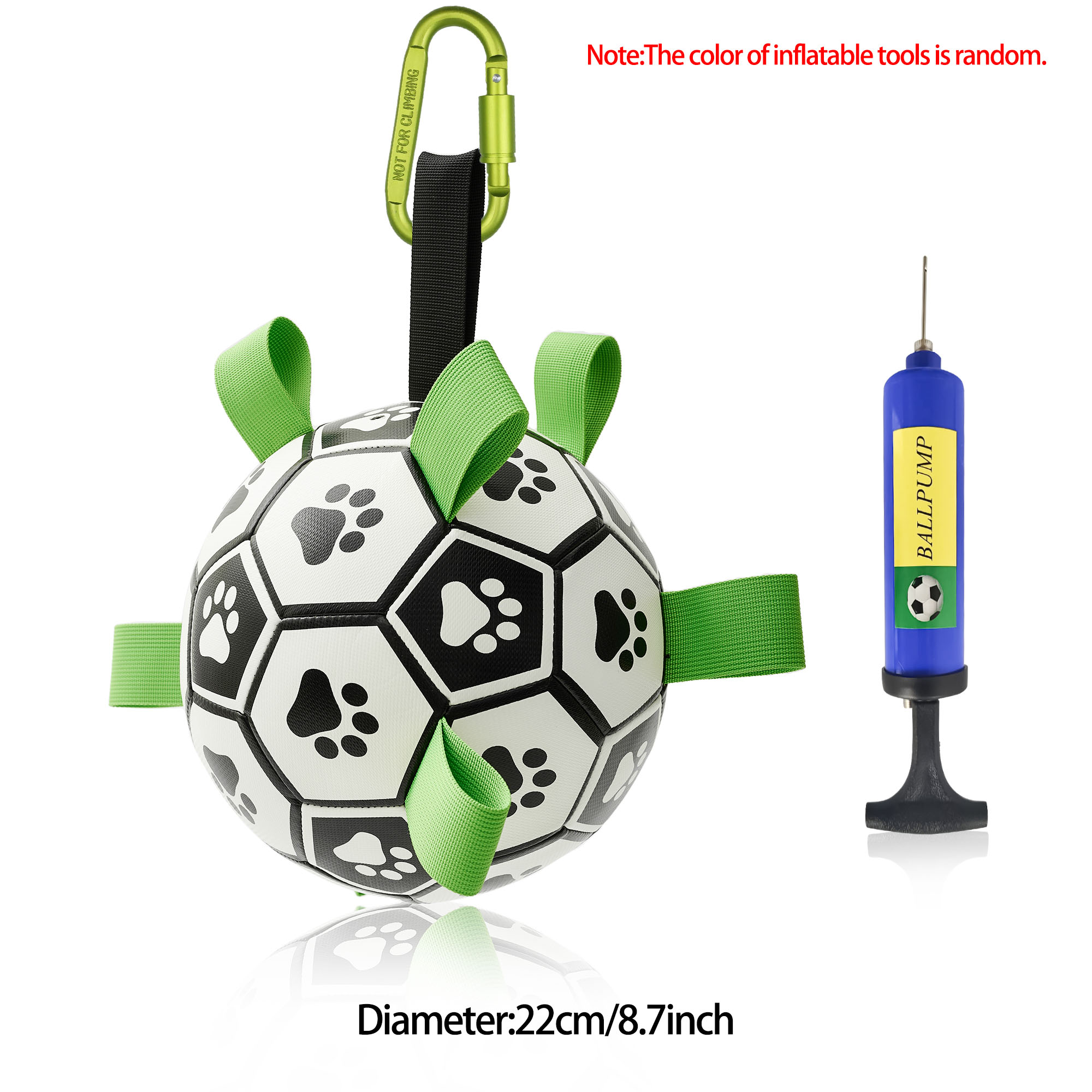
Interactive Dog Soccer Ball Toy – Inflated Training Football for Large Dogs, Perfect for Outdoor Play & Border Collies – Pet Supplies
Mini Soft PU Foam American Football – Standard Soccer Ball for Fun Play
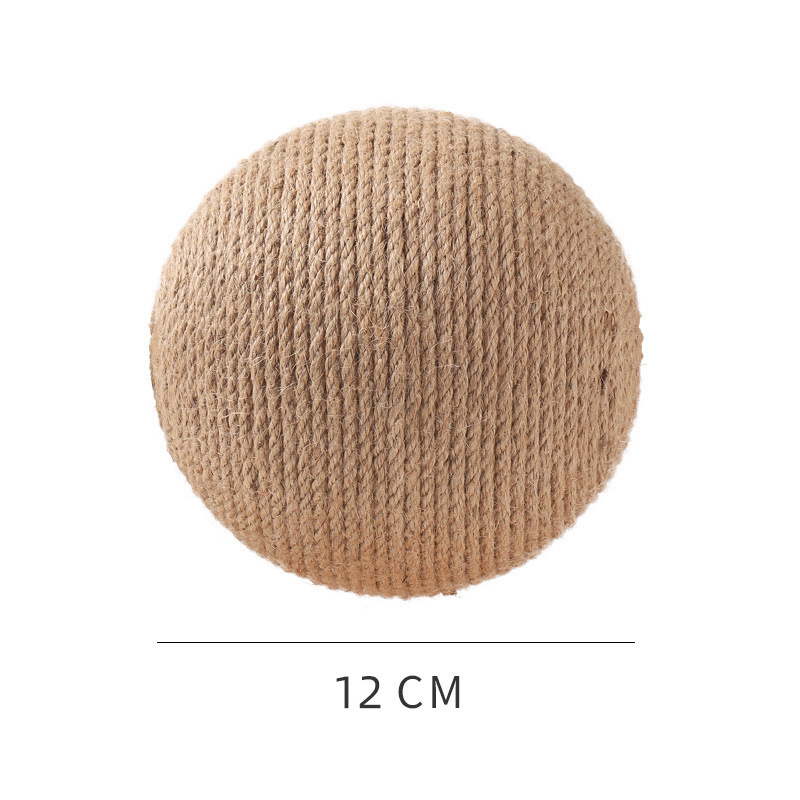
Professional Vertical Cat Toy – Sisal Cat Catching Ball for Engaging Play