Choosing the right soldering iron can make all the difference in your electronics projects, whether you’re a hobbyist or a professional. The wattage of a soldering iron is a critical factor that directly impacts its performance, influencing how quickly it heats up and how effectively it can solder various materials.
Understanding Wattage
When selecting a soldering iron, consider the wattage that aligns with your intended use. For most general-purpose soldering tasks, a wattage between 25 to 60 watts is ideal. Lower wattage irons (around 25-30 watts) are perfect for delicate tasks, such as working on small circuit boards or fine electronic components. They offer precision without overheating sensitive parts. On the other hand, a higher wattage iron (50-60 watts) is suited for heavier soldering jobs, such as larger connectors or thicker wires, providing the necessary heat to melt solder quickly and ensure strong joints.
Design and Features
Beyond wattage, the design and features of the soldering iron can significantly affect your experience. Look for models with adjustable temperature settings, which allow you to customize the heat according to the materials you are working with. A temperature range of 200°C to 480°C (392°F to 896°F) will cover most soldering needs, ensuring versatility for various applications.
Tip Selection
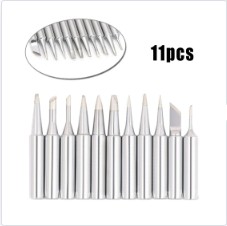
Tip selection is equally important. The shape and size of the soldering tip can enhance your ability to perform precise work:
- Fine tips are great for detailed jobs.
- Chisel tips are better for larger areas or heavier soldering tasks.
Additionally, consider using soldering tips made from high-quality materials like copper or iron-plated tips, as they provide better heat conductivity and longevity.
Ease of Use
Ease of use is another factor to keep in mind. A lightweight soldering iron with an ergonomic grip can reduce fatigue during prolonged use, allowing you to maintain control and accuracy. Some models even feature built-in stands to keep the hot tip safely away from surfaces when not in use.
Safety Features
Lastly, don’t overlook the importance of safety features. Look for soldering irons with automatic shut-off functions, which prevent overheating and reduce the risk of accidents. A soldering iron that prioritizes safety will give you peace of mind while you focus on your craft.
Conclusion
In conclusion, choosing the right soldering iron is a blend of understanding wattage, selecting the appropriate tips, and considering design features that enhance usability. Investing in a quality soldering iron tailored to your specific needs will not only improve your soldering skills but also elevate the quality of your projects. Whether you’re crafting intricate electronics or making essential repairs, the right tool can turn a challenging task into a seamless and enjoyable experience. Equip yourself wisely, and watch your creativity flourish!