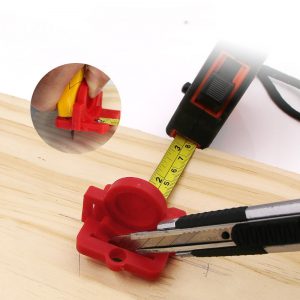
Choosing the right tool for cutting PVC can make all the difference in your project’s outcome. Whether you’re a DIY enthusiast or a seasoned professional, achieving clean, precise cuts is essential for any PVC work. The right tool not only enhances efficiency but also ensures safety and accuracy, minimizing the risk of damage to materials and promoting a smoother workflow.
Choosing the Right Tool
First and foremost, consider the thickness and type of PVC you’ll be working with. For thin sheets, a simple utility knife may suffice, allowing for quick, clean cuts without the need for bulky equipment. This tool is lightweight and easy to handle, making it ideal for intricate designs and detailed work. However, if you’re tackling thicker PVC pipes or sheets, a more robust option is essential.
Pipe Cutters
Pipe cutters are a fantastic choice for cutting through PVC pipes. These specialized tools are designed to deliver clean cuts without causing any cracks or splintering, which can be a common issue with saws. Their ratcheting mechanism allows for a smooth and controlled cutting action, ensuring that you achieve a straight cut every time. Investing in a high-quality pipe cutter can save you time and frustration in the long run.
Power Saws
For larger projects or thicker materials, a power saw, such as a circular saw or a miter saw, can be incredibly effective. These tools provide the power needed to slice through PVC quickly and efficiently. When using a power saw, ensure that you equip it with a fine-toothed blade specifically designed for plastics. This will help you achieve a polished finish without the rough edges often associated with standard blades.
Safety Considerations
Don’t overlook the importance of safety gear when cutting PVC. Protective eyewear, gloves, and a mask can shield you from flying debris and harmful dust particles, ensuring that your cutting experience is as safe as it is effective.
Ease of Use and Portability
Moreover, consider the ease of use and portability of your chosen tool. If you frequently move between job sites or work in tight spaces, lightweight and compact options can be advantageous. Many modern cutting tools come with ergonomic designs that enhance comfort and control, reducing fatigue during prolonged use.
Research and Recommendations
Finally, take time to read reviews and seek recommendations. Fellow professionals and DIYers can provide invaluable insights based on their experiences with various tools. A well-reviewed tool is often a reliable indicator of quality and performance.
Conclusion
In summary, selecting the right tool for cutting PVC involves understanding your specific needs, assessing the material thickness, and considering the desired finish. Whether opting for a hand tool or a power saw, prioritize quality, safety, and ease of use. With the right tool in hand, you’ll be well on your way to achieving clean cuts and impressive results in all your PVC projects.
Related products
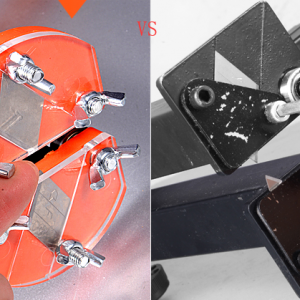
EasyRippertm Drywall Cutter – Effortless Cutting Tool for Perfect Results
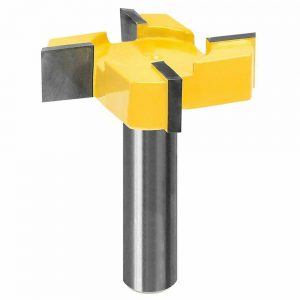
T-Shaped Slotting Knife with Four Blades – Precision Cutting Tool
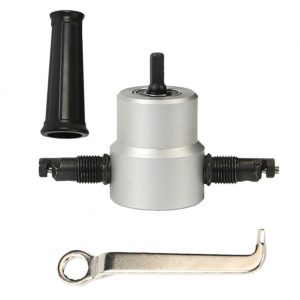
Double Head Sheet Metal Nibbler Saw Cutter – Power Drill Attachment Tool for Precision Cutting