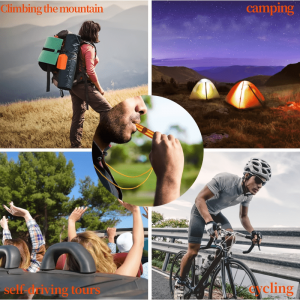
Choosing the right tent for rainy camping can make or break your outdoor adventure. A downpour can turn a fun trip into a soggy disaster if you’re not prepared. To ensure you stay dry and comfortable, consider these key features when selecting your next camping tent.
Key Features to Consider
Waterproof Rating
First and foremost, look for a tent with a waterproof rating. Tents are often rated based on the waterproofness of their fabric, measured in millimeters. A tent with a rating of at least 1500 mm is generally considered suitable for light rain, while 3000 mm or more is ideal for heavy downpours. Investing in a tent with a high waterproof rating can save you from waking up in a puddle.
Seam Quality
Next, the tent’s seams are crucial. Taped seams provide a barrier against water ingress, sealing potential weak points where rain can seep through. Ensure that your tent features factory-sealed seams or consider sealing them yourself for added protection. This small detail can greatly enhance your tent’s waterproof capabilities.
Ventilation
Ventilation is another essential aspect, especially in wet conditions. Look for tents that offer adjustable vents to reduce condensation buildup inside. A well-ventilated tent will keep the air fresh and dry, preventing that musty smell that often accompanies wet camping gear.
Durability
Durability is key when facing the elements. Opt for tents made from high-quality materials that can withstand harsh weather conditions. Nylon and polyester are common fabrics used in tents, but check for ripstop features, which enhance tear resistance. This robustness will help your tent endure wind and rain, ensuring it stands strong throughout your camping trip.
Tent Design
Consider the tent’s design as well. A dome or tunnel-shaped tent will perform better against wind and rain than a flat-roofed model. The sloped design allows rainwater to run off easily, reducing the risk of pooling on the tent’s surface. Additionally, choose a tent with a rainfly that extends over the vestibule area, providing extra protection for your gear and giving you a dry entry point.
Weight and Packability
Weight and packability shouldn’t be overlooked. If you’re hiking to your campsite, a lightweight, compact tent will be easier to carry. Look for tents that come with a compression sack for efficient packing. This convenience allows you to focus on the adventure rather than the burden of your gear.
Seek Recommendations
Lastly, don’t forget to read reviews and seek recommendations from fellow campers. Real-life experiences can provide invaluable insights into how a tent performs in rainy conditions. Join camping forums or social media groups to gather opinions and tips on the best tents for wet weather.
Conclusion
In conclusion, selecting the perfect tent for rainy camping involves careful consideration of waterproof ratings, seam quality, ventilation, durability, design, weight, and user feedback. By focusing on these key features, you can ensure that your camping experience remains enjoyable, regardless of the weather. So gear up, choose wisely, and embrace the great outdoors with confidence!
Related products
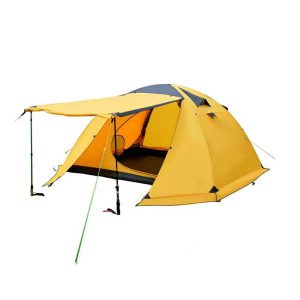
Ultra-Light 4-Season Camping Tent Featuring Snow Skirts for All Weather Adventures
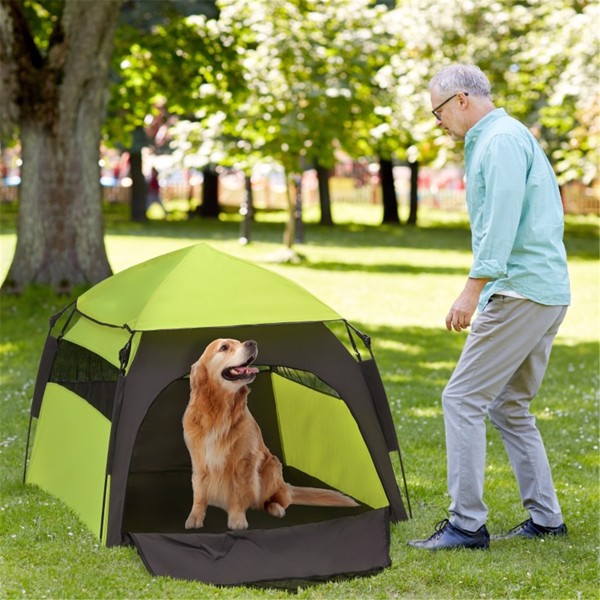
Pet Camping Tent – Amazon Shipping Available, Walmart Restrictions, No Weekend Deliveries
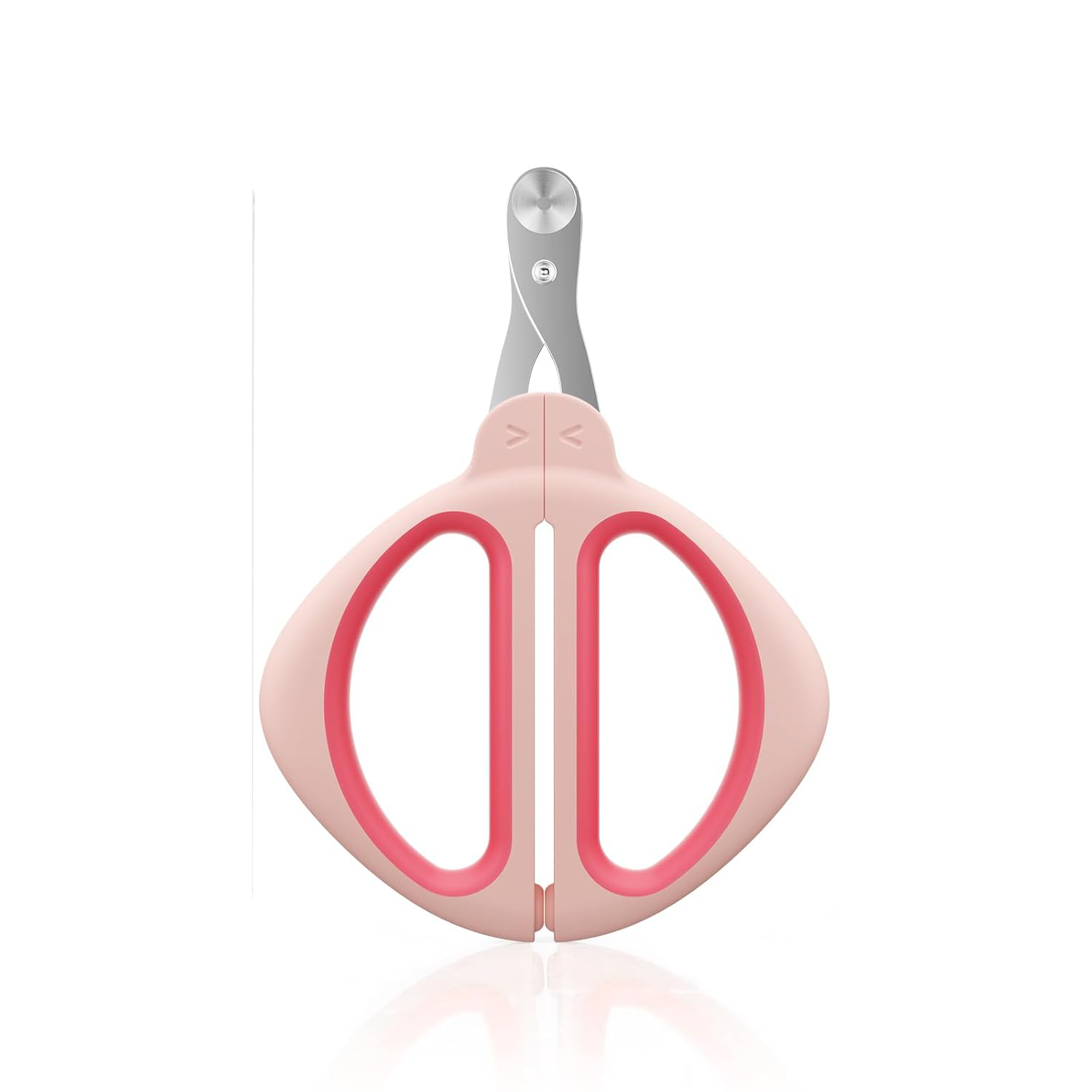
About This Product: Key Features and Benefits You Need to Know