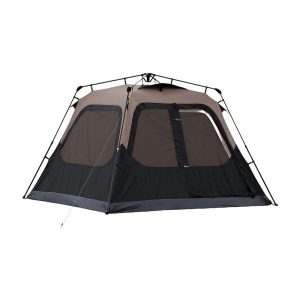
Selecting the perfect spot for your tent can make or break your outdoor adventure. Imagine waking up to a soggy sleeping bag or battling gusty winds that threaten to topple your shelter. To enjoy a comfortable and safe camping experience, understanding the nuances of drainage and wind protection is essential.
Prioritize Drainage
A well-drained site is crucial, especially if rain is in the forecast. Look for higher ground where water is less likely to pool. Avoid low-lying areas, such as valleys or ditches, where rainwater can accumulate. A simple trick is to walk the area during or after rain; if you find puddles forming, keep searching.
Additionally, natural features like slopes or ridges can serve as effective barriers against water runoff, ensuring your tent remains dry.
Wind Protection
Wind is another formidable foe in the great outdoors. Tents are designed to withstand some level of gusts, but choosing the right location can significantly enhance their stability. Seek out natural windbreaks, such as:
- Trees
- Boulders
- Hills
Position your tent with the entrance facing away from the wind, minimizing exposure and reducing the likelihood of flapping fabric that can disrupt your sleep.
Understanding Prevailing Winds
Consider the direction of the prevailing winds in the area. In many regions, winds tend to come from a specific direction. By orienting your tent accordingly, you can create a more stable environment. Furthermore, using durable stakes and guylines can help secure your tent against unexpected gusts. Investing in high-quality camping gear, like wind-resistant tents, enhances your overall experience, providing peace of mind against the elements.
Evaluating the Terrain
When evaluating potential sites, also keep in mind the surrounding terrain. Avoid setting up on rocky or uneven ground, which can lead to uncomfortable sleeping arrangements. Instead, look for a flat, level area that offers both comfort and accessibility. A well-chosen site will not only improve your night’s sleep but also make packing up easier when it’s time to head home.
Respecting the Environment
Finally, be mindful of the environment. Respect local wildlife and vegetation by avoiding sensitive areas. Choose sites that are already established for camping, minimizing your impact on the landscape. This conscientious approach ensures that future campers can enjoy the same beautiful surroundings.
Conclusion
In summary, selecting the right tent setup site involves careful consideration of drainage and wind factors. By prioritizing high ground, utilizing natural windbreaks, and ensuring a flat, stable surface, you can create a comfortable and secure camping experience. Equip yourself with quality gear and take the time to choose wisely; the rewards will enhance your outdoor adventure, leaving you with unforgettable memories under the stars. Happy camping!
Related products
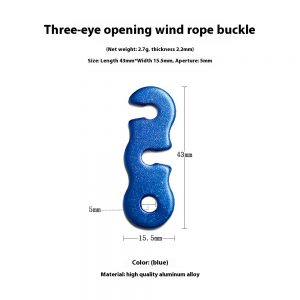
Outdoor Camping Aluminum Alloy Umbrella String Clips – Tent Drawstring Accessories for Easy Setup
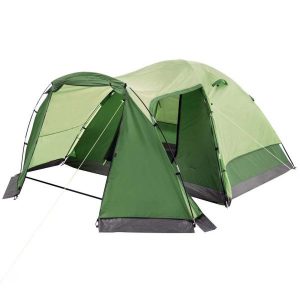
2-3 Person Camping Dome Tent – Durable, Weather-Resistant, Easy Setup
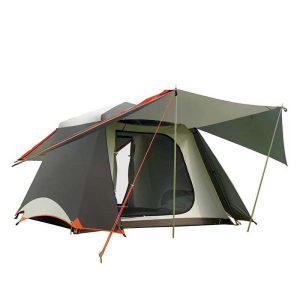
Automatic Family Camping Tent with Porch – Spacious & Easy Setup for Outdoor Adventures