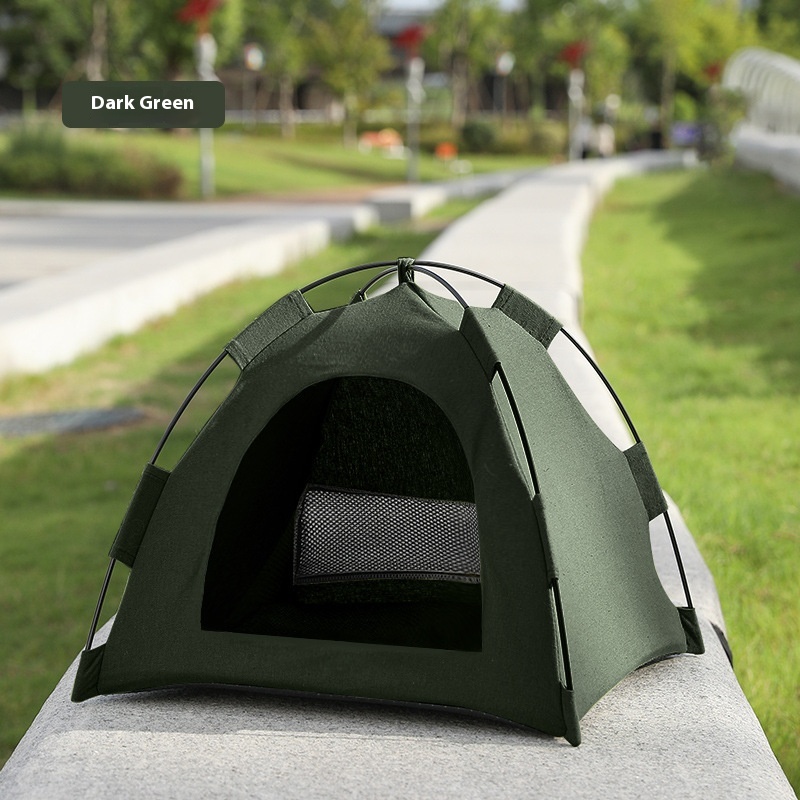
Choosing the right tent can mean the difference between a restful night under the stars and a stuffy, uncomfortable experience filled with condensation. When you’re out in the wild, breathing fresh air shouldn’t come at the cost of waking up in a damp sleeping bag. Here’s how to select a tent that prioritizes ventilation and ensures your camping experience is as enjoyable as it should be.
Look for Ample Mesh Panels
First and foremost, look for tents designed with ample mesh panels. High-quality tents feature breathable mesh sections that allow air to circulate freely while keeping insects at bay. This not only enhances ventilation but also reduces the chances of condensation forming inside. Brands like REI and Big Agnes offer models specifically engineered with excellent airflow, ensuring you stay cool and comfortable even on warm summer nights.
Consider the Tent’s Design
Consider the tent’s design as well. A tent with a high peak and vertical walls encourages better air circulation compared to dome-style tents that can trap heat and moisture. Look for options that include a rainfly with adjustable vents. These allow you to regulate airflow based on weather conditions, providing a customizable experience that adapts to your needs. Tents like the MSR Hubba Hubba NX have features that facilitate optimal ventilation without compromising on weather protection.
Material Matters
Material matters too. Opt for tents made from breathable fabrics that wick moisture away while still providing waterproof protection. Lightweight nylon or polyester tents are often treated with water-resistant coatings, but ensure they also allow for moisture vapor to escape. This is crucial in preventing the dreaded condensation that can dampen your gear overnight.
Choose the Right Footprint
Another key element is the tent’s footprint. Make sure to choose a tent that includes an appropriate footprint or ground tarp. This creates a barrier between the ground and your tent, reducing moisture absorption from the earth, which can also contribute to condensation. Tents like the Sea to Summit Telos TR2 come with thoughtful design features that enhance airflow and moisture management.
Ventilation for Family Camping
Don’t overlook the importance of ventilation when selecting a tent for family camping or group outings. Larger tents often have multiple entry points and windows, allowing for cross-ventilation. Choose a model with adjustable vents at both the top and bottom, ensuring that stale air can escape while fresh air is drawn in. The Coleman Instant Cabin Tents are perfect for family adventures, offering spacious interiors with excellent airflow options.
Consider Your Camping Habits
Finally, remember that your camping habits can influence your choice. If you’re an early riser, you might prefer a tent that opens up to the east, allowing morning breezes to flow through. If you’re camping in humid areas, prioritize tents with higher ventilation capabilities.
Conclusion
Choosing a tent with good ventilation is not merely about comfort; it’s about enhancing your overall outdoor experience. With the right tent, you can enjoy the beauty of nature without the discomfort of dampness. So, gear up and embrace the great outdoors, knowing that a well-ventilated tent is your best ally for a dry and refreshing night’s sleep under the stars.
Related products
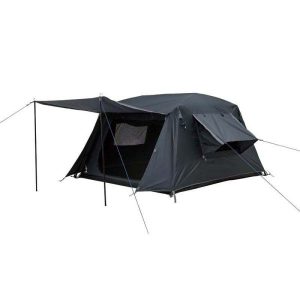
Automatic Family Camping Tent with Innovative Protruding Windows for Enhanced Ventilation
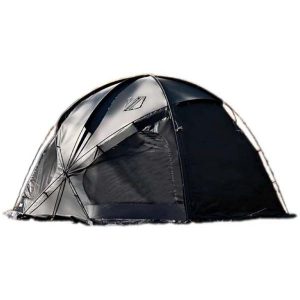
Hemispherical Dome Tent Featuring Chimney Hole for Enhanced Ventilation
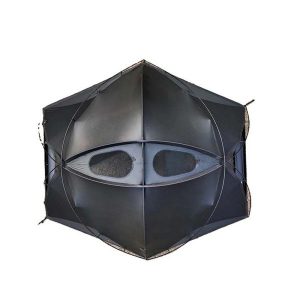
Igloo-Shaped Dome Tent Featuring 2 Top Screen Windows for Optimal Ventilation