
Choosing the right Wi-Fi router is akin to selecting the backbone of your home or office network; it’s what connects you to the digital world. With a plethora of options available, understanding the critical components like range, bands, and your actual needs can make the difference between seamless connectivity and frustrating dead zones.
Understanding Wi-Fi Router Range
First, let’s talk about range. The range of a Wi-Fi router dictates how far its signal can reach. If you live in a compact apartment, a basic model might suffice. However, for larger homes or offices, a router with an extended range is essential. Look for routers equipped with beamforming technology, which directs the Wi-Fi signal towards your devices rather than spreading it uniformly. This means you can enjoy strong connections even in the farthest corners of your space.
Choosing the Right Bands
Next, consider the bands. Modern routers typically operate on two bands:
- 2.4 GHz: Offers greater range but can be susceptible to interference from devices like microwaves and Bluetooth gadgets.
- 5 GHz: Provides faster speeds but with a reduced range.
A dual-band router allows you to take advantage of both, giving you flexibility based on your activities. If you’re streaming 4K videos or engaging in online gaming, prioritizing the 5 GHz band will lead to a smoother experience.
Assessing Your Needs
But let’s not forget your real needs. Are you a casual user who browses social media and checks emails? A basic router may meet your requirements. For heavy users, such as gamers or those who work from home with multiple devices, investing in a high-performance router becomes a necessity. Features such as Quality of Service (QoS) allow you to prioritize bandwidth for specific applications, ensuring that your video calls remain clear and your games run without lag.
Future-Proofing Your Investment
When selecting your router, also consider future-proofing your investment. Look for routers that support Wi-Fi 6, the latest standard that offers improved speed, efficiency, and capacity. This means better performance in crowded networks, making it ideal for families with numerous connected devices.
Conclusion
Ultimately, the perfect router is one that aligns with your lifestyle and digital habits. Whether you prioritize speed, range, or the ability to connect multiple devices seamlessly, understanding these elements will empower you to make an informed decision. Don’t settle for less—equip your space with a router that meets your real needs and enjoy the freedom of a robust and reliable internet connection.
Related products
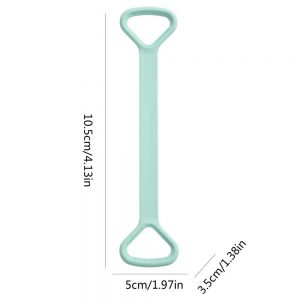
Yoga Fitness Resistance Band – Elastic Ropes for Arm & Back Training, Pure Barre Workout Chest, Arm, and Shoulder Stretch Bands for Yoga, Pilates, Stretching, and Physical Therapy
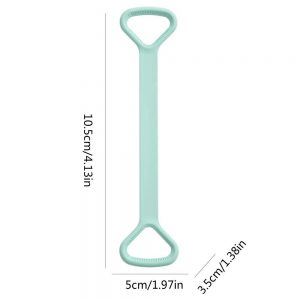
Yoga Fitness Resistance Band – Elastic Ropes for Arm and Back Training, Pure Barre Workout Chest, Arm, and Shoulder Stretch Bands for Yoga, Pilates, and Physical Therapy Exercise Equipment
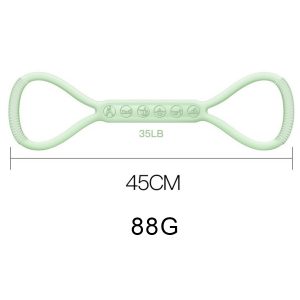
8-Character Puller – Silicone Yoga Mini Band Kit for Home Workouts, Set of 3 Resistance Bands (Light, Medium, Heavy) for Lower Body and Booty Training