
Selecting the right tent can mean the difference between an enjoyable outdoor experience and a night spent battling the elements. When it comes to wind resistance, not all tents are created equal. Understanding how shape and features contribute to a tent’s ability to withstand gusty conditions is essential for any adventurer.
Consider the Shape of the Tent
First, consider the shape of the tent. Geodesic and dome-shaped tents are your best friends in windy environments. Their curved surfaces allow wind to flow around them, reducing the likelihood of uplift and ensuring stability. Unlike traditional A-frame tents, which can easily be caught by strong winds, these designs offer superior aerodynamic properties. Investing in a geodesic tent not only provides peace of mind but also enhances your overall camping experience by keeping you safe and secure.
Materials Matter
Next, the materials used in the construction of the tent play a vital role in wind resistance. Look for tents made from:
- High-denier nylon or polyester, as these fabrics are not only durable but also lightweight.
- Reinforced seams and high-quality zippers to prevent wear and tear, ensuring your tent stands strong against the test of time and weather.
A tent with a sturdy rainfly can also provide an extra layer of protection against wind and rain, making it a crucial feature for those unpredictable weather days.
Importance of Ventilation
Ventilation is another key aspect to consider. While it might seem counterintuitive, tents that allow for airflow can actually help reduce wind resistance. Look for designs with:
- Adjustable vents that can be closed during storms and opened when conditions are calmer.
This feature not only keeps the interior comfortable but also minimizes the chances of the tent being lifted by strong gusts.
Enhancing Stability
Stability is enhanced by guy lines and stakes. A tent that comes with multiple guy line points allows for a more secure setup. Ensure that the tent you choose includes:
- Durable stakes, as these will anchor your shelter firmly to the ground.
Additionally, consider the terrain where you’ll be camping. A tent designed with a low profile will perform better in windy conditions, so always pay attention to the tent’s height and overall design.
Added Features for Wind Resistance
Finally, think about the added features that can make a tent wind-resistant. Look for tents with:
- A rainfly that extends to the ground, which can block wind from entering.
- Features like tension bands or windbreaks that can also add to the tent’s resilience.
These innovative designs help distribute wind pressure more evenly across the structure, reducing the risk of collapse.
Conclusion
Choosing a wind-resistant tent isn’t just about weathering the storm; it’s about ensuring a memorable adventure in nature. By focusing on the right shape, high-quality materials, effective ventilation, stability features, and innovative design elements, you can confidently select a tent that will protect you from the fiercest winds. Elevate your outdoor experience and embrace the elements with a tent that stands strong against nature’s challenges. Your next camping trip deserves nothing less.
Related products
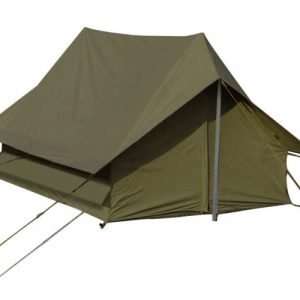
A-Shape Cabin TC Tent – Durable, Spacious, and Weather-Resistant Camping Shelter
Stay Cool This Summer with Our Versatile Neck Fan – Features Intelligent Wind Adjustment and Stylish Designs

Ultra-Thin Dog Vest Raincoat – Water, Dirt Resistant & Wind Shield Protection