Finding the perfect yoga mat can feel like searching for a needle in a haystack, especially for those who tend to sweat more during their practice. If you’re one of those individuals, you know that a slippery surface can turn your calming yoga session into a frustrating slip-and-slide experience. Choosing the right mat is crucial, not just for comfort, but for safety and performance. Here’s how to ensure you get the grip you need to stay grounded, no matter how intense your workout gets.
Materials That Enhance Grip
First and foremost, look for materials that naturally enhance grip. Mats made from high-quality rubber or TPE (Thermoplastic Elastomer) offer excellent traction. These materials are not only durable but also provide a non-toxic surface that is free from harmful chemicals. A mat with a textured surface can significantly reduce slippage, allowing you to focus on your poses rather than your footing. Brands like Manduka and Liforme are renowned for their superior grip, making them excellent choices for heavy sweaters.
Thickness of the Mat
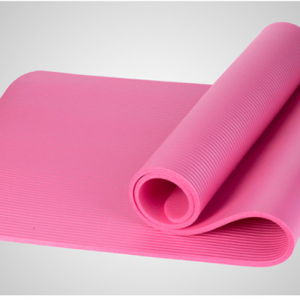
Next, consider the thickness of the mat. A thicker mat can cushion your joints, but it may also impact stability. Aim for a thickness of around 4-6 mm, striking a balance between comfort and grip. Some mats even come with added grip technology, which can absorb moisture and enhance traction as you sweat. Look for mats that advertise moisture-wicking properties or grip-enhancing technologies, as these features can make a world of difference during your practice.
Texture Matters
Texture plays a significant role in grip as well. Mats with a raised or patterned surface can provide additional traction. When shopping, run your hand across the mat to see how it feels. A good grip should feel secure and give you confidence that you won’t slide during downward dog or warrior poses. The more texture, the better the grip—just ensure that it’s not too rough, as comfort is key to an enjoyable practice.
Weight of the Mat
Another aspect to consider is the mat’s weight. Heavier mats tend to stay put better than lightweight options, which can shift around on the floor during vigorous sessions. If you practice in various locations, a heavier mat may not be as portable. However, investing in a slightly heavier mat can be worthwhile if it means greater stability and grip during your workouts.
Maintenance of Your Mat
Lastly, maintenance matters. A yoga mat that’s easy to clean will last longer and maintain its grip. Look for mats that can be wiped down with a damp cloth or are machine washable. Regular cleaning not only keeps your mat hygienic but also helps to maintain its grip over time. For heavy sweaters, consider using a yoga towel, which can be placed over your mat for added grip and absorbency during sweaty sessions.
Conclusion
Choosing the right yoga mat is about more than just aesthetics; it’s about finding the right fit for your unique practice. By focusing on material, thickness, texture, weight, and maintenance, you can find a mat that meets your needs as a heavy sweater. Elevate your practice with a mat that offers the grip and support you need, and transform your yoga sessions from challenging to exhilarating. Don’t let sweat dampen your spirit—invest in the right mat and enjoy every moment on the mat!