Finding the perfect yoga mat can feel overwhelming, especially if you have sensitive skin. The right mat not only enhances your practice but also ensures comfort and safety for your skin. Selecting a mat made from the right materials can make all the difference in your experience on and off the mat.
Understanding Materials for Sensitive Skin
Start with understanding the materials that are gentle on sensitive skin. Natural rubber mats are a fantastic choice as they are biodegradable and free from harmful chemicals. They provide excellent grip and cushioning, making them perfect for various yoga styles. If you’re looking for something softer, consider a cork yoga mat. Cork is naturally antimicrobial, which means it resists mold and bacteria, providing a clean surface for your practice. Plus, it’s gentle on the skin, offering a natural feel that many yogis love.
Alternative Options
For those who may have latex allergies, opting for a TPE (thermoplastic elastomer) mat can be a game-changer. TPE mats are made from non-toxic materials and are free from PVC, making them a safer alternative for sensitive skin. They are lightweight, durable, and easy to clean, ensuring your mat stays fresh without irritating your skin.
Choosing the Right Texture
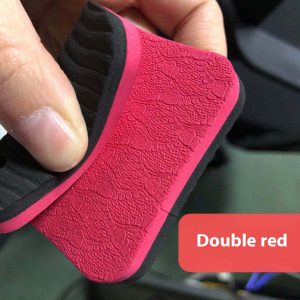
Don’t overlook the importance of texture when choosing your mat. A smooth surface may feel nice initially, but it can become slippery during practice, leading to unwanted friction. Look for mats with:
- A slight texture
- A natural grip
These features will keep you stable without causing irritation.
Thickness Matters
When it comes to thickness, remember that a thicker mat provides more cushioning, which can be beneficial for sensitive skin, especially during floor poses. However, too much padding can lead to instability in balance poses. A mat that is around 4-6 mm thick strikes a great balance between comfort and support.
Cleaning and Maintenance
Lastly, consider the cleaning and maintenance of your mat. Some materials can harbor bacteria and allergens, which is a concern for sensitive skin. Choose a mat that is easy to clean and maintain. Many natural rubber and TPE mats can be wiped down with a gentle soap and water solution, ensuring they remain hygienic and safe.
Conclusion
In summary, when selecting a yoga mat for sensitive skin, prioritize materials like natural rubber, cork, or TPE that are gentle and non-toxic. Pay attention to texture, thickness, and ease of cleaning. Investing in the right mat not only enhances your practice but also protects your skin, allowing you to fully immerse yourself in the calming world of yoga. Choose wisely and enjoy your journey towards mindfulness and well-being!
Related products
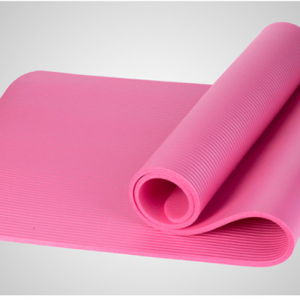
Sustainable NBR Yoga Mat for Eco-Conscious Fitness Enthusiasts
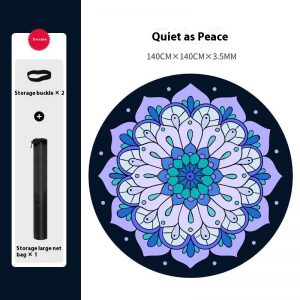
Professional Natural Rubber Round Yoga Mat for Ultimate Comfort and Performance
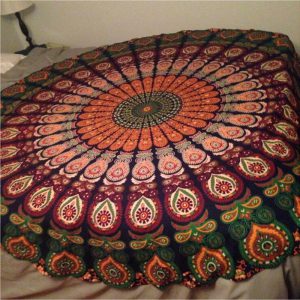
Stylish Printed Round Beach Towels & Yoga Mat for Ultimate Relaxation