Choosing the right yoga mat is essential for your practice, influencing comfort, stability, and overall enjoyment. As you embark on your journey to find the perfect mat, consider three key factors: thickness, grip, and material. Each element plays a crucial role in enhancing your experience on the mat, allowing you to focus on your poses without distraction.
Thickness
Thickness is often the first aspect to consider. A thicker mat provides more cushioning, making it ideal for those who need extra support for their joints during floor poses. If you have sensitive knees or wrists, a 5mm or thicker mat can help alleviate discomfort. However, thicker mats can be bulkier and may affect balance in standing poses. For those who prioritize stability and connection to the ground, a thinner mat around 3mm offers a more grounded feel while still providing enough padding for comfort.
Ultimately, the choice between thickness and stability depends on your personal needs and the types of yoga you practice.
Grip
Next, grip is vital for maintaining safety and performance during your sessions. A mat with superior grip prevents slipping and sliding, allowing you to focus on your alignment and breathing. Look for mats made with:
- Natural rubber or
- High-quality PVC, which tend to offer excellent traction.
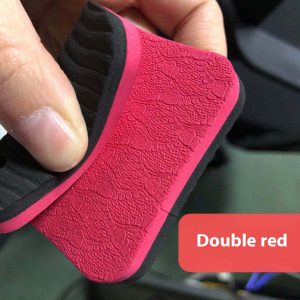
Some mats even feature textured surfaces that enhance grip, especially in sweaty conditions. If you practice hot yoga or tend to sweat a lot, consider a mat designed specifically for high-intensity styles, as they typically provide enhanced grip even when wet. Investing in a mat with the right grip can significantly boost your confidence and performance on the mat.
Material
Material is another crucial factor that influences your yoga experience. Eco-friendly options, such as:
- Natural rubber
- Jute
are becoming increasingly popular among yogis who are mindful of their environmental impact. These materials not only provide excellent grip and cushioning but also promote sustainability. On the other hand, if you prefer a more traditional feel, high-density PVC mats offer durability and a good balance of comfort and grip. However, always consider the longevity and care required for your chosen material, as some mats may require specific cleaning methods to maintain their quality.
Conclusion
In summary, selecting the right yoga mat is a personal journey that requires thoughtful consideration of thickness, grip, and material. By understanding your individual needs and preferences, you can find a mat that enhances your practice, promotes safety, and aligns with your values. Don’t underestimate the impact a quality mat can have on your yoga experience. Embrace the journey of exploration, and you’ll soon discover the perfect mat that supports your practice every step of the way.
Related products
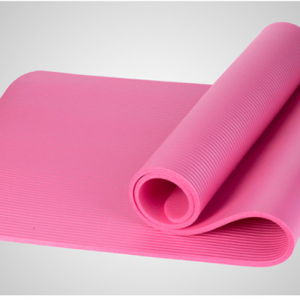
Sustainable NBR Yoga Mat for Eco-Conscious Fitness Enthusiasts
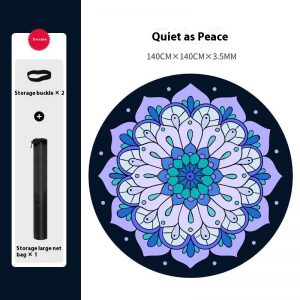
Professional Natural Rubber Round Yoga Mat for Ultimate Comfort and Performance
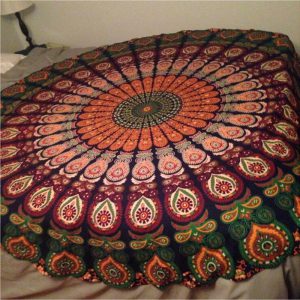
Stylish Printed Round Beach Towels & Yoga Mat for Ultimate Relaxation