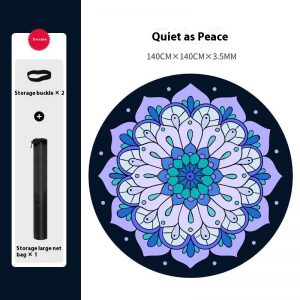
Finding the perfect yoga mat can feel like searching for a needle in a haystack, especially when you’re navigating allergies. If latex sensitivity is a concern, the good news is that a wide range of allergy-friendly options awaits you. Understanding what to look for will empower your practice while keeping discomfort at bay.
Material Considerations
First, consider the material. Non-toxic and latex-free mats are available in various alternatives, including:
- PVC: Offers excellent durability and grip, making them ideal for intense sessions.
- TPE: A newer material that is biodegradable and free from harmful chemicals, providing a soft yet supportive surface for your poses.
- Natural Rubber: Look for mats made from natural rubber that are specifically labeled as latex-free for a more eco-conscious choice.
Texture and Grip
Next, evaluate the texture and grip. A yoga mat should provide stability without slipping, especially during those challenging transitions. Mats made from non-latex materials often feature unique textures designed to enhance traction. Look for options with:
- Raised patterns
- A sticky surface
These features will keep you grounded in every pose, from downward dog to warrior.
Thickness
Thickness is another crucial factor. Depending on your practice style and comfort preference, you may want:
- A thicker mat for extra cushioning
- A standard thickness for better stability
Remember, thicker mats can sometimes be made from materials that are not latex, but always double-check product specifications to ensure they meet your needs.
Portability
Portability is also essential. If you’re the type who loves to take your practice on the go, lightweight and foldable mats are a game-changer. Many allergy-friendly mats are designed for easy transport, ensuring you can roll them up and carry them to your favorite yoga class without hassle.
Budget Considerations
Additionally, consider your budget. The market is flooded with options across various price points, so you don’t have to break the bank to find a quality mat. Investing in a durable, allergy-friendly mat is a smart choice, as it will support your practice for years to come.
Research and Recommendations
Before making a purchase, read reviews and ask fellow yogis for recommendations. Real-life experiences can help you gauge the performance of a mat, especially regarding its allergy-friendly claims. Always look for transparency in product descriptions and certifications to ensure you’re choosing a mat that aligns with your health needs.
Conclusion
In summary, selecting a yoga mat without latex involves considering materials, texture, thickness, portability, and budget. With the right research and a clear understanding of your needs, you can find the perfect mat that enhances your practice while ensuring your comfort and safety. Embrace your journey on the mat with confidence, knowing you’ve made a choice that supports both your wellness and your lifestyle.
Related products
Nude One-piece Button-back Seamless Plus Size Bra – Women’s Full-cup Sports Bra & Thin Yoga Bra Without Underwire for Ultimate Comfort
Eco-Friendly Natural Straw Mat for Sustainable Home Decor
Sustainable NBR Yoga Mat for Eco-Conscious Fitness Enthusiasts