Choosing the right brake pads is crucial for ensuring safety and performance in your vehicle. When it comes to brake pads, two primary types stand out: organic and sintered. Understanding the differences between these two options can help you make an informed decision that suits your driving style and needs.
Organic Brake Pads
Organic brake pads, often made from materials like rubber, glass, and resins, are a popular choice for many drivers. They offer a quieter operation and a softer feel, which can lead to a more comfortable driving experience. Additionally, organic pads are generally less abrasive on rotors, promoting longevity and reducing wear. If you’re someone who values smooth stops and less noise, organic brake pads might be the perfect fit for you.
Sintered Brake Pads
On the other hand, sintered brake pads are constructed from a mix of metal particles fused together under high heat and pressure. This results in a pad that delivers superior stopping power, especially in high-performance or heavy-duty applications. Sintered pads excel in extreme conditions, providing consistent performance even under heavy braking or high temperatures. If you often drive in demanding environments—like off-road trails or during track days—sintered pads are likely your best option. They can withstand the heat generated during aggressive braking, making them a favorite among performance enthusiasts.
Cost Considerations
Cost can also be a deciding factor:
- Organic brake pads: Typically come at a lower price point, making them an attractive option for budget-conscious drivers. However, consider the potential for more frequent replacements.
- Sintered pads: While initially more expensive, they often deliver a longer lifespan and superior performance, which could translate to savings in the long run.
Environmental Impact
Another important aspect to consider is environmental impact. Organic pads tend to be more eco-friendly due to their natural materials, which can be a selling point for environmentally conscious consumers. Sintered pads, while durable and efficient, may not share the same green credentials.
Conclusion
Ultimately, the choice between organic and sintered brake pads depends on your specific driving habits and priorities. If you prioritize comfort and quiet operation for daily commutes, organic pads may be your best bet. Conversely, if you’re an adrenaline junkie who demands peak performance, sintered pads will not disappoint.
Take the time to assess your driving style, environment, and budget. By understanding the unique advantages of both organic and sintered brake pads, you can make a decision that enhances your driving experience while keeping safety at the forefront. Don’t compromise on quality; invest in the right brake pads to ensure that your vehicle performs at its best, no matter the road ahead.
Related products
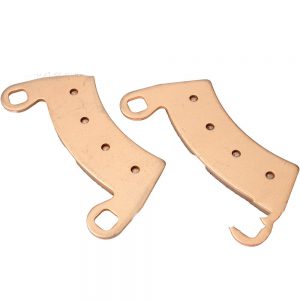
High-Performance Sintered Brake Pad FA452 for Enhanced Stopping Power
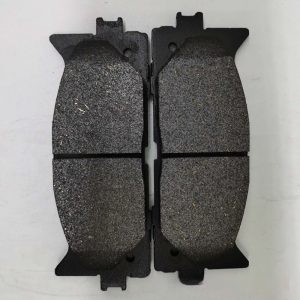
High-Performance Brake Pads D1222 for Cars – Rubber Block 04465-06080
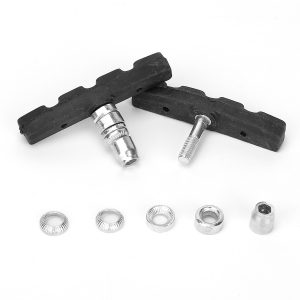
5 Pairs V Bike Brake Pads Set – 70mm Non-Slip V-Brake Blocks for Road & Mountain Bicycles with Hex Nuts and Spacers