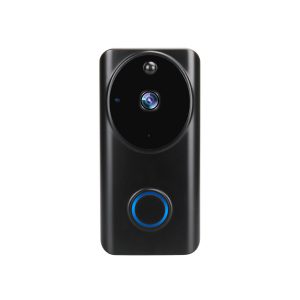
Selecting the right intercom system can significantly enhance communication in any environment, whether it’s a bustling office, a cozy home, or a large industrial site. Two crucial factors to consider are range and noise handling, which can make or break the effectiveness of your intercom system.
Importance of Range
Range is paramount. Imagine being in a large building where you need to communicate with colleagues spread across multiple floors. An intercom system with limited range will leave you shouting or running back and forth, leading to frustration and wasted time.
Opt for a system designed with extended range capabilities. Look for features like:
- Wireless connectivity
- The ability to link multiple units
These features ensure seamless communication no matter where you are. The right range ensures that your messages are delivered loud and clear, enhancing productivity and collaboration.
Noise Handling Capabilities
Equally important is noise handling. In environments such as factories or busy offices, background noise can be a significant barrier to effective communication. An intercom system that struggles to filter out ambient sounds can lead to misunderstandings and missed messages.
Seek out systems equipped with advanced noise-cancellation technology, which can distinguish between your voice and unwanted sounds. This technology ensures that your voice is crisp and clear, even in the noisiest environments, allowing for efficient communication without the annoyance of static or interference.
Additional Features to Consider
When evaluating intercom systems, also consider additional features that complement range and noise handling. For example:
- Some systems offer video capabilities, allowing for visual communication that adds another layer of clarity.
- Others may have smart integrations, enabling seamless connection with mobile devices or other communication tools.
These added functionalities can enhance your overall experience, making the intercom not just a tool, but a vital part of your communication infrastructure.
Conclusion
Investing in the right intercom system is about more than just functionality; it’s about choosing a solution that fits your specific needs. By prioritizing range and noise handling, you can ensure that your intercom system will facilitate effective communication, streamline operations, and ultimately contribute to a more productive environment.
Don’t settle for less—choose a system that stands up to the demands of your space and keeps you connected, no matter the circumstances.