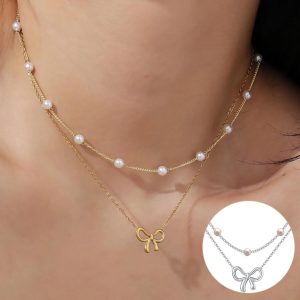
Choosing jewelry can often feel like a treasure hunt, but the last thing you want is to invest in pieces that break easily. When it comes to durability, the chain and clasp are critical elements that can make or break your jewelry experience. Understanding how to select robust options will ensure your pieces not only look fabulous but also withstand the test of time.
Understanding Chains
First, let’s delve into the chains. Look for jewelry made from high-quality materials such as sterling silver, stainless steel, or gold-plated metals. These materials not only offer an elegant appearance but also provide strength. A well-crafted chain is often characterized by its thickness and link design. Opt for thicker links, as they are less likely to bend or break under stress. Additionally, styles like box chains or rope chains are known for their durability due to their unique construction.
Assessing Chain Durability
When assessing chains, pay attention to their weight. A heavier chain often signifies a more robust build, while lighter chains may indicate fragility. For an added layer of security, consider chains with soldered links, which are more resilient than those that are simply interlocked.
The Importance of Clasps
Now, let’s talk about clasps—the unsung heroes of jewelry design. A sturdy clasp is essential for keeping your jewelry secure. Lobster clasps are highly recommended because of their strength and ease of use. Unlike spring ring clasps, which can be more delicate and prone to accidental opening, lobster clasps latch securely and provide peace of mind.
Types of Clasps
- Lobster clasps: Known for their strength and reliability.
- Spring ring clasps: More delicate and can accidentally open.
- Toggle clasps: Serve a functional purpose and can double as a decorative element.
However, be mindful of the design; a more intricate toggle may be less secure than a straightforward one. Always ensure that the clasp feels sturdy and operates smoothly, as a flimsy clasp can lead to loss or damage.
Maintenance Matters
Furthermore, don’t overlook the importance of maintenance. Regularly inspect your jewelry for signs of wear and tear, particularly around the clasp and chain links. A quick check can save you from potential disasters down the line. If you notice any issues, seek professional repair services to prolong the life of your favorite pieces.
Conclusion
In conclusion, investing in jewelry that won’t break easily involves careful consideration of the chain and clasp. By selecting high-quality materials, opting for robust designs, and practicing regular maintenance, you can ensure your jewelry not only enhances your style but also stands the test of time. Elevate your accessory game with confidence, knowing you’ve chosen pieces that will remain stunning and intact for years to come.
Related products
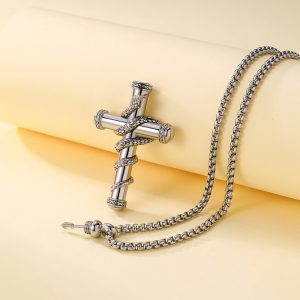
18k Gold Detachable Cross Snake Necklace – Stylish Clavicle Chain Jewelry for Valentine’s Day and Memorable Gifts
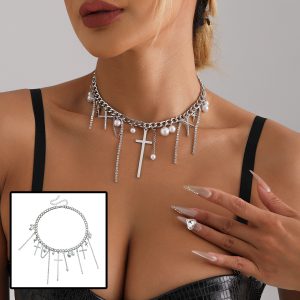
Stylish Cross Tassel Pearl Collarbone Chain Necklace for Trendy Girls – Fashion Jewelry
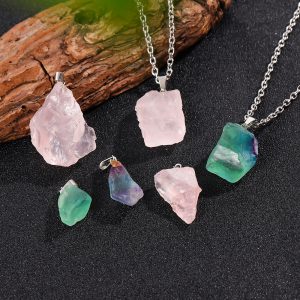
Water Drop Crystal Semi-Precious Stone Pendant on Clavicle Chain – Elegant Jewelry