Choosing the right knee sleeves can make a world of difference in your workout routine, sports performance, or recovery process. Whether you’re an avid runner, a weightlifter, or simply someone who values joint support, understanding the nuances of fit, thickness, and timing will ensure you make an informed decision.
Fit Matters
Fit is paramount when selecting knee sleeves. A well-fitting sleeve should provide compression without restricting movement. It should feel snug but not painfully tight. When trying on knee sleeves, consider the following:
- Measure your knee circumference.
- Consult sizing charts provided by manufacturers.
Remember that a perfect fit enhances blood circulation and stabilizes your joints, which can lead to improved performance and reduced risk of injury. Opt for brands that offer a range of sizes to accommodate different body types, ensuring that everyone can find their ideal fit.
Thickness Considerations
Thickness is another critical factor to consider. Knee sleeves come in various thicknesses, typically ranging from 1mm to 7mm. Here’s a quick breakdown:
- Thinner sleeves (1-3mm): Great for providing light support and warmth during activities like running or cycling. They allow for maximum flexibility and range of motion.
- Thicker sleeves (5-7mm): Offer more support and are ideal for heavy lifting or rehabilitation purposes.
If you’re unsure about the best thickness for your needs, think about your activity level and the intensity of your workouts. A versatile option might be to have both thin and thick sleeves in your arsenal, allowing you to switch based on your activity.
Timing Your Use
Knowing when to wear knee sleeves is just as important as choosing the right fit and thickness. Consider the following scenarios:
- Engaging in high-impact activities, like basketball or soccer, where wearing knee sleeves can provide the extra support you need to prevent injuries.
- Strength training sessions, especially when lifting heavy weights, where thicker sleeves can stabilize your knees and promote better lifting form.
- During recovery periods from an injury, wearing knee sleeves can help reduce swelling and provide comfort as your body heals.
Investing in Quality
Investing in quality knee sleeves can lead to enhanced performance and greater comfort. Look for sleeves made from breathable, moisture-wicking materials that can withstand the wear and tear of regular use. Brands that prioritize durability and user experience often have positive reviews, which can guide your selection process.
Conclusion
In summary, selecting the right knee sleeves involves careful consideration of fit, thickness, and timing. A snug fit promotes support, the right thickness offers appropriate stability, and knowing when to wear them can optimize your performance and recovery. Make the choice that best aligns with your lifestyle and physical demands, and experience the benefits that come from well-supported knees. Elevate your activity level today—your joints will thank you!
Related products
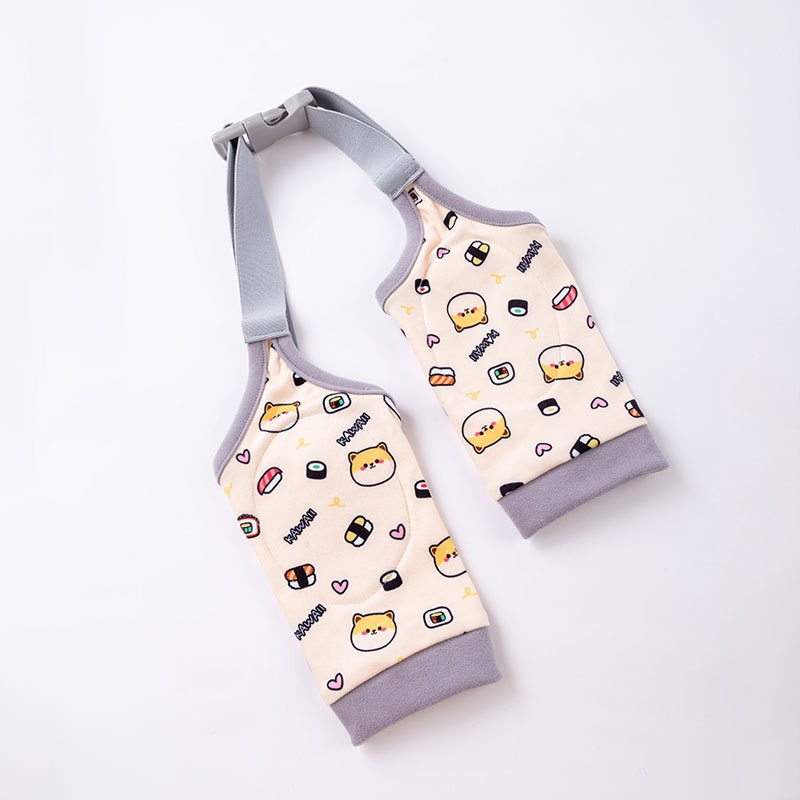
Dogs Knee Protector Pad for Calluses – Dog Knee Brace & Elbow Support Wrap, Dog Sleeves for Wound Care, Elbow Callus Treatment for Medium & Large Dogs with Scarf
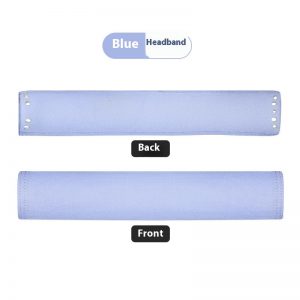
G435 Earphone Sleeves Earmuffs – Perfect Fit for Enhanced Comfort

Women’s Lace Yoga Bra – Slim Fit Vest for Comfortable Workout Wear