Choosing the right oil filter can be the difference between a smooth-running engine and costly repairs down the line. As an essential component of your vehicle’s maintenance, oil filters play a crucial role in keeping your engine clean and functioning efficiently. However, not all oil filters are created equal. Understanding the quality differences among various options can empower you to make an informed decision that enhances your vehicle’s performance and longevity.
Filtration Efficiency
First and foremost, consider the filtration efficiency. High-quality oil filters use advanced filtration media that can trap smaller particles and contaminants. This means that your engine oil remains cleaner for longer, allowing your engine to operate more efficiently. Some filters boast a multi-layer design, combining different materials to maximize filtration. Investing in a filter that offers superior filtration can lead to improved engine performance and reduced wear over time.
Filter Construction
Another critical aspect to examine is the filter’s construction. A robust oil filter should have a solid, durable casing that can withstand the pressure and conditions within the engine. Cheap filters often cut corners in materials and construction, which can lead to leaks or even filter collapse under pressure. Look for features like:
- A metal canister
- A high-quality seal that can withstand extreme temperatures and pressures
This ensures that your oil filter will perform reliably, keeping your engine protected from harmful debris.
Flow Rate
Don’t overlook the filter’s flow rate either. An oil filter with a higher flow rate allows oil to circulate more freely through the engine, maintaining optimal lubrication. This is especially important in high-performance vehicles where engine temperatures can soar. A filter that provides both excellent filtration and a high flow rate strikes the perfect balance, ensuring your engine runs smoothly while being protected from contaminants.
Brand Reputation
Brand reputation plays a significant role in the quality of oil filters. Established brands invest heavily in research and development to create filters that meet or exceed industry standards. They often have rigorous testing protocols in place to ensure their products deliver exceptional performance. Choosing a trusted brand not only offers peace of mind but often guarantees that you are purchasing a product that has been validated by other consumers.
Cost vs. Value
Lastly, consider the cost versus value equation. While it may be tempting to opt for the cheapest option available, remember that quality filters often save you money in the long run. Cheaper filters can lead to frequent replacements and potential engine damage, which can be far more expensive than investing in a high-quality oil filter upfront. Look for filters that offer the best combination of price and quality to ensure you’re making a sound investment in your vehicle’s health.
Conclusion
In summary, selecting the right oil filter requires careful consideration of:
- Filtration efficiency
- Construction quality
- Flow rate
- Brand reputation
- Overall value
By prioritizing these factors, you can make a choice that not only protects your engine but also enhances its performance and longevity. Don’t settle for subpar filters; your vehicle deserves the best care possible.
Related products
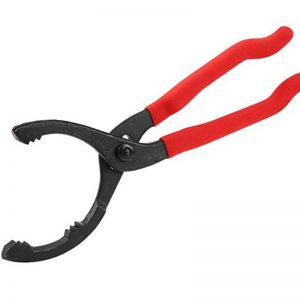
12-Inch Heavy-Duty Filter Wrench for Easy Oil Changes and Maintenance
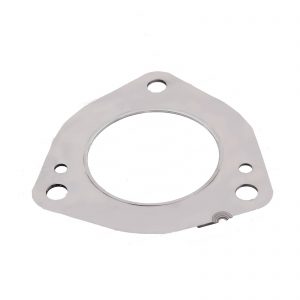
New Isuzu Particulate Filter DPF Gasket 8-98077194-0 8980771940 – High Quality

High-Quality DPF Gasket for Detroit Engine – Particulate Filter A6804910180 6804910180