Choosing the right outdoor training gear can be the difference between an exhilarating workout and a miserable experience. Weather conditions can change in an instant, and being prepared is essential to stay comfortable and focused. Layering is a key strategy that allows you to adapt to fluctuating temperatures while maintaining optimal performance.
Assessing the Climate
Start by assessing the climate you’ll be training in. For chilly mornings or brisk evenings, a moisture-wicking base layer is crucial. This layer should hug your skin, drawing sweat away to keep you dry. Look for materials like merino wool or synthetic fibers that provide warmth without bulk. Brands like Patagonia and Under Armour offer excellent options that combine comfort with functionality, ensuring you stay dry and warm during your workout.
Choosing Your Mid-Layer
Next, consider your mid-layer. This is where insulation comes into play. Fleece jackets or lightweight down vests can provide that extra warmth without hindering your movement. Opt for a mid-layer that is breathable yet warm, such as a softshell jacket that allows for flexibility while keeping the cold at bay. The versatility of these layers makes them ideal for various outdoor activities, from running to hiking.
The Importance of an Outer Layer
The outer layer is your shield against the elements. A waterproof and windproof jacket is essential for unpredictable weather. Look for features like:
- Adjustable hoods
- Ventilation zippers
- Reflective elements for safety during low-light conditions
Brands like The North Face and Columbia offer jackets that combine durability with style, keeping you protected while looking good. Investing in a high-quality outer layer can significantly enhance your outdoor experience, allowing you to push through adverse conditions.
Don’t Forget Your Lower Half
Layering doesn’t stop at your torso. Don’t forget about your lower half! Choose moisture-wicking leggings or shorts that provide comfort and flexibility. If it’s particularly cold, thermal leggings can keep your legs warm without sacrificing mobility. Accessories like gloves, beanies, and neck gaiters can also make a significant difference, ensuring that every part of your body is prepared for the elements.
Choosing the Right Footwear
Finally, think about your footwear. Shoes designed for outdoor training should offer traction, support, and weather resistance. Whether you’re running on trails or hitting the gym, the right shoes can enhance your performance and prevent injuries. Brands like Salomon and Merrell are known for their durable and comfortable outdoor footwear that can withstand various conditions.
Conclusion
Choosing outdoor training gear tailored to the weather and employing a smart layering strategy empowers you to face any challenge nature throws your way. Don’t let unpredictable weather dictate your fitness journey; invest in quality gear that adapts to your needs. With the right equipment, you can embrace the great outdoors, conquer your workouts, and enjoy every moment spent in nature’s playground.
Related products
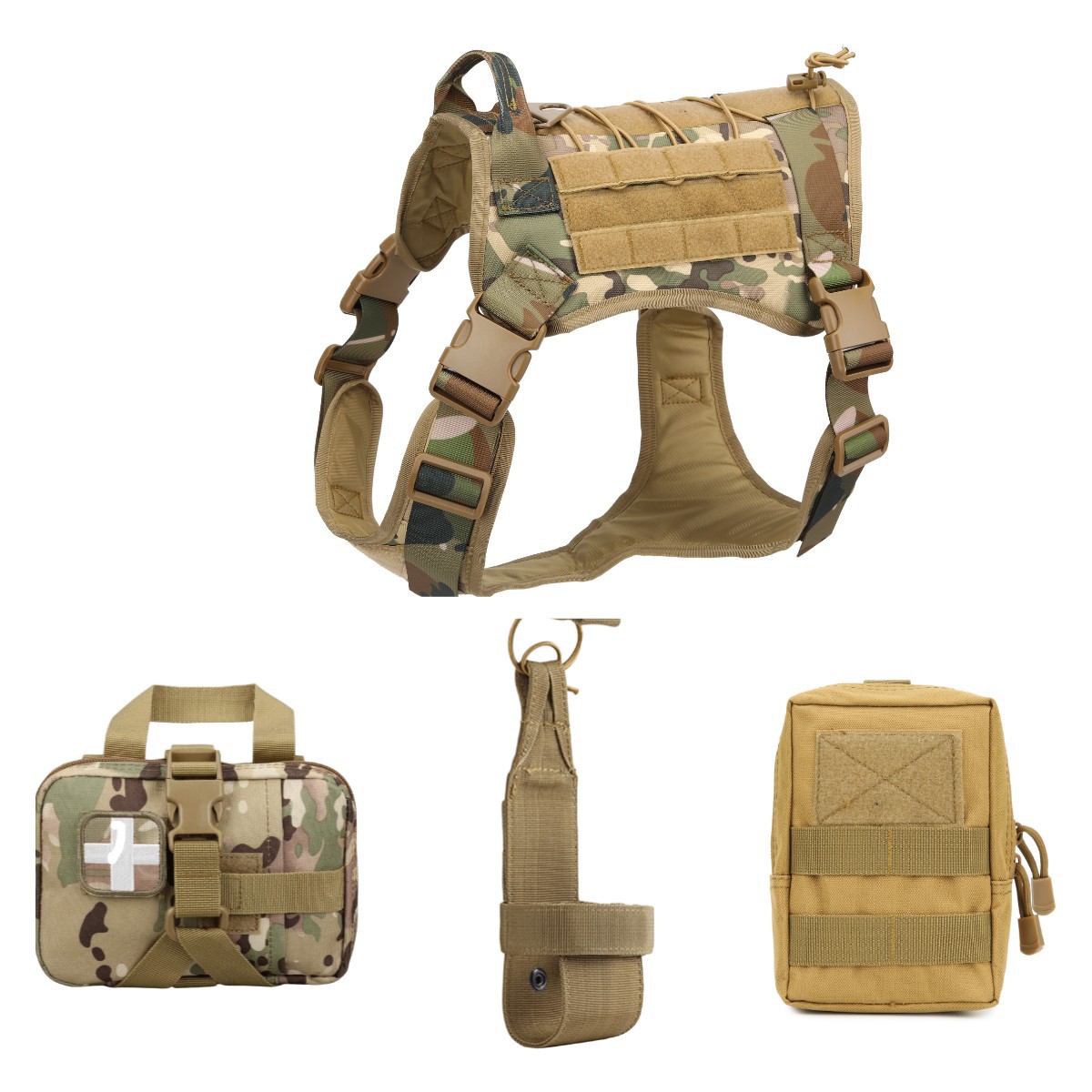
Large Camouflage Tactical Dog Vest for Outdoor Training – Durable Pet Apparel

Pets Dog Ultrasonic Anti-Barking Device – Effective Collar Repeller for Outdoor Training and No Bark Control Supplies
Portable Outdoor Training Hemostatic Bandage – Simple and Effective Solution