Selecting the right spinnerbait can be the difference between a successful fishing trip and a day of frustration. Understanding the intricacies of blade types and how they interact with water clarity is essential for any angler looking to maximize their catch. Let’s dive into the world of spinnerbaits and unravel the secrets to choosing the perfect one for your fishing conditions.
Understanding Blade Types
Spinnerbaits come equipped with various blade types, each designed to create unique vibrations and visual appeals in the water. The two most common blade shapes are Colorado and Willow blades.
Colorado Blades
Colorado blades are wider and produce a thumping vibration, making them ideal for murky waters where visibility is low. Their ability to displace more water draws fish in from a distance, making them a go-to choice when the water is stained or muddy.
Willow Blades
In contrast, Willow blades are slender and create less drag, allowing for faster retrieves and a more subtle presentation. They excel in clear water conditions, where fish can easily spot the lure. The sleek design produces a tight wobble that mimics the movement of baitfish, enticing even the most finicky of predators. If you’re fishing in pristine lakes or rivers, opting for a spinnerbait with Willow blades could significantly increase your chances of landing that trophy catch.
Water Clarity and Blade Selection
Water clarity plays a crucial role in determining which blade type to use. In clear water, fish are more likely to be spooked by overly aggressive presentations. Here, a spinnerbait with a Willow blade paired with a natural color scheme can work wonders. Consider the following color options:
- Shad
- Bluegill
- Other local baitfish colors
These colors blend seamlessly with the environment. On the other hand, when faced with stained or muddy waters, don’t shy away from using a spinnerbait with a Colorado blade in brighter colors like chartreuse or white. These colors stand out and help fish locate your lure amidst the murky surroundings.
Blade Size Considerations
Additionally, consider the size of the blades:
- Larger blades produce more vibration and are better suited for attracting fish in darker waters.
- Smaller blades may be more effective in areas with a lot of structure, allowing for a more controlled presentation while still enticing fish with its action.
Time of Day and Weather Conditions
Don’t forget about the importance of time of day and weather conditions:
- Bright, sunny days often call for spinnerbaits with reflective finishes that catch the sunlight.
- Overcast conditions might benefit from darker hues that provide contrast against the cloudy backdrop.
- Early morning and late evening are prime times for fishing, so be sure to adjust your spinnerbait choice accordingly.
Conclusion
Ultimately, choosing the right spinnerbait involves a combination of understanding blade types, water clarity, and the specific conditions of your fishing environment. By experimenting with various combinations, you can discover what works best for you. Remember, the right spinnerbait isn’t just about catching fish; it’s about enhancing your fishing experience and connecting with nature. So gear up, select your spinnerbait wisely, and prepare for an unforgettable adventure on the water. Happy fishing!
Related products
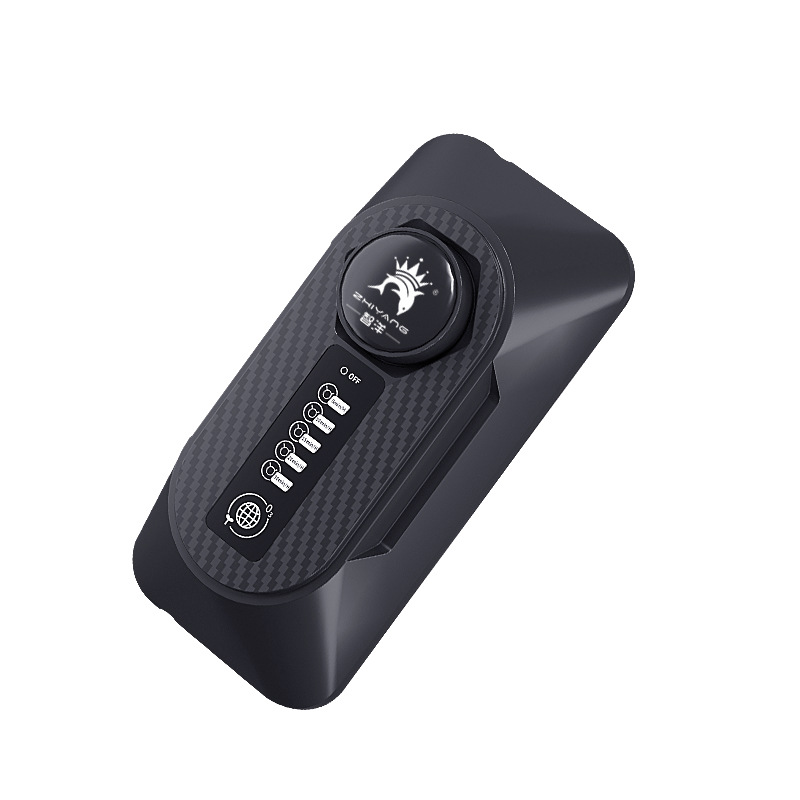
Ozone Generator for Aquariums – Enhance Water Quality & Clarity
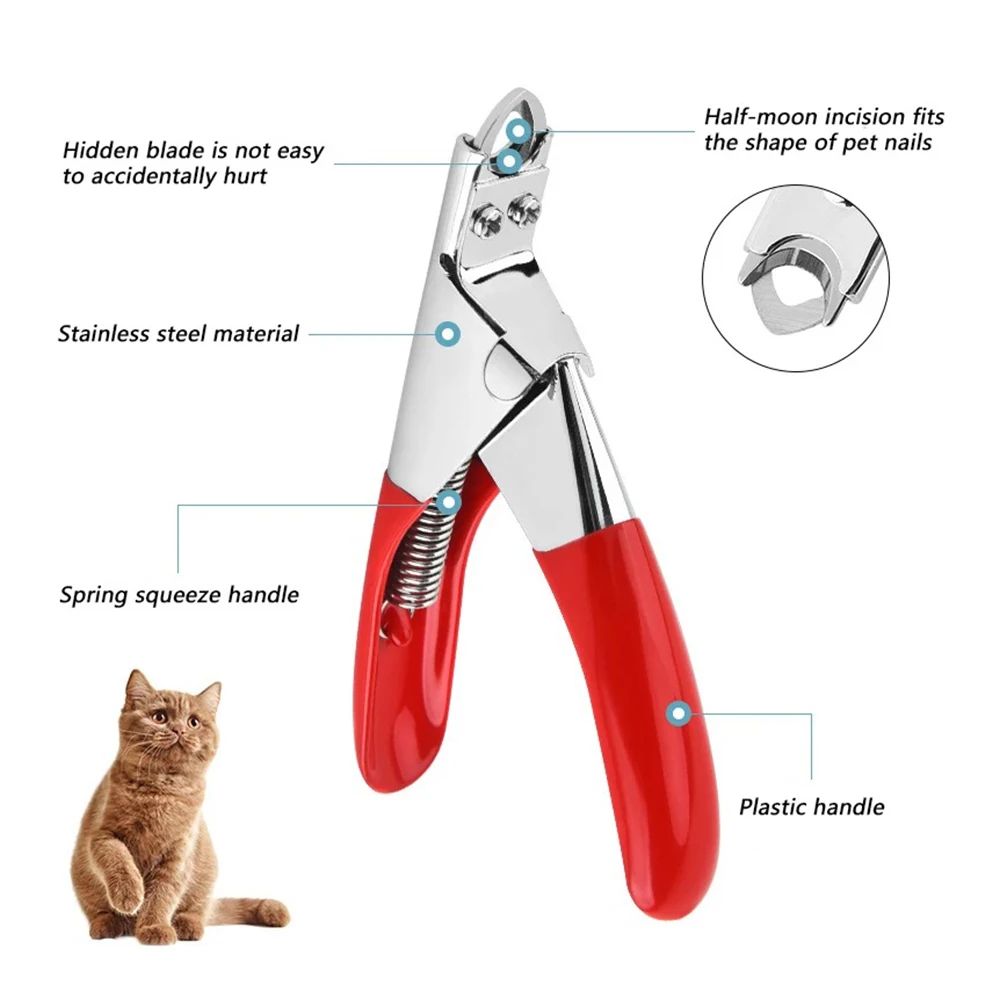
Professional Dog Nail Clippers – Type U Word False Tips, Straight Edge Cutters, and Guillotine Nail Capsule for Perfect Manicure
Ultra-Bright Multi-Function Flashlight – Essential for Outdoor Adventures & Emergencies, Portable, Durable, Available in Multiple Types