Choosing the right screw extractor can be the difference between a frustrating project and a seamless repair. Whether you’re a seasoned professional or a DIY enthusiast, having the right tools at your disposal is crucial for success. Screw extractors, designed to remove stripped or broken screws, come in various sizes and styles, each tailored for specific use cases. Understanding these differences will empower you to make an informed choice.
Consider the Size of the Screw Extractor
First, consider the size of the screw extractor you need. Extractors are typically categorized by their diameter and thread size, which correspond to the size of the damaged screw. For smaller screws, such as those found in electronics or delicate machinery, you’ll want to opt for a smaller extractor, usually labeled from #0 to #6. These are perfect for precision work where space is limited. On the other hand, larger screws, commonly found in construction or automotive applications, will require larger extractors, often ranging from #8 to #24 or beyond. Selecting the appropriate size ensures a snug fit and reduces the risk of further damaging the surrounding material.
Type of Screw
Next, think about the type of screw you’re dealing with. Some screw extractors are designed for specific screw types, such as Phillips or flat-head screws. For instance:
- Spiral extractors have a tapered design that allows them to grip the screw as you turn, making them ideal for screws that are deeply embedded or rusted.
- Straight extractors work best when there’s enough screw shaft exposed for gripping.
Knowing the type of screw will help you choose a compatible extractor that maximizes efficiency.
Material Matters
Material matters, too. High-speed steel (HSS) extractors are a popular choice due to their durability and ability to withstand the stress of extraction without breaking. For tougher jobs involving hardened screws, cobalt extractors offer enhanced strength and longevity. Investing in high-quality materials will save you time and frustration down the line, as these extractors will perform better and last longer, even under heavy use.
Extraction Method
Moreover, consider the extraction method. Some extractors require pre-drilling a hole into the damaged screw, while others can be used directly without any additional steps. If you’re working in a time-sensitive situation, look for extractors designed for quick and easy use. Certain brands offer kits that include various sizes and types, providing versatility for any job.
User Reviews and Brand Reputation
Finally, always prioritize user reviews and brand reputation. A well-reviewed screw extractor set can provide insights into its effectiveness and durability. Companies that specialize in tools often offer warranties or guarantees, which can give you peace of mind with your purchase.
Conclusion
In summary, selecting the right screw extractor is essential for efficient repairs. By considering the size, type of screw, material, extraction method, and brand reputation, you can choose a tool that not only meets your needs but also enhances your overall project experience. Don’t let a stripped screw derail your efforts—equip yourself with the right extractor and tackle any challenge with confidence!
Related products
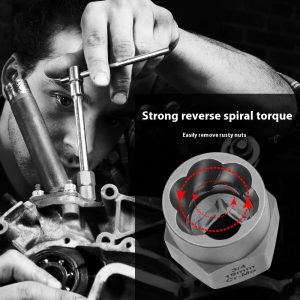
Reverse Tooth Sleeve Rust Damage Screw Extractor – Effortlessly Remove Stuck Screws
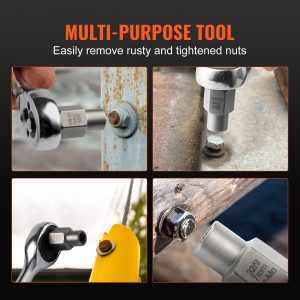
VEVOR 29-Piece Bolt Extractor and Nut Remover Set, 6mm to 10mm, 13/32″ to 3/4″, Durable CR-MO Steel Socket Set with Storage Case for Effortlessly Removing Damaged Rusted Bolts, Nuts, and Screws
21PCS 3/4″ DRIVE SOCKET SET, 6-POINT SAE Sizes in Red Blow Mold Case