Choosing the right sandpaper can make or break your woodworking project. The difference between a flawless finish and a rough surface often comes down to the type of sandpaper you select. Two popular options, aluminum oxide and garnet, each bring unique benefits that can enhance your woodworking experience. Let’s delve into these materials to help you make an informed choice.
Aluminum Oxide Sandpaper
Aluminum oxide sandpaper is a powerhouse in the woodworking world. Known for its durability, this synthetic abrasive can withstand the rigors of heavy sanding without breaking down quickly. If you’re tackling a large project, like refinishing a table or smoothing out rough beams, aluminum oxide is your go-to option. Its longevity means fewer changes during the job, allowing you to focus on achieving that perfect surface without interruptions. Additionally, this sandpaper is excellent for both wood and metal, making it a versatile tool in your workshop.
Garnet Sandpaper
On the other hand, garnet sandpaper offers a more traditional approach. Made from natural minerals, garnet is favored by many woodworkers for its ability to produce a fine finish. It’s particularly effective for achieving a smooth surface on softer woods, like pine or cedar. If your project involves detailed work, such as cabinetry or intricate carvings, garnet sandpaper can help you achieve the precision and finesse you desire. While it may wear out faster than aluminum oxide, its natural grit allows for a more refined touch, making it ideal for final sanding.
Choosing the Right Sandpaper
When it comes to choosing between these two options, consider the nature of your project:
- Robust and long-lasting: If you need an abrasive that can handle extensive sanding, aluminum oxide is your best bet.
- Polished finish: If you’re seeking that perfect, polished finish on a delicate piece, garnet sandpaper will serve you well.
Grit Size Considerations
Furthermore, the grit size is another crucial factor to consider. Both aluminum oxide and garnet sandpapers come in various grits, from coarse to fine:
- For initial sanding, a lower grit (like 60 or 80) is ideal for removing material quickly.
- As you refine your project, transitioning to higher grits (like 220 or 320) will help you achieve a smooth, professional finish.
Conclusion
In conclusion, the choice between aluminum oxide and garnet sandpaper ultimately depends on your specific needs. Embrace the strength and versatility of aluminum oxide for demanding projects, or opt for the natural finesse of garnet for fine detailing. Equip yourself with the right sandpaper, and watch as your woodworking projects transform from ordinary to extraordinary. Your tools can make all the difference, so choose wisely and let your craftsmanship shine.
Related products
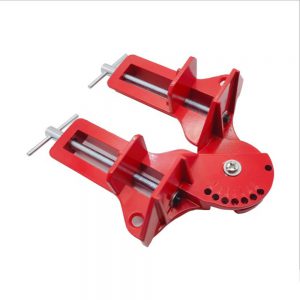
Right-Angle Clamp for Woodworking – Durable Aluminum Alloy 90 Degrees Fix
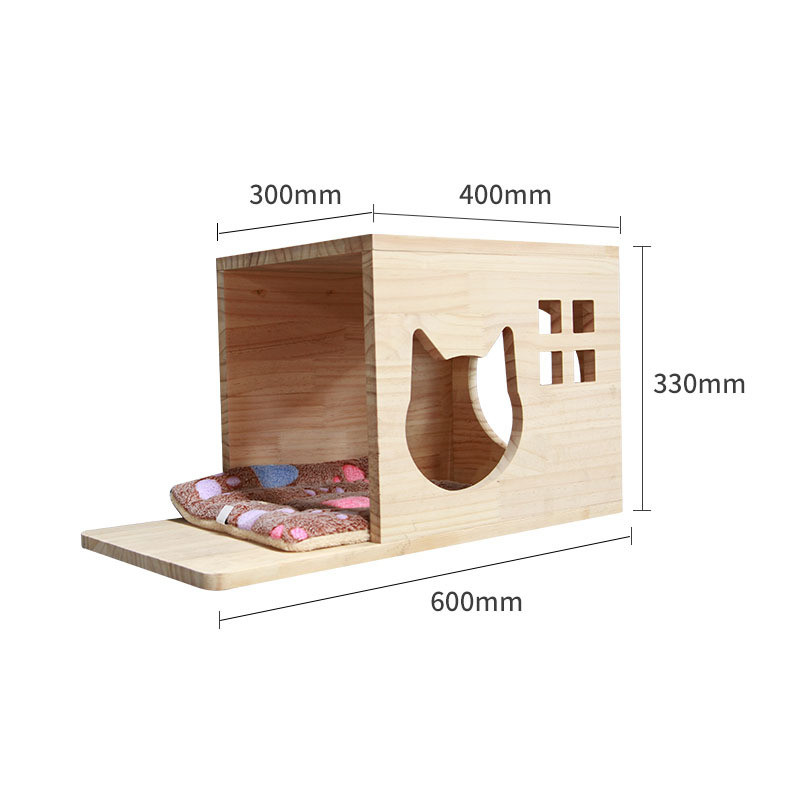
Wall-Mounted Cat Climbing Frame – Solid Wood Platform Ladder for Pets Accessories

Cat Suspension Bridge Rope Ladder – Durable Hemp Rope Soft Ladder & Wooden Bridge for Wall Climbing | Solid Wood Cat Furniture with Accessories