Choosing smart lights can transform your home into a haven of convenience and efficiency, but navigating the myriad options available may feel overwhelming. Understanding the different bulb types and hub requirements is essential to making an informed decision that enhances your living space.
Types of Smart Bulbs
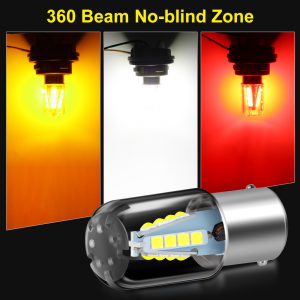
Start by considering the types of smart bulbs on the market. LED smart bulbs are the most popular choice, offering energy efficiency and a long lifespan. They come in various shapes and sizes, making them versatile for any fixture. If you’re looking for colorful lighting options, RGB smart bulbs provide a spectrum of hues that can be easily controlled via an app or voice command. For those who want to mimic natural light, tunable white bulbs adjust their color temperature throughout the day, promoting better sleep and productivity.
Hub Requirements
Next, evaluate the hub requirements for your smart lighting system. Some smart bulbs connect directly to your Wi-Fi network, allowing for straightforward setup without any additional hardware. However, these may have limitations in terms of range and features. On the other hand, smart bulbs that require a hub, such as Philips Hue or Lutron Caseta, often offer enhanced connectivity and integration with other smart home devices. A hub can serve as the central command center for your smart ecosystem, facilitating seamless communication between devices and providing advanced features like automation and remote access.
Choosing the Right Hub
When selecting a hub, consider compatibility with your existing smart home devices:
- Some hubs work exclusively with certain brands or ecosystems.
- Others support a broader range of products.
Investing in a versatile hub ensures that you can expand your smart home system in the future without the hassle of replacing equipment.
User Interface and Control Options
Additionally, think about the user interface and control options. Many smart lighting systems offer intuitive apps that allow you to:
- Set schedules
- Adjust brightness
- Change colors from anywhere
Voice control compatibility with assistants like Amazon Alexa or Google Assistant adds a layer of convenience, allowing you to command your lights with simple voice prompts.
Installation and Setup
Don’t overlook the importance of installation and setup. Most smart bulbs are designed for easy DIY installation, but some systems may require more intricate setup processes. Check for clear instructions and available customer support to ensure a smooth experience.
Conclusion
Ultimately, the right smart lighting solution can enhance your home’s ambiance, improve energy efficiency, and provide unparalleled convenience. By understanding the various bulb types and hub requirements, you can make a choice that not only meets your immediate needs but also adapts to your evolving lifestyle. Illuminate your home with the perfect smart lighting solution, and watch as it transforms your space into a modern masterpiece.
Related products
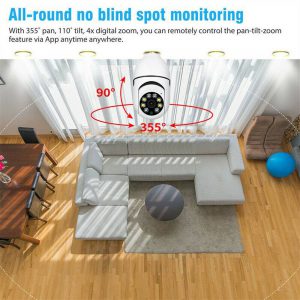
IR E27 Light Bulb Camera – 1080P HD Wireless WiFi Smart Home Security Solution

Universal Body Stone Scraping Plate – Smart Facial Beauty Device for All Skin Types

Smart Helmet with Dual Control: Front & Rear Car Lights, Voice Button, Navigation & Music Features