
Selecting the right sharpening stone can transform your tools from dull and ineffective to razor-sharp and ready for action. Understanding grit progression is essential for achieving that perfect edge, whether you’re a culinary enthusiast, a woodworking aficionado, or a dedicated craftsman.
Understanding Grit Levels
Grit levels indicate the coarseness of the stone, determining how much material it will remove from the blade. A lower grit number, such as 200 or 400, is suitable for repairing nicks and setting a new edge. These stones are aggressive, removing metal quickly but leaving a rough surface. If you’re looking to restore a heavily used knife or tool, starting with a coarse stone is your best bet.
Refining the Edge
Once the edge is set, it’s time to refine it. Moving to a medium grit, typically around 800 to 1000, allows for a smoother finish. This stage is crucial for sharpening without removing too much material, creating a balanced edge that’s ready for the final polish. It’s like going from rough sketches to a fine painting; every stroke counts towards perfection.
Final Touches
For the final touches, fine grit stones, ranging from 3000 to 8000, bring your blade to a mirror finish. These high-grit stones polish the edge, enhancing sharpness and prolonging the life of your tool. They are essential for professionals who require precision and performance, ensuring that every cut is clean and effortless.
Choosing the Right Progression
Choosing the right progression depends on the condition of your tools and the results you desire. Consider the following tips:
- Assess the Condition: Inspect your tools to determine if they require a coarse, medium, or fine grit. A well-maintained knife may only need a fine stone, while a neglected one might require a coarse start.
- Material Matters: Different materials respond differently to sharpening. For example, harder steels often require finer stones to achieve a sharp edge. Ensure your chosen stones are compatible with the materials you work with.
- Technique Counts: Mastering the art of sharpening involves not just the right stones but also the right technique. Invest time in learning the proper angles and strokes, as these will significantly affect the outcome.
- Quality Over Quantity: When it comes to sharpening stones, high-quality products outperform cheaper alternatives. Look for reputable brands that offer durable stones, ensuring your investment pays off in the long run.
Conclusion
In conclusion, choosing the right sharpening stones and understanding grit progression is key to maintaining your tools’ performance. Elevate your sharpening game by selecting stones that meet your needs, and watch as your tools transform into precision instruments that enhance your crafting experience. Don’t settle for dull; invest in your craft and enjoy the satisfaction of a perfectly sharpened edge.
Related products
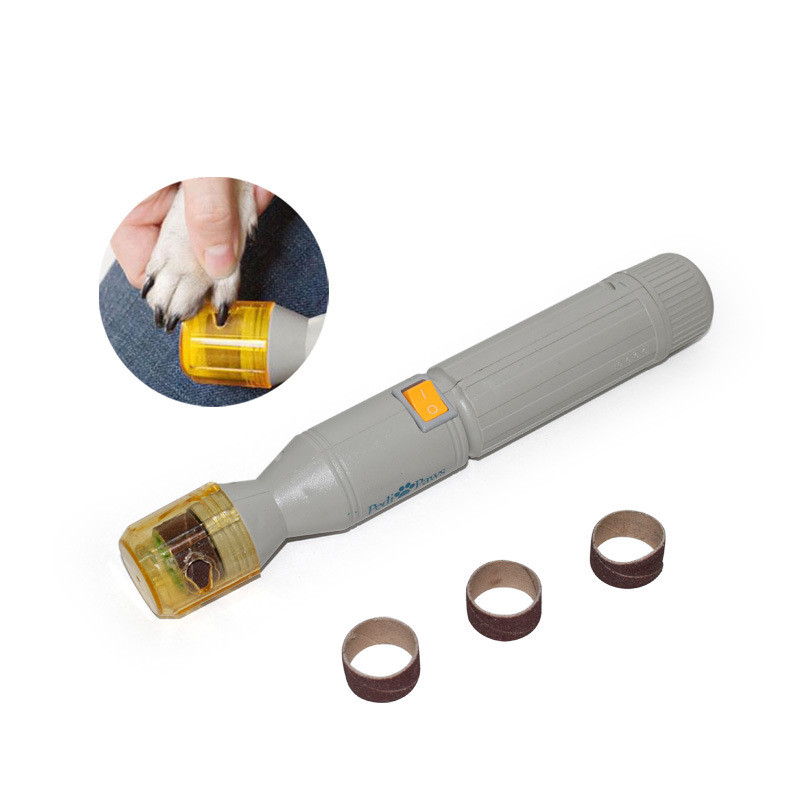
Cat and Dog Toenail Sharpening and Cleaning Supplies for Pet Grooming
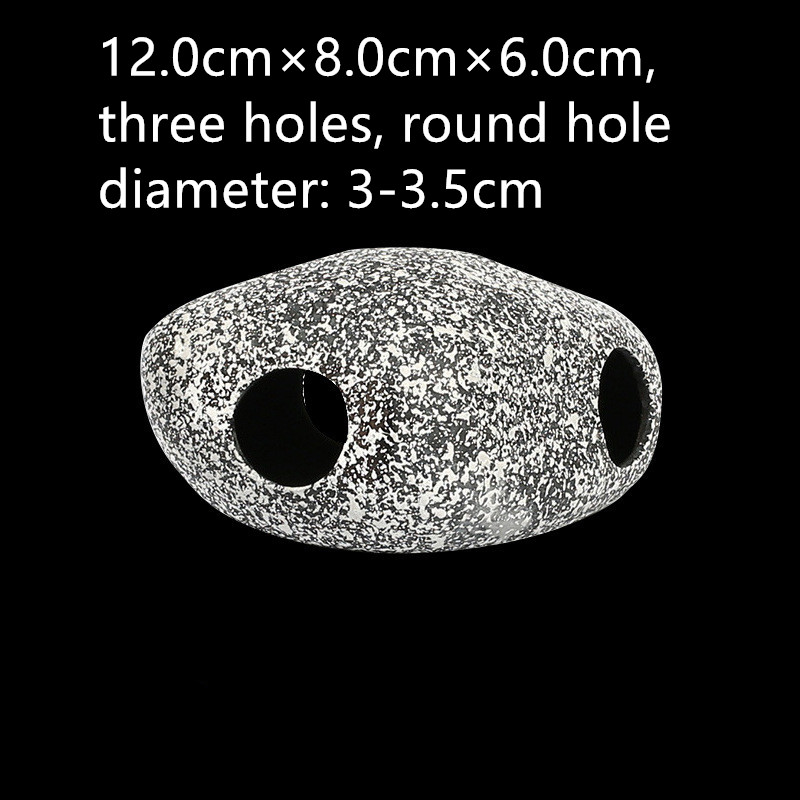
Aquarium Decorative Stones for Ponds & Ceramic Shrimp Farms – Enhance Your Aquatic Habitat
Wholesale Amazon Cross-border Seven Chakra Natural Crystal Rough Stone Ornament | Colorful Healing Stones for Yoga and Meditation Energy